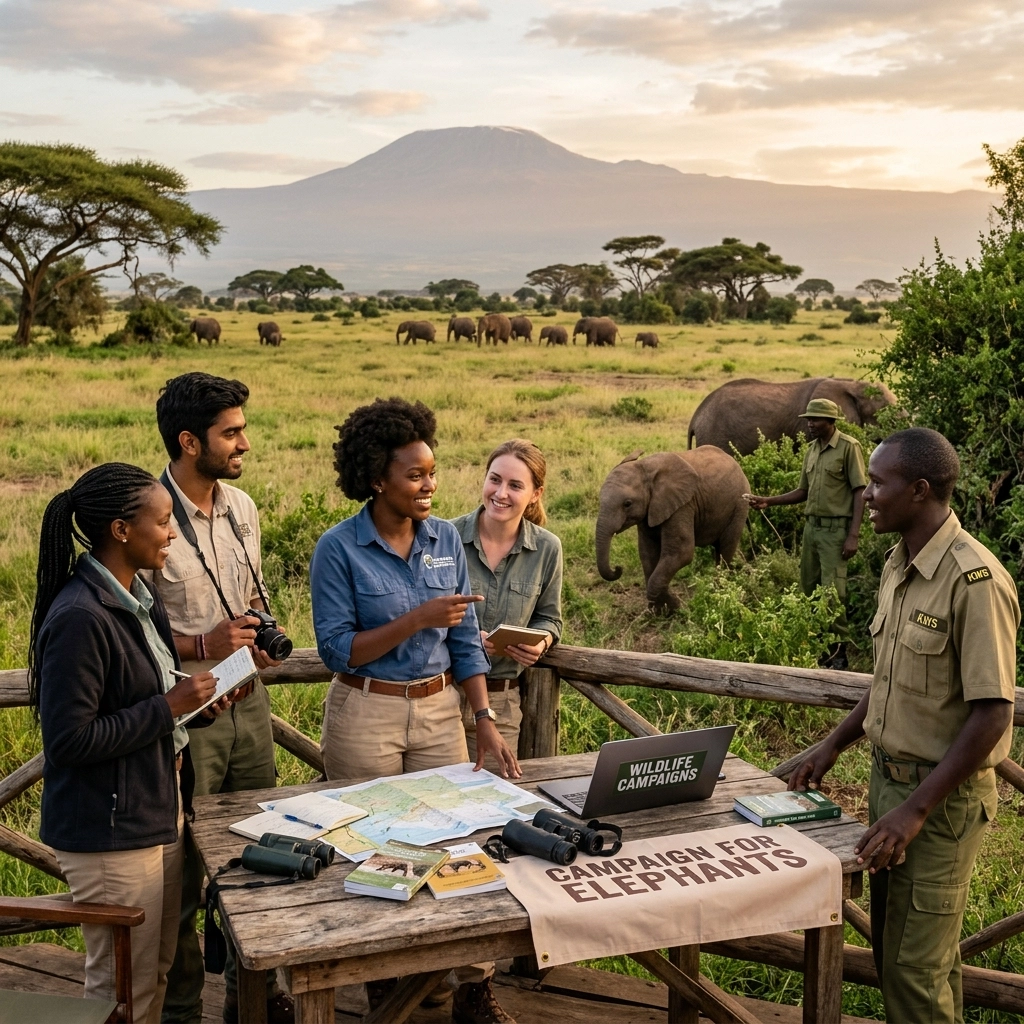
The Ultimate Guide to Ethical Wildlife Campaigns: Everything You Need to Succeed
Friday, 24 of April 2026.
Marketing for zoos and aquariums has changed. People don't just want to see animals. They want to know the animals are thriving. They want to see the work behind the scenes.
Ethical wildlife campaigns aren't about buzzwords. They are about trust. If your audience suspects exploitation, they walk away. If they see genuine care, they stay.
Here is how you build a campaign that works.
The Shift: From Entertainment to Education
Wildlife tourism used to be about the "wow" factor. Shows. Tricks. Close-ups.
That era is over.
Today, the goal is impact.
3 out of 4 wildlife tourist attractions involve some form of animal cruelty. This is a startling number. Your job is to prove you are the 1 in 4.
The core principles:
- Distance over proximity. Natural behavior is better than a forced pose.
- Habitat over stage. Show the environment, not just the animal.
- Conservation over profit. The story must lead back to the species' survival.

The Visual Standard: What Ethical Imagery Looks Like
Your photos tell the story before the copy does. If a photo looks staged, your campaign is already failing.
At Zoo Imagery, we prioritize the "Natural Look." It’s a standard for ethical media.
Avoid these visual red flags:
- Human contact. No hands in the frame. No feeding. No petting.
- Restraints. Crop out chains or obvious cages if they aren't part of a medical story.
- Distress signs. Pacing, swaying, or "unnatural" eye contact with the camera.
- Glass reflections. Keep the viewer in the animal’s world, not the visitor’s walkway.
Embrace these visual wins:
- Enrichment. Animals playing with puzzles or exploring new scents.
- Social interaction. Interactions between animals, not between animals and humans.
- Candid moments. Sleeping, foraging, or resting in the shade.
Building Your Campaign Strategy
An ethical campaign follows a simple path. It moves from awareness to action.
1. The Species Spotlight
Focus on one animal. Give it a name if appropriate for your facility’s mission. Share its history.
- Where did it come from?
- What is its role in the ecosystem?
- What is the specific threat to its wild cousins?
2. The Transparent Process
Show the vet checks. Show the food prep.
People trust what they can see. If you are hiding the "boring" parts of animal care, you are hiding the most ethical parts of your business.
3. The Community Connection
Highlight the people behind the glass. The keepers. The researchers. The volunteers.
Ethical campaigns are human-centric. They show the dedication required to keep a species alive.

Identifying Red Flags in Your Own Marketing
Sometimes, we use "standard" marketing tactics that are actually harmful to the brand.
Red Flag: The Guaranteed Sighting.
If you promise a "perfect view" or an "up-close encounter," you are prioritizing the guest over the animal. Animals need the choice to hide. Marketing should reflect that choice.
Red Flag: The Selfie Culture.
Encouraging guests to take "wildlife selfies" leads to harassment of animals. Your campaign should model the behavior you want to see.
Red Flag: Vague Sanctuaries.
The word "sanctuary" is often misused. If your facility breeds or trades animals for commercial gain, don't use the word. Be honest about being a zoo or aquarium. Transparency is the highest form of ethics.
How to Research and Verify Partners
If you are partnering with influencers or other organizations, do your homework.
- Check the 1-star reviews. Look for mentions of animal abuse or neglect.
- Look for expert staff. Do they employ biologists? Conservationists?
- Ask about the "Five Freedoms." If they can't explain them, don't partner with them.
The Five Freedoms Checklist:
- Freedom from hunger and thirst.
- Freedom from discomfort.
- Freedom from pain, injury, or disease.
- Freedom to express normal behavior.
- Freedom from fear and distress.
Your marketing should prove these freedoms exist at your facility.

Marketing Insights for Zoos and Aquariums
Data shows that younger audiences: Gen Z and Millennials: are the most skeptical of wildlife attractions. They are also the most loyal once trust is earned.
Engagement Tips:
- Short-form video. Show 15 seconds of a turtle eating lettuce. No music. No filters. Just the animal.
- Behind-the-scenes lives. Let a keeper take over the Instagram account for a day.
- Plain language. Avoid jargon. Don't say "ex-situ conservation." Say "we are breeding these frogs here so they don't go extinct in the wild."
The "Presented By" Strategy
One of the most effective ways to fund conservation without sounding "salesy" is the sponsored animal page.
A local business sponsors a page on your site or a specific species in your gallery.
The focus remains on the animal. The brand gets the "halo effect" of being associated with ethical care.
This is a win for the zoo, a win for the partner, and a win for the species.

Making the Promise
When you launch an ethical campaign, you are making a promise to your audience.
You are promising that their ticket money goes to a good place.
You are promising that the animals are the priority.
Keep your promises understated. Don't claim to "save the world."
Claim to "provide 40 pounds of sustainable fish to the penguins today."
Small, realistic claims build massive, long-term trust.
Final Checklist for Your Next Campaign
- Does this image show the animal in a natural state?
- Does the copy explain why this animal is here?
- Have we removed all mentions of "shows" or "performances"?
- Is there a clear link to a conservation outcome?
- Would a biologist approve of this messaging?
Ethical marketing isn't a hurdle. It’s an opportunity.
In a world of filtered reality, people are hungry for something real.
Show them the reality of wildlife care.
Get the Right Imagery
The biggest obstacle to an ethical campaign is a lack of high-quality, ethical media.
You can’t tell a story if you don't have the photos to back it up.
We specialize in stock photography that follows these rules. No glass. No bars. Just the animal.
Visit zooimagery.com to see our latest collections.
Focus on the story. We’ll handle the lens.
For more insights on wildlife trends and marketing strategies, follow us on LinkedIn.
Dan Kost
CEO, Zoo Imagery
Zoo Imagery provides professional digital media solutions for the zoo and aquarium industry. We focus on simple, high-impact storytelling that puts animal welfare first.


