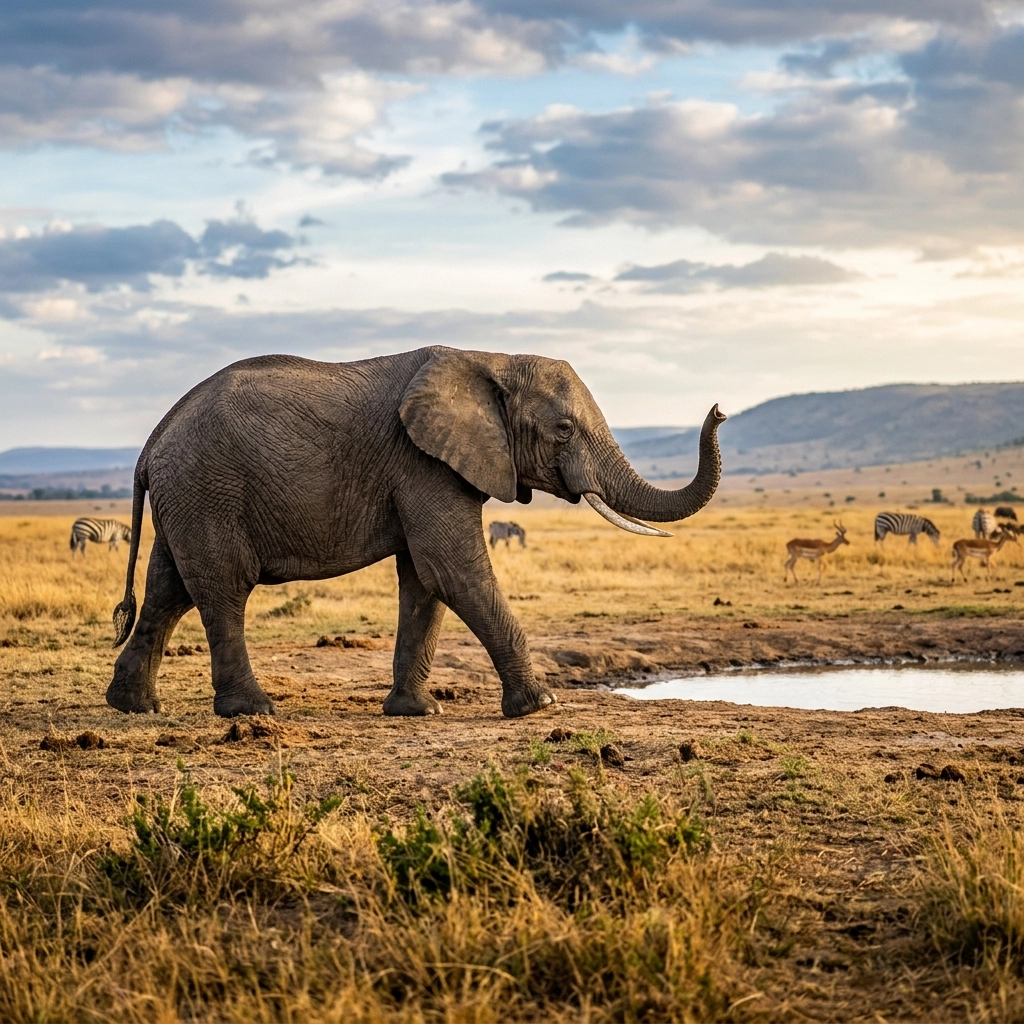
10 Reasons Your Wildlife Marketing Isn’t Working (And How Animal Stock Photos Can Help)
Wildlife marketing should be easy. Animals are naturally engaging. They are beautiful, powerful, and relatable. Yet, most campaigns fall flat.
At Zoo Imagery, we see it every day. Good intentions. Bad execution.

Marketing fails when the visual doesn't match the message. It fails when the audience feels disconnected.
Here are ten reasons your wildlife marketing isn't working and how the right imagery fixes it.
1. The "Sad Animal" Trap
Many organizations use sad photos. They want to trigger empathy. Usually, they trigger "scrolling past."
People make snap judgments. A scared or stressed animal makes a viewer feel uncomfortable. They look away to avoid the guilt.
The Fix: Use vibrant, high-energy stock photos. Showcase animals in their prime. Show their strength and personality. High-quality animal stock photography allows you to lead with inspiration rather than pity.
2. Grainy, Amateur Visuals
Quality matters. A pixelated photo tells your audience you don't care about the details. It looks amateur.
In wildlife marketing, clarity is everything. People want to see the texture of the fur and the light in the eyes.
The Fix: Professional stock libraries provide high-resolution assets. No pixels. No blur. Just crisp, clear media that builds trust immediately.

3. Too Much Text, Not Enough Image
Your audience skims. They don't read long paragraphs about conservation stats or organizational history. If they see a wall of text, they leave.
If the image doesn't tell the story, the text won't either.
The Fix: Let the photo do the heavy lifting. Use animal stock photos to set the scene. Keep the copy short. Use bullet points. Focus on the "Who" (the animal) before the "How" (the organization).
4. Missing Personality
An animal isn't just a specimen. It’s an individual.
Most marketing uses generic shots. A lion standing. A bird on a branch. There is no soul in the shot.
The Fix: Look for stock photos that capture specific behaviors. A yawn. A playful pounce. A curious stare. At Zoo Imagery, we focus on photography that highlights these unique traits. This creates an emotional link between the viewer and the species.
5. Over-branding Your Message
Is your logo bigger than the animal? That is a mistake.
When the organization's identity dominates the frame, the wildlife becomes a prop. The audience feels marketed to, not connected to.
The Fix: Use "Presented by" animal pages. This subtle approach puts the animal center stage. Your brand takes a supporting role. It feels more like a partnership and less like a sales pitch.
6. Stale Content Cycles
You use the same five photos for every post. Your audience notices.
Engagement drops when the feed becomes predictable. If you haven't updated your visuals in six months, your marketing is invisible.
The Fix: A stock library offers thousands of options. You can rotate images frequently. New angles. New species. Constant freshness without the cost of a custom photo shoot every week.

7. Disconnected ESG Goals
Companies want to show they care about the planet. They talk about Environmental, Social, and Governance (ESG) goals.
But talk is cheap. Without visual proof, it feels like "greenwashing."
The Fix: Use sponsored species spotlights. Link your corporate identity to a specific animal. It’s a visual commitment. It shows your audience exactly what you are protecting. It makes the abstract concept of "conservation" tangible.
8. Lack of Diversity in Species
Everyone uses elephants, tigers, and pandas. They are the "stars."
But the world is bigger than the big five. Focusing only on the famous animals makes your brand look like everyone else.
The Fix: Explore the niche. Highlight the "underdogs." Use stock photos of lesser-known species. It shows expertise. it shows you care about the entire ecosystem, not just the popular ones.

9. Poor Storytelling Structure
A photo without a story is just a file. A story without a photo is just a rumor.
Most wildlife marketing lacks a narrative arc. It’s just a random animal with a "save the planet" button.
The Fix: Use series-based imagery. Tell a story over three posts. Use stock photos to show different stages of an animal's life or different aspects of its habitat. Build a sequence that keeps people coming back.
10. No Clear Path to Action
You showed them a beautiful animal. Now what?
Many campaigns forget the Call to Action (CTA). Or, the CTA is too complicated.
The Fix: Keep it simple. Use stock photos to create "Adoption" or "Sponsorship" cards. Make the button the easiest thing to see. Direct them to a dedicated page for that specific animal.
The Zoo Imagery Approach
We don't just sell photos. We provide a bridge between brands and the natural world.
Wildlife marketing is about connection. It's about showing the beauty of a species and inviting someone to be a part of its survival.
"Presented by" Pages
We offer dedicated digital spaces for specific animals. These pages are high-impact. They are clean. They feature our best professional stock photography. Your brand "presents" the animal. It’s a clean, simple way to align with conservation.
Sponsored Species Spotlights
Want to own a category? Sponsor a species. Every time that animal is featured, your brand is there. It’s subtle, effective marketing that builds long-term authority.

ESG-Aligned Campaigns
We help businesses meet their environmental goals through visual storytelling. No jargon. No buzzwords. Just real animals, real photos, and real impact.
Why Quality Stock Matters
You might think you can just use a phone camera. You can't.
Not for high-level marketing.
Professional stock photography provides:
- Lighting: Golden hour shots that evoke emotion.
- Composition: Images designed for web banners and social crops.
- Legality: Fully licensed assets. No copyright headaches.
- Variety: Access to species you can't find in your backyard.
Keep It Simple
Marketing doesn't need to be complex.
- Pick a great photo.
- Write a short, honest caption.
- Give the viewer a way to help.
That is the Zoo Imagery formula.

Stop Over-Explaining
Your audience knows animals are important. You don't need to justify why a lion is majestic. You just need to show them the lion.
Let the image speak.
If your current marketing feels cluttered, strip it back. Remove the extra logos. Shorten the paragraphs. Upgrade the photo.
Results You Can See
When you switch to high-quality animal stock photos, the data follows.
- Higher click-through rates.
- Longer time on page.
- Better brand sentiment.
People stay for what they see, not for what they read.
Join the Conversation
Wildlife marketing is changing. It's becoming more visual, more direct, and more impactful.
Don't let your message get lost in a sea of bad photography and long-winded text.
Zoo Imagery is here to help you stand out.
Ready to upgrade your visuals?
Visit us at zooimagery.com to explore our library.
Connect with us on LinkedIn for daily updates and species spotlights.
Simple imagery. Big impact. That’s the goal.


