Why Everyone Is Talking About User-Generated Wildlife Content (And You Should Too)
It is Thursday, April 23, 2026.
Look at your phone. Your feed is likely full of animals.
Maybe it is a tiger stalking through a jungle. Maybe it is an elephant at a watering hole. Or maybe it is something else. A raccoon riding a crocodile. A bear playing a piano.
In 2026, the line between what is real and what is manufactured has vanished.
At Zoo Imagery, we spend our days looking at the world through a lens. We see the shift. User-generated content (UGC) is no longer just a "nice to have" for zoo marketing. It is the foundation of trust.
But there is a catch. The rise of AI-generated wildlife content is changing the game. It is making people question everything they see.
Here is why everyone is talking about it. And why your facility needs a plan.
The AI Problem
Research shows a massive spike in fake wildlife videos.
Social media algorithms love them. They are sensational. They are weird. They get millions of views. But they are dangerous.
When people see AI-generated animals behaving like humans, they lose touch with nature. They forget that wild tigers are predators, not pets. They forget that polar bears are struggling with real environmental changes, not living in a digital fantasy.
This misinformation erodes conservation efforts.
If the public believes animals are doing fine: or doing tricks: they stop feeling the urgency to help. They stop donating. They stop caring about the hard work zoos do every day.
The Power of the Real
This is where User-Generated Content comes in.
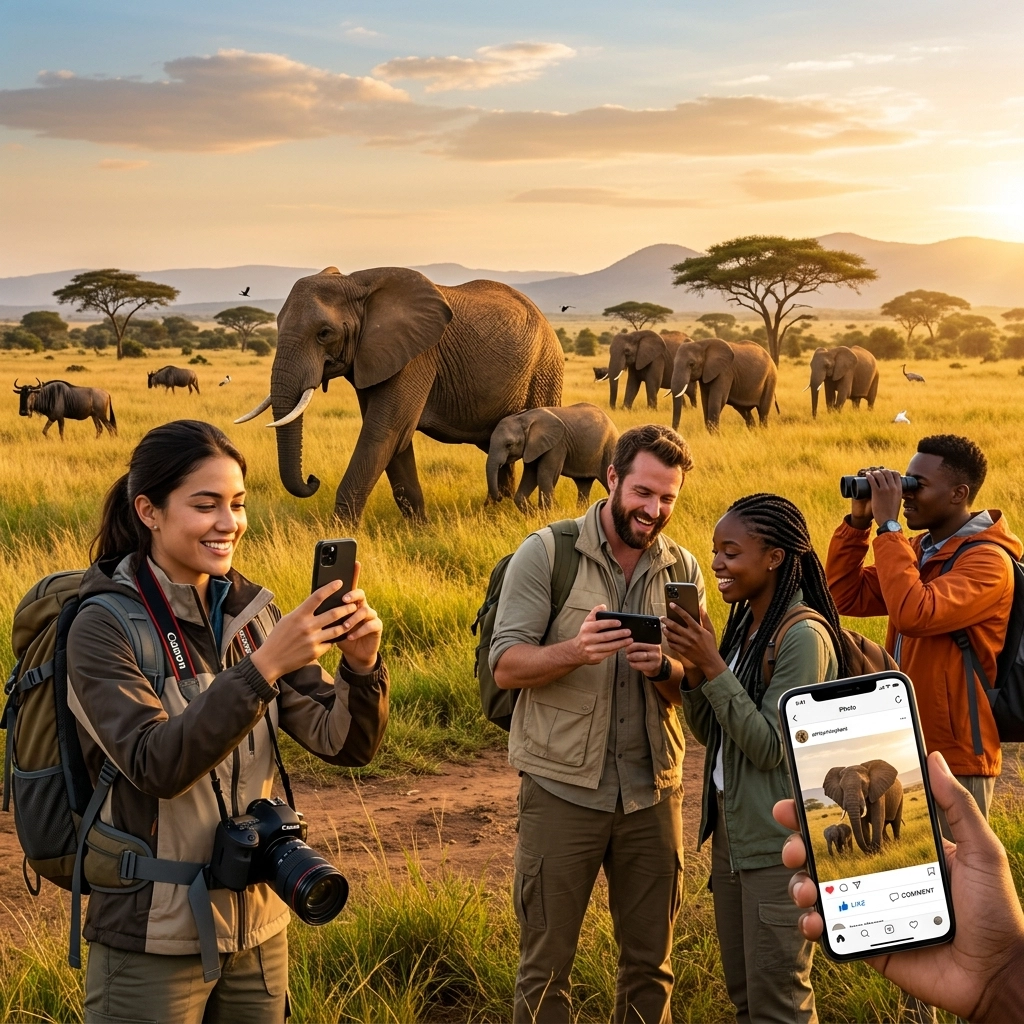
UGC is the antidote to the AI "fake" era. When a visitor posts a shaky, vertical video of a giraffe at your zoo, it carries more weight than a million-dollar CGI clip.
Why? Because it is honest.
- It is a real moment.
- It shows a real animal.
- It reflects a real experience.
Authenticity is the most valuable currency in 2026. People are tired of being fooled. They want to see the mud on the boots. They want to see the elephants actually eating. They want to see the work.

ESG Without the Buzzwords
We hear about ESG (Environmental, Social, and Governance) constantly. Usually, it is wrapped in corporate jargon that means very little to the average person.
Let’s strip that away.
For a zoo or aquarium, ESG is simply about being a good neighbor to the planet. It is about conservation storytelling that is rooted in truth.
UGC allows your visitors to tell that story for you. When a guest shares a photo of a bird rehabilitation project or a clean-up event, that is an ESG-aligned campaign in its purest form.
It isn't a press release. It is proof.
By encouraging and sharing user content, you demonstrate transparency. You show that your facility isn't just a place to look at animals: it is a place where real conservation happens.
Marketing Insights for 2026
If you are running marketing for a zoo or aquarium, your job has changed. You are no longer just a content creator. You are a curator.
Here is what we are seeing work right now:
1. Sponsored Species Spotlights
Focus on one animal for a week. Ask your visitors to share their best photos of that specific species. Whether it is hyenas or pandas, people love a challenge.
Feature the best shots on your official channels. Credit the photographer. It builds community.
2. Behind-the-Lens Transparency
Show the reality of wildlife photography. Show your staff taking photos for research. Contrast this with the fake AI images circulating online. Educate your audience on how to spot the difference.
3. Ethical Content Guidelines
Be clear about what you support. Do not share content that shows animals in distress or in domestic settings that aren't natural. Use your platform to set the standard for what "good" wildlife content looks like.

Why Quality Still Matters
You might think that if UGC is so important, you don't need professional imagery.
That is a mistake.
Professional stock photography provides the anchor. It sets the visual standard for your brand. While UGC provides the "soul" and the social proof, high-quality professional media provides the clarity.
At Zoo Imagery, we provide the files that UGC can't replace. Sharp, high-resolution, ethically sourced images.
- Educational signage needs professional photos.
- Large-scale print campaigns need professional photos.
- Annual reports need professional photos.
Think of it as a partnership. Your professional media establishes the "what." Your user-generated content establishes the "who" and the "why."
Managing the Trend
The conversation around wildlife content isn't going away. If anything, it will get louder as AI tools become more accessible.
Zoos and aquariums are the front lines of this battle for truth.
Every time you encourage a visitor to take a photo, you are asking them to participate in the real world. You are asking them to look at a living, breathing creature instead of a screen.
That is powerful.
Moving Forward
Don't be afraid of the noise. Use it.
Address the fake content head-on. Tell your followers why real imagery matters. Show them the difference between a digital hallucination and a real polar bear.
Focus on these three things:
- Honesty. No filters. No fake behaviors.
- Community. Let your visitors tell your story.
- Quality. Use professional assets to ground your brand.
The world is changing. People are searching for things that are true. Your zoo is full of true things.
Show them.
Let's Work Together
At Zoo Imagery, we help you tell the real story of wildlife. We provide the visual assets you need to stand out in a world of digital noise.
Simple imagery. Real impact.
Visit us at zooimagery.com to see our library of professional wildlife photography.
Follow us on LinkedIn for more insights on marketing and conservation in the digital age.

Quick Links:
- Explore our Wild Tigers collection.
- See our latest Elephant imagery.
- View all Bird listings.
- Check out our Pandas.


