Daily Newsletter: Sustainable Wildlife Marketing : July 17, 2026
Today is Friday, July 17, 2026.
Marketing for zoos and aquariums is changing.
Vague claims are out.
Generic "save the planet" slogans are ignored.
Visitors want truth.
They want a name.
A face.
A story.
Sustainable wildlife marketing now relies on "species spotlights."
This means moving away from the abstract.
It means focusing on one animal.
One caretaker.
One wild population.
This approach builds trust.
It drives engagement.
It creates impact.
The Core Insight: The Power of the Individual
People do not connect with statistics.
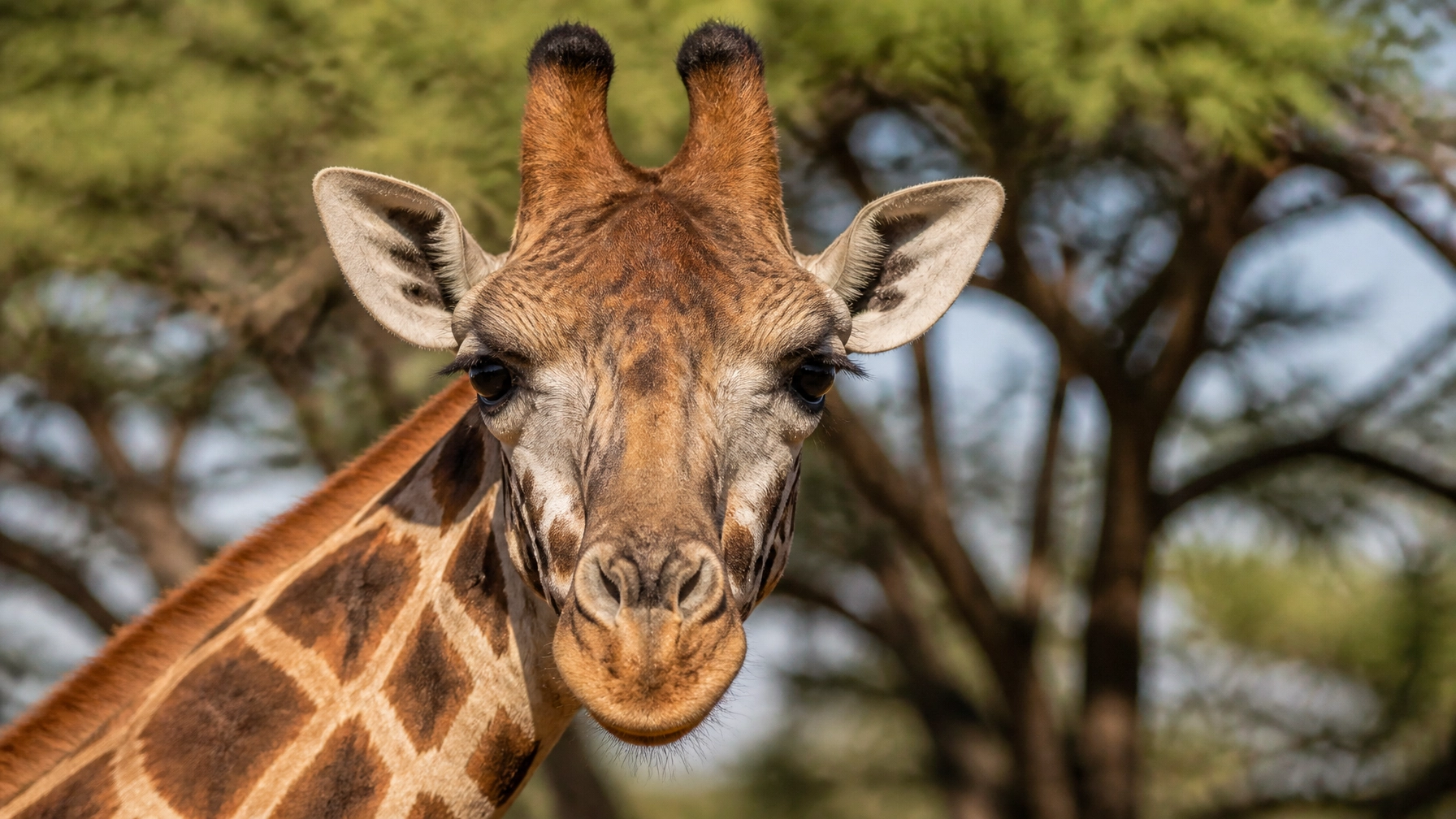
They connect with Kito.
Kito is a reticulated giraffe.
He is seven years old.
He prefers acacia browse over carrots.
He has a distinctive patch on his left shoulder.
When you tell Kito’s story, you aren't just talking about giraffes.
You are talking about a resident of your facility.
You are showing the daily reality of care.
Why this works:
- Identity. A name makes an animal a "who," not a "what."
- Reliability. Showing a specific animal's routine proves your commitment.
- Relatability. Visitors see themselves in the caretaker-animal bond.
By spotlighting an individual, you create a bridge.
The bridge leads to the wild.
If Kito’s wild cousins in Kenya are losing their habitat, the visitor cares more.
Because they know Kito.
The Human Element: Caretakers as Storytellers
Marketing often hides the people behind the glass.
This is a mistake.
Your staff are your most authentic advocates.

A zookeeper's "mid-laugh" moment is marketing gold.
It shows passion.
It shows expertise.
It shows the human side of conservation.
Authentic storytelling includes:
- Daily Wins. A successful medical check-up.
- Enrichment Moments. A new puzzle feeder.
- The Gritty Details. Cleaning enclosures. Preparing diets.
- The "Why." Short interviews on why they chose this path.
Avoid "synergy" or "holistic."
Use "we feed them at 8 AM."
Use "he likes the cold water."
Simple is honest.
Real-World Example: The "Whole Lotta Otta" Campaign
The North Carolina Aquarium at Fort Fisher used this strategy.
They didn't just talk about Asian small-clawed otters.
They talked about Leia and Quincy.
They shared the story of their six pups.
They used:
- Specific Names. Leia, Quincy, and the pups.
- Clear Milestones. Births, first swims, vet visits.
- Multi-Channel Reach. Billboards, buses, and social media.
The campaign wasn't about "sustainability."
It was about a family.
It resulted in national recognition and increased donor trust.
It made the species visible.
Beyond the Charismatic: Spotlighting the "Forgotten"
Most marketing focuses on lions, tigers, and elephants.
But sustainable marketing requires a broader view.
The "Zoo Animal of the Year" campaign in Europe focuses on overlooked species.
In 2024, they chose geckos.

Why spotlight "small" species?
- Diversity. Shows your facility cares for the whole ecosystem.
- Freshness. Visitors see something they usually walk past.
- Direct Impact. Smaller species often have specific, solvable conservation needs.
For the gecko campaign, funds went directly to Vietnam and Tanzania.
No vague promises.
Just data.
Just action.
Connecting to the Wild: The Data Narrative
A species spotlight must end with the wild.
Use population data plainly.
Do not interpret.
State the numbers.

The Data Checklist:
- Status. Endangered. Vulnerable. Least concern.
- Trend. Increasing. Decreasing. Stable.
- Reason. Habitat loss. Poaching.
- Action. What the zoo is doing right now.
If polar bear populations are declining in a specific region, say so.
Link it to your facility's energy-saving goals.
Make the connection direct and utilitarian.
How to Build Your Own Species Spotlight
You don't need a huge budget.
You need focus.
Step 1: Pick an Individual
Choose an animal with a strong personality or a unique history.
Gather high-quality animal photography of that specific individual.
Step 2: Interview the Caretaker
Ask for three things:
- One funny habit the animal has.
- One challenge in their daily care.
- One reason why they love working with this species.
Step 3: Source Wild Data
Find the most recent population stats.
Find one specific field project your facility supports.
Step 4: Create the Content
Draft short, punchy updates.
- Monday: The Individual (Photo, Name, Age).
- Wednesday: The Care (Video of feeding or enrichment).
- Friday: The Wild (Data and the Action link).
The Visitor Connection
When a visitor sees a sign that tells a real story, they stop.
They read.
They learn.

On-Site Strategy:
- Personalization. Use "Meet [Name]" instead of "Species Facts."
- Tactile Learning. QR codes linking to zookeeper blogs.
- Actionable CTAs. "Support Kito’s cousins" instead of "Donate to Conservation."
Make it personal.
Make it real.
Final Takeaways for July 17, 2026
- Be Specific. Use names. Use dates.
- Be Human. Show your staff. Show their work.
- Be Honest. Use plain data. No fluff.
- Be Visual. High-quality, natural photography is essential.
Your marketing should feel like a captured memory.
Not an advertisement.
Ready to elevate your wildlife marketing?
We provide stunning animal photography to help save you time and money.
Explore our categories:
Visit zooimagery.com to see our library.
Follow us on LinkedIn for daily insights.


