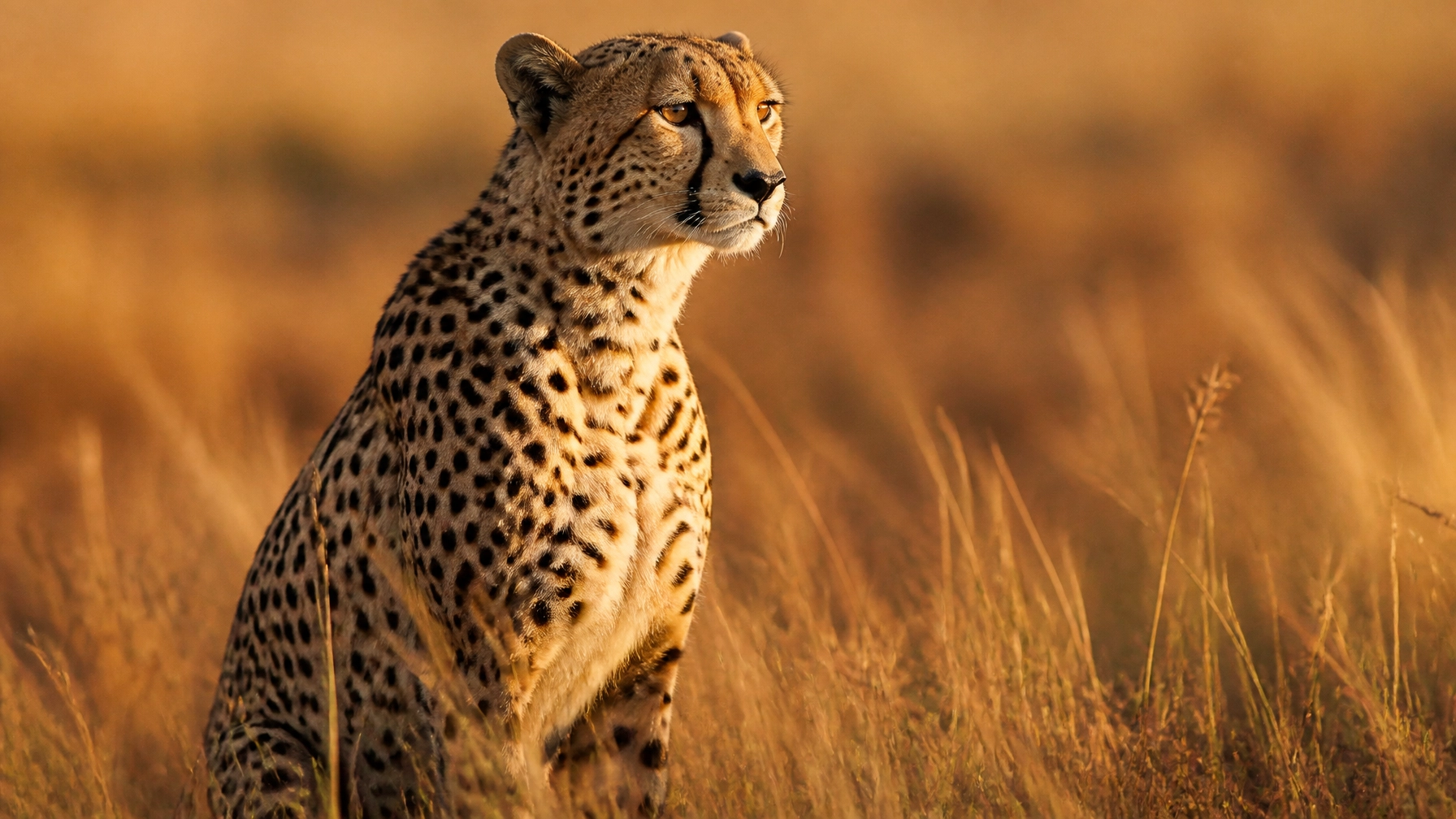
Presented by: Cheetahs : Speed on the Brink
Conservation in 2026 is a game of numbers.
Some numbers inspire.
Others warn.
The cheetah is the fastest land animal.
But it is running out of space.
Recent milestones in Mozambique, South Africa, and Zambia tell the story.
Mozambique: The Return
In 2025, the largest cheetah relocation in history began.
Conservationists moved 16 cheetahs from South Africa to Mozambique.
It was a 53-hour journey.
High stakes.
High pressure.
The results in 2026 are clear.
- 14 of the 16 individuals survived their first year.
- An 87% survival rate.
- Well above the average for wild reintroductions.
The First Cubs
Kazi, a female from the original group, struggled initially.
The journey was hard on her.
She recovered.
She thrived.

Kazi has now given birth to three cubs.
These are the first cheetahs born in this population.
A sign of early success.
A reason for hope.
South Africa: The Census
Numbers can also be sobering.
The first national Free-Roaming Cheetah Census concluded in 2026.
It focused on cheetahs outside protected parks.
The unmanaged populations.
The results were stark.
- 119 free-roaming cheetahs remain.
- 83 mature adults.
- 36 cubs.
Why this matters
Previous estimates suggested 400 to 800 individuals.
The actual count is roughly 70% lower.
These animals live on commercial farmlands.
They face fragmented habitats.
They face human-wildlife conflict.
This 2026 baseline allows for better protection.
It prioritizes habitat connectivity.
It focuses on the Northern Cape, North West, and Limpopo provinces.
Knowledge is the first step toward survival.
Zambia: The New Horizon
The Luangwa Valley has missed its fastest resident.
Cheetahs have been absent here for over 20 years.
That is changing.
A formal restoration plan for Greater Luangwa is underway.
Partners include:
- Department of National Parks & Wildlife (DNPW).
- Zambian Carnivore Programme (ZCP).
- North Luangwa Conservation Programme.
- Conservation South Luangwa.

The focus in 2026 is groundwork.
Landscape assessments.
Community consultation.
Training monitor teams.
The goal: A safe, connected ecosystem for the cheetah’s return.
Species Spotlight: The Cheetah (Acinonyx jubatus)
The Build
- Built for speed.
- Semi-retractable claws for traction.
- A long tail for balance during high-speed turns.
- Distinct "tear marks" to reduce sun glare.
The Hunt
- Diurnal hunters.
- High-speed chases last less than a minute.
- Success rate is roughly 50%.
- They often lose their kill to larger predators like lions or hyenas.
The Status
- Vulnerable.
- Roughly 7,000 remain in the wild globally.
- Range has declined by over 90%.
Conservation Partners
This work isn't done alone.
We are proud to highlight the efforts of the Cheetah Conservation Fund (CCF).
They lead the way in habitat preservation.
They work with farmers to protect livestock without harming predators.
They ensure a future for the species.
Behind the Lens: Photographing Speed
Capturing a cheetah on camera is a lesson in patience.
And speed.

Simple tips for wildlife photography
- Stay low. A low angle creates a more intimate, powerful shot.
- Watch the eyes. If the eyes are in focus, the photo works.
- Understand the behavior. Cheetahs scan the horizon. Wait for the head turn.
- Fast shutter speeds. You need at least 1/2000 of a second for a chase.
- Respect the space. Never interfere with a hunt or a mother with cubs.
At Zoo Imagery, we provide high-quality animal photography.
It saves you time.
It saves you money.
It brings the beauty of the wild to your projects.
Our Mission
We believe in the power of the image.
A photo can spark an interest.
An interest can spark an action.
Our stock photo library features diverse categories.
From lions to wild tigers.
From polar bears to birds.
We also help zoos and aquariums engage their visitors.
Our ZooMedia app turns guest photos into marketing.
User-generated content drives engagement.
It shows real-time ROI.
Get involved
- Explore our animal photography: zooimagery.com
- Connect with us on LinkedIn
- Support cheetah conservation.
Conservation is about persistence.
The cheetah is fast.
We must be faster in our efforts to protect them.


