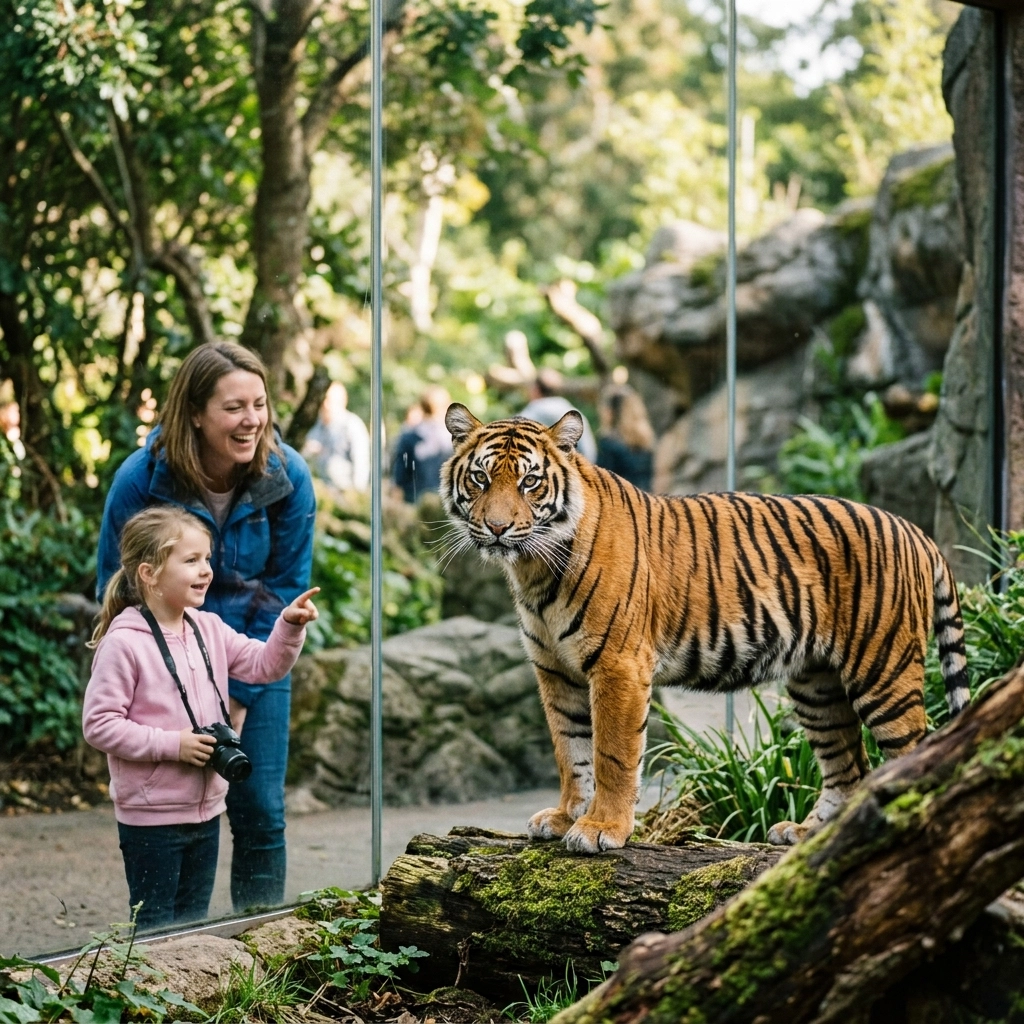
Zoo Animal Photos Matter: Why High-Quality Imagery Drives Real Guest Engagement
Visuals dictate guest behavior.
Guests look before they book. They scan before they read. They feel before they think.
At Zoo Imagery, we understand this. A photograph is more than a file. It is a bridge between a human and a species. High-quality imagery is the foundation of modern zoo marketing.
The Power of the First Impression
First impressions happen in 50 milliseconds.
When a potential visitor lands on your website, they see your animals. If the photo is blurry, dark, or generic, the connection breaks. If the photo is crisp, vibrant, and intimate, the connection holds.
Quality imagery signals:
- Professionalism
- Care and animal welfare
- Modernity
- Value
Poor imagery suggests:
- Outdated facilities
- Lack of attention to detail
- Low engagement
Every pixel matters.

Why Quality Equals Trust
Zoos are trust-based organizations. Guests trust you to care for wildlife. Donors trust you to spend money wisely. Partners trust you to represent their brand.
High-quality photography builds this trust. It shows the animal in its best light. It highlights textures: the skin of elephants, the feathers of rare birds, and the fur of polar bears.
When you show detail, you show transparency.
The "Presented By" Animal Page Model
A core feature of the modern zoo website is the "Presented By" animal page.
This is where a corporate sponsor or a major donor is paired with a specific species. This is a high-stakes area for revenue.
Imagine a local bank sponsoring the pandas.
They want their logo next to a stunning, professional photograph. They do not want to be associated with a grainy image taken on a cloudy day through a dirty window.
Professional stock photography from Zoo Imagery ensures:
- Brand alignment for sponsors
- High-end aesthetic for the zoo
- Clear value proposition for the development team
When the imagery is top-tier, the sponsorship value increases. It is a simple equation.
Sponsored Species Spotlights
Engagement thrives on storytelling.
A "Sponsored Species Spotlight" uses high-quality imagery to tell a story over a week or a month.
Focus on:
- Behavioral traits
- Dietary needs
- Conservation status
- Individual animal personalities
To make these spotlights work, you need a library of assets. You need the hyena mid-laugh. You need the raptor mid-flight.
Capturing these moments in-house is difficult and expensive. Stock photography provides a shortcut to professional storytelling.

Stock Photography: Efficiency for Zoos
Zoos are busy. Marketing teams are small.
Waiting for a sunny day and a cooperative animal to get one good photo is inefficient.
The Zoo Imagery library offers:
- Instant access to thousands of species
- Consistent quality across all categories
- Ready-to-use files for print and digital
- Cost-effective alternatives to custom shoots
We provide the tools. You provide the mission.
The Digital Impact: Social Media and Beyond
Social media is a visual-first environment.
Instagram, TikTok, and Facebook reward high-resolution content. Low-quality photos get buried by algorithms. High-quality photos get shared.
Shares lead to:
- Increased reach
- New followers
- More ticket sales
- Viral potential for conservation messages
When a guest sees a beautiful image of an animal on their feed, they are reminded why they love the zoo.

On-Site Guest Engagement
The importance of photos doesn't end at the gate.
Physical signage relies on imagery.
- Wayfinding signs
- Educational plaques
- Interactive kiosks
- Gift shop merchandise
A high-quality photo on a sign helps a guest identify an animal quickly. It enhances the educational experience. It makes the visit feel premium.
If a sign for birds features a professional close-up, the guest spends more time reading. They learn more. They appreciate the species more.
Conservation Storytelling Through the Lens
Zoos are conservation leaders.
To get people to care about conservation, you have to make them care about the animal.
Professional photography creates empathy.
- An eye-to-eye portrait of a primate
- The powerful stance of a big cat
- The delicate patterns on a reptile
These images move people. They drive donations. They support ESG-aligned campaigns without using buzzwords. They show the "why" behind the work.

Consistency Across Channels
Your brand should look the same everywhere.
The photo on your billboard should match the photo on your website. The photo on your "Presented By" page should match the photo on your social media.
Using a curated stock library ensures this consistency.
At Zoo Imagery, we provide a unified look. Clean. Simple. Direct.
Common Photography Mistakes to Avoid
Many zoos rely on "good enough" photos. This is a mistake.
Avoid:
- Visible fences or bars
- Human-made backgrounds (concrete walls, plastic toys)
- Bad lighting (harsh shadows, washed-out colors)
- Blurry action shots
- Distorted wide-angle shots
Quality stock photography removes these issues. Every image in our library is selected for its professional composition and clarity.
The Role of Imagery in Revenue Growth
Engagement is the precursor to revenue.
High engagement leads to:
- Higher ticket conversion rates
- Increased membership renewals
- More successful fundraising galas
- Better corporate partnership retention
Investing in high-quality imagery is an investment in the zoo's financial health. It is a visual asset that pays dividends across every department.

Simplicity and Clarity
We believe in simple solutions.
Zoos have enough complexity. Managing animal care, guest services, and conservation is hard work.
Your imagery shouldn't be hard.
Access a library. Download the photo. Post it. See the engagement rise.
Why Choose Zoo Imagery?
We specialize in your world.
We aren't a general stock photo site. We are built for zoos and aquariums.
We understand the specific needs of:
- Marketing directors
- Social media managers
- Development officers
- Education coordinators
Our library is tailored to the species you house and the stories you tell.
Building Lasting Connections
The goal of every zoo is to connect humans with nature.
In a digital world, that connection usually starts on a screen.
Make that first touchpoint count. Use imagery that does justice to the animals in your care. Use imagery that reflects the excellence of your institution.
High-quality zoo animal photos matter. They drive engagement. They build trust. They fuel your mission.
Ready to upgrade your visual assets?
Explore our library of professional animal photography and see how we can support your "Presented By" pages and species spotlights.
Visit zooimagery.com to get started.
Follow us on LinkedIn for more insights on zoo marketing and engagement.


