Daily Blog: Animal Photography & Zoo Marketing – August 9, 2026
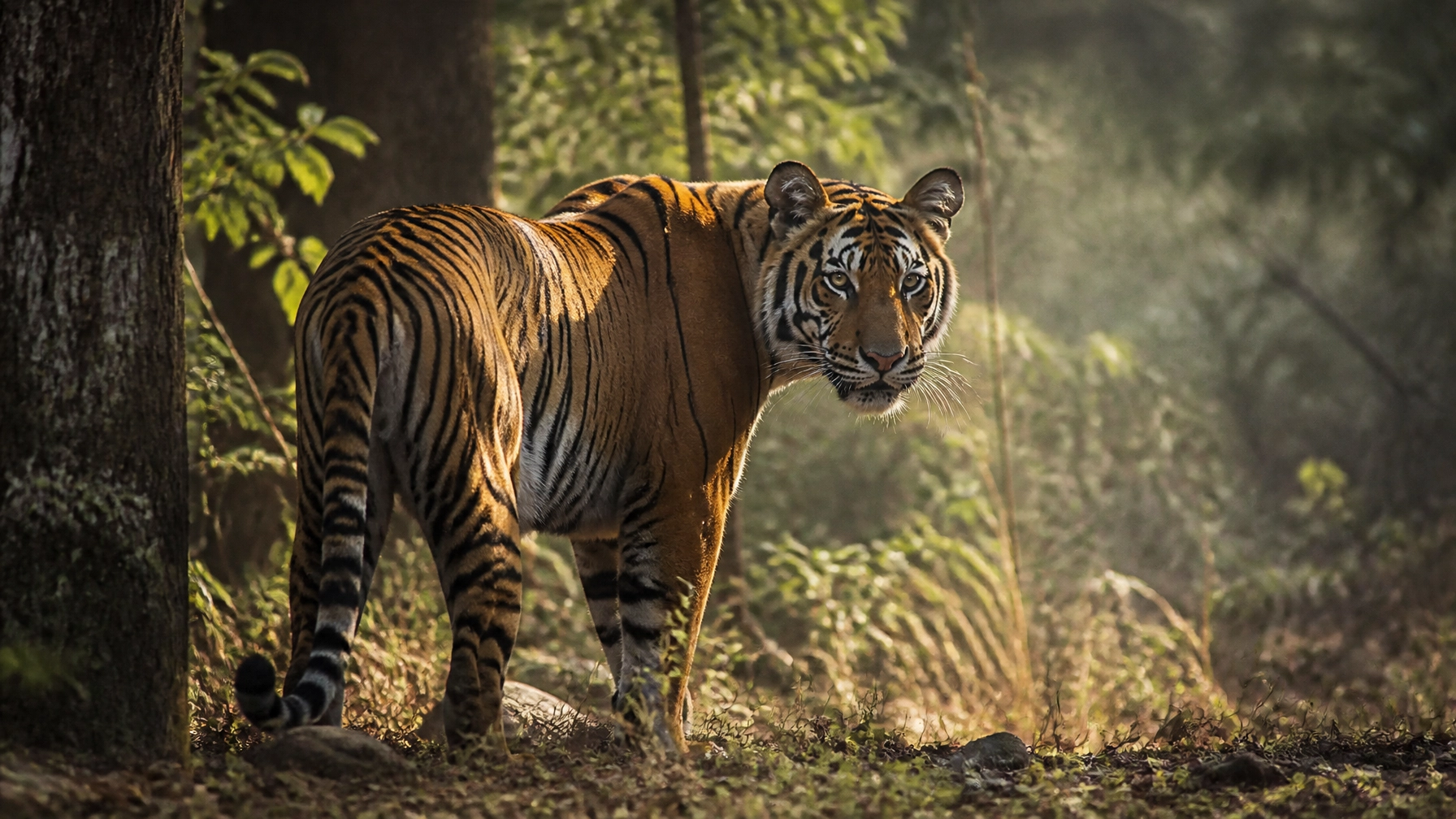
Featured Animal: Wild Tigers
Wild tigers remain one of the most recognized animals in the world.
They are also Endangered.
The species needs clear protection, strong public awareness, and better conservation funding. Photography helps connect people to that work.
A tiger image can stop a scroll.
A strong caption can start a conversation.
A clear conservation message can lead to action.
Explore the Wild Tigers collection on Zoo Imagery.
Tiger Conservation: The Current Facts
The tiger is listed as Endangered on the IUCN Red List.
Current estimates place the wild population between 3,726 and 5,578 tigers.
The best estimate is about 4,500 wild tigers.
Approximately 3,140 mature adults remain.
The total appears stable or slightly increasing in some areas. The recovery is uneven. Many populations remain small, isolated, and exposed to ongoing threats.
Tigers have disappeared from much of their former range.
The species is extinct in many areas where it once lived.
Main threats
- Poaching
- Illegal wildlife trade
- Habitat loss
- Habitat fragmentation
- Prey depletion
- Human–tiger conflict
- Climate and environmental change
- Small, isolated populations
Tigers are killed for skins, bones, and other body parts. Illegal trade continues to threaten wild populations.
Forests are cleared for agriculture, roads, logging, and development.
Deer, wild pigs, and other prey species are also hunted. Less prey means less food for tigers.
As habitat and food sources shrink, tigers come closer to farms and villages. Conflict can lead to injury, capture, or retaliation.
The conservation picture is serious.
It is not without hope.
Panthera’s Tigers Forever program works across key sites in Asia. Its work includes habitat protection, anti-poaching support, prey monitoring, corridor protection, and community-based conflict reduction.
Where tigers have space, prey, and protection, populations can recover.
Sponsored Species Spotlight: Tigers
A sponsored tiger spotlight gives a campaign one clear subject.
One animal.
One story.
One conservation message.
The format works across websites, social media, exhibit screens, newsletters, and fundraising campaigns.
A useful tiger spotlight can include:
- A strong hero image
- The tiger’s scientific name: Panthera tigris
- Endangered status
- Wild population estimate
- Current threats
- Conservation partner information
- A simple visitor action
- Sponsor recognition
The message should remain direct.
Tigers need connected habitat.
Tigers need protection from poaching.
Tigers need healthy prey populations.
Communities need practical ways to live safely near tigers.
A sponsor can support the page without taking over the story. The animal remains the focus.
“Presented by” Animal Pages
A Presented by animal page creates a clear connection between a species and a supporting organization.
For tigers, the page can serve as:
- A conservation education page
- A campaign landing page
- A sponsor feature
- A visitor resource
- A source for approved animal imagery
- A link between zoo work and wild populations
The layout should stay simple.
Large image.
Short facts.
Clear conservation information.
One next step.
Zoo Imagery supports this kind of visual storytelling through its animal photography library. The Wild Tigers page gives creative teams a focused place to find tiger imagery for campaigns, editorial work, educational content, and digital media.
Landscape and portrait formats support different uses.
Landscape images work well for:
- Website headers
- Blog posts
- Digital displays
- Presentation slides
- Video covers
Portrait images work well for:
- Social posts
- Mobile campaigns
- Stories
- Posters
- Vertical video
The right image reduces production time.
It also keeps the campaign consistent.
Behind the Lens: Photographing Tigers in the Wild

Wild tiger photography begins with distance and patience.
The photographer does not control the moment.
There is no staged movement.
No baiting.
No artificial lighting.
The tiger decides where to walk, when to stop, and whether to look toward the camera.
Position
Photographers often work from a secure vehicle or a protected field position.
The distance matters.
A long telephoto lens allows the photographer to frame the animal without changing its behavior. A 400mm, 500mm, or 600mm lens is common for this type of work.
The goal is not to move closer.
The goal is to remain unnoticed.
Light
Early morning and late afternoon provide softer light.
Warm light can reveal the orange coat and black stripes. Low light can also create technical problems. Shutter speed must remain high enough to freeze movement.
A moving tiger may require:
- 1/1000 second or faster
- Wide or moderate aperture
- High ISO in forest shade
- Continuous autofocus
- Animal eye detection when available
The eyes remain the priority.
Behavior
The best images often show more than a standing animal.
A tiger turning its head.
A pause in tall grass.
A careful step across a stream.
A mother checking on a cub.
A stare through leaves.
These are small actions. They create context.
They show an animal living in a real environment, not posing for a camera.

Ethics
Good wildlife photography follows clear boundaries.
- Keep a safe distance.
- Do not bait or call animals.
- Do not block movement.
- Do not use flash near wildlife.
- Follow local rules.
- Follow the direction of guides and field staff.
- Leave no trace.
The image is never more important than the animal.
That standard also applies to zoo photography. Visitor safety and animal welfare come first.
Photography as a Conservation Tool
Conservation facts need attention before they can create understanding.
Photography earns that first moment of attention.
A tiger’s expression can make population data feel specific. A habitat image can make forest loss easier to understand. A family group can show what protection is trying to preserve.
For zoo and aquarium teams, the image can support a simple content structure:
- Show the animal.
- State the conservation fact.
- Explain the threat.
- Name the response.
- Offer one practical next step.
Example:
Tigers are Endangered. About 4,500 remain in the wild. Habitat loss, poaching, prey depletion, and human conflict continue to limit recovery. Protected habitat and local conservation work can help. Learn more before you leave the exhibit.
Short messages work well on mobile screens.
They also work well beside guest photos.
ZooMedia.us: Turning Visitor Photos Into Engagement

The ZooMedia.us platform connects visitor photography with zoo marketing.
Guests take photos.
They share them.
The zoo receives authentic user-generated content.
That content can support:
- Social media
- Visitor campaigns
- Photo contests
- Digital displays
- Conservation stories
- Sponsored species pages
- Follow-up communications
The experience starts with a guest and a camera phone. It can continue across the zoo’s digital channels.
For a tiger campaign, visitors might share a photo with a short fact about wild populations. Selected images could appear on venue screens or in a digital mosaic. A conservation partner could be featured beside the campaign.
The app also supports real-time engagement results and ROI tracking.
Marketing teams can review:
- Photo activity
- Shares
- Campaign participation
- Visitor interaction
- Audience response
- Follow-up actions
The exact campaign goal will vary.
The basic process stays simple:
See the tiger.
Take the photo.
Share the story.
Measure the response.
This gives visitors a role in the campaign. It also gives zoo teams a steady source of authentic content.
A Practical Tiger Campaign
A zoo can build a focused campaign around one message:
“Every tiger needs room to live.”
The campaign can include:
- A Presented by tiger page
- A sponsored species spotlight
- Wild tiger photography
- A short conservation fact
- A visitor photo prompt
- A conservation partner link
- Digital screens featuring guest images
- Real-time engagement reporting
The campaign should not overwhelm visitors with information.
One strong image.
One clear fact.
One useful action.
That is enough.
Explore Zoo Imagery
Zoo Imagery provides animal photography for creative professionals, marketers, and content creators.
The library includes wild tigers and other animal categories, with landscape and portrait formats for different project needs.
Browse the Zoo Imagery library.
For zoo and aquarium marketing teams, learn how visitor photography and picture marketing can support engagement through ZooMedia.us.
For updates and company news, connect with Zoo Media on LinkedIn.
Wild tigers need attention.
Good images help people look.
Clear stories help them understand.
That is where conservation communication begins.


