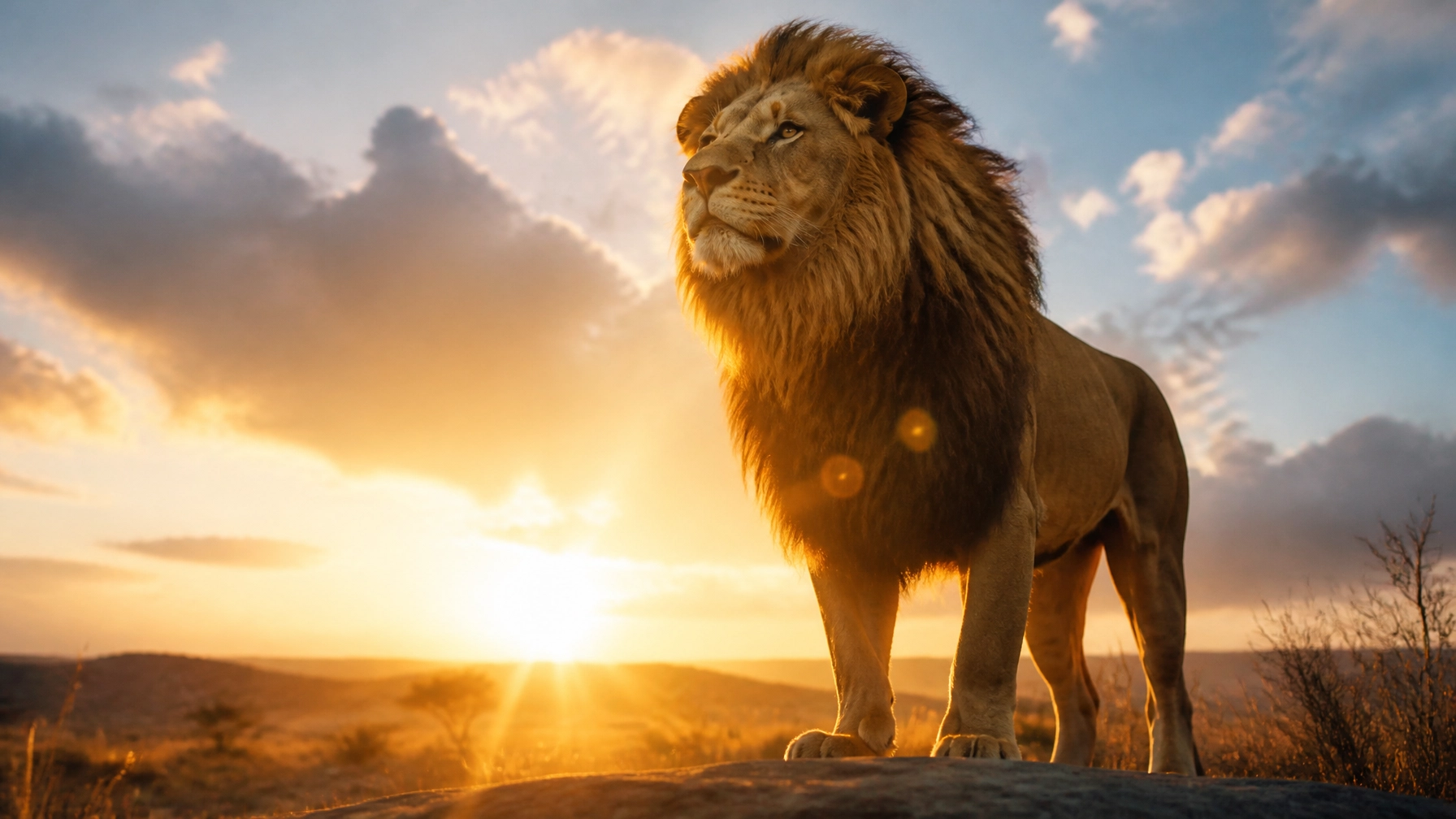
Why Species Conservation Matters: Today’s Wildlife Highlights from Zoo Imagery
Wildlife conservation is not optional. It is a requirement for a functioning planet. In 2026, biodiversity is the foundation of global health, economic stability, and cultural identity.
At Zoo Imagery, we provide the visual tools to tell these stories. High-quality imagery bridges the gap between data and emotion.
Here are today’s highlights.
The State of Wildlife: 2026
The numbers are clear.
- Over 41,000 species face extinction.
- Habitat loss is the primary driver.
- Climate change accelerates population declines.
- Conservation efforts work. 99% of species listed under the ESA have avoided extinction.
We document the beauty of these animals. Our library includes:
Species Spotlight: The Polar Bear

The Arctic is changing. Polar bears are the frontline.
The Reality
Sea ice is essential for hunting. It is melting faster than predicted. Bears must travel longer distances for food. Energy expenditure is rising. Cub survival rates are dropping.
The Data
- Current status: Vulnerable.
- Population: Approximately 22,000–31,000 remains.
- Habitat: Arctic Circle, specialized for ice-covered waters.
Why it Matters
Polar bears are apex predators. They regulate seal populations. They maintain the balance of the marine ecosystem. Without them, the Arctic food web collapses.
2026 Species to Watch: The Clouded Leopard

A ghost of the forest. The clouded leopard is a priority in 2026.
The Threats
Deforestation in Southeast Asia is the main challenge. Palm oil plantations replace old-growth forests. Poaching for their unique pelts continues.
The Importance
- They are masters of the canopy.
- They possess the longest canine teeth relative to body size of any cat.
- They are a flagship species for rainforest preservation.
Protecting the clouded leopard means protecting the forest. This preserves carbon sinks. It stabilizes the climate.
Ecosystem Architects: African Elephants

Elephants are not just residents. They are engineers.
The Role
- They dig watering holes used by other species.
- They clear paths through dense brush.
- They disperse seeds over vast distances.
- Their dung enriches the soil.
The Crisis
Habitat fragmentation limits migration. Human-wildlife conflict is increasing. Elephants need space.
The Imagery
Seeing an elephant family conveys wisdom and social complexity. Our elephants collection captures these moments. High-resolution photos show the texture of their journey.
2026 Theme: Medicinal and Aromatic Plants (MAPs)
Conservation is not just about animals.
World Wildlife Day 2026 focuses on "Medicinal and Aromatic Plants: Conserving Health, Heritage and Livelihoods."
The Facts
- 60,000–90,000 plant species are used medicinally.
- These plants form the basis of traditional remedies.
- They are the source of modern pharmaceutical compounds.
- Overharvesting and habitat loss threaten these resources.
The Connection
Healthy ecosystems produce healthy people. When we protect the habitat of the wild tiger, we protect the plants beneath them.
The Business of Nature: Why Conservation Pays
Wildlife is an economic engine.
Economic Benefits
- Wildlife watching generates tens of billions of dollars.
- Ecotourism supports local communities.
- Biodiversity-based resources provide food, fuel, and clothing.
The Role of Photography
Visuals drive tourism. Visuals drive donations. High-quality animal imagery is a marketing asset for conservation.
ZooMedia: Digital Engagement for Zoos

Zoos and aquariums are centers for conservation education.
The ZooMedia.us app transforms the visitor experience.
The Solution
- Enable guests to share photos instantly.
- Create user-generated content (UGC).
- Increase social media reach.
- Track real-time engagement.
- Measure ROI on marketing efforts.
The Impact
Pictures tell the story of conservation. When visitors share their photos, they become advocates. This drives more visitors. More visitors mean more funding for species protection.
Simple Truths of Conservation
Conservation is direct.
- Preserve the habitat.
- Stop the illegal trade.
- Respect the boundaries.
- Support the science.
At Zoo Imagery, we keep it simple. We provide the photos. You provide the voice.
Summary of Highlights
- Polar Bears: Monitoring ice levels is critical.
- Clouded Leopards: Forest preservation is the priority.
- Elephants: Recognizing their role as ecosystem architects.
- MAPs: Valuing the plants that heal us.
- ZooMedia: Leveraging tech for conservation marketing.
Take Action
Visuals matter. Use them to inspire.
Explore our diverse categories:
Join our network.
Visit zooimagery.com.
Follow us on LinkedIn.


