7 Mistakes You’re Making with Wildlife Stock Photos in Press Releases (and How to Fix Them)
Visuals drive the story. In wildlife conservation and zoo marketing, the wrong image kills credibility. Many press releases fail because the photos contradict the mission.
At Zoo Imagery, we see these errors daily. We provide the tools to avoid them.
Company Milestone: 10,000 High-Impact Assets
Zoo Imagery recently reached a major milestone. Our library now hosts over 10,000 professional animal assets. This includes rare polar bear footage and exclusive wild tiger photography. Our goal remains simple: stunning imagery that saves time and money for conservationists and marketers.
1. Habitats That Don’t Match the Species
A common error. Using a desert background for a forest-dwelling species. Or a snowy landscape for a tropical bird.
The Impact:
- Loss of scientific credibility.
- Confusion for the audience.
- Weakened conservation message.
The Fix:
Verify the species origin. Cross-reference the image metadata with the press release subject. Use our categorized library to ensure habitat accuracy. Search specifically for birds or elephants in their natural settings.
2. Presenting Staged Animals as "Wild"
Staged photos from game farms are common in cheap stock libraries. They look "too perfect." Often, the animal’s behavior is unnatural.
The Impact:
- Undermines trust with journalists.
- Promotes unethical "photo farm" practices.
- Misrepresents animal behavior.
The Fix:
Demand transparency. Look for "wild-caught" or "natural environment" labels. Our library prioritizes authentic, documentary-style photography. This ensures your press release reflects reality.

3. Species Spotlight: Polar Bears
The polar bear is a symbol of climate change. But generic photos often show them in distress or in unrealistic habitats.
Effective Polar Bear Imagery:
- Authentic arctic landscapes.
- Natural behaviors: walking, swimming, resting.
- High-resolution textures showing fur and ice.
Conservation storytelling needs dignity. Choose images that show the animal’s strength, not just its vulnerability.
4. Ignoring Resolution and Format Requirements
Pixelation is a professional death sentence. A press release image must be high-resolution for print and digital.
Common Errors:
- Using low-res thumbnails.
- Ignoring the aspect ratio.
- Over-cropping.
The Fix:
Zoo Imagery provides both landscape and portrait formats. This covers social media, print news, and website banners. High-resolution files are standard. No guesswork.
5. Reinforcing "Pet" Perceptions
Anthropomorphism is a trap. Photos showing wild animals "smiling" or posing in human-like ways are damaging.
The Risk:
- Encourages dangerous human-wildlife interaction.
- Suggests wild animals can be pets.
- Distorts ecological reality.
The Fix:
Choose candid shots. Focus on natural interaction. Avoid props or obvious human influence. Look for hyenas or pandas engaged in natural foraging or social bonding.

6. Over-Dramatic Editing
Neon-green grass. Electric-blue water. These scream "fake." Over-edited images look like CGI, not wildlife photography.
The Impact:
- Distracts from the press release text.
- Looks amateurish.
- Signals a lack of authenticity.
The Fix:
Stick to natural lighting. Prefer "Golden Hour" or soft morning light. Our photography emphasizes clarity and vibrancy without artificial enhancement. Clean. Authentic. Documentary-style.
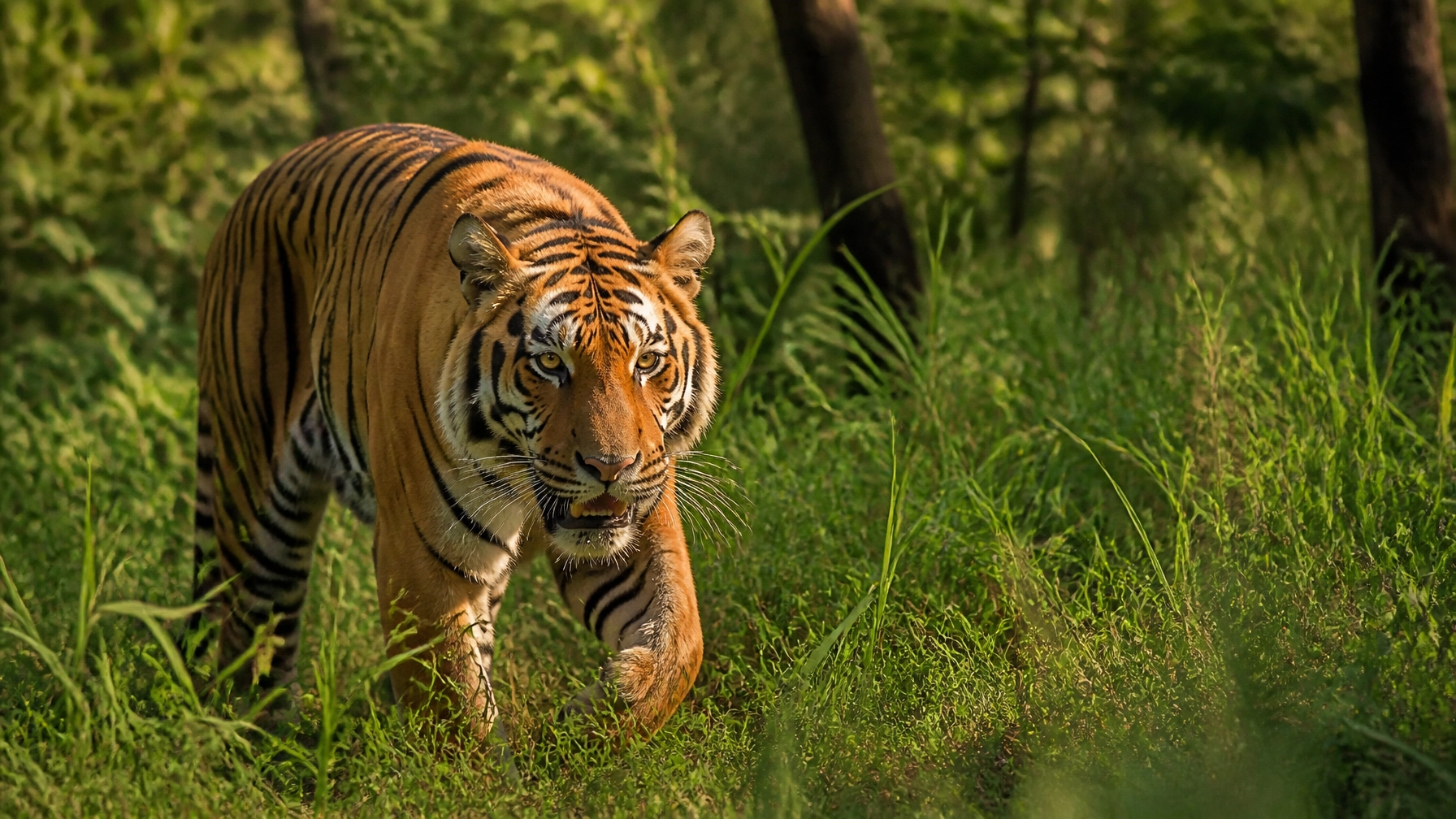
7. Species Spotlight: Wild Tigers
Wild tigers are elusive. Getting the right shot is difficult and expensive. Many marketers settle for captive tiger photos that lack the intensity of the wild.
What to Look For:
- Camouflage in natural foliage.
- Intense, focused gazes.
- Powerful muscle definition.
Real tiger imagery captures the essence of the apex predator. It makes your press release unignorable.
8. Failing to Use User-Generated Content (UGC)
For zoos and aquariums, the best photos often come from guests. Ignoring this resource is a missed opportunity for engagement.
The Solution:
ZooMedia.us. Our phone app allows guests to share their photos directly with your marketing team.
Benefits:
- Real-time engagement.
- Authentic perspectives.
- Measurable ROI tracking.
- Massive library of organic content.

9. Lack of Clear Context (Baiting)
Some "action" shots are achieved through unethical baiting. This stresses the animal and creates a false narrative.
The Issue:
- Contradicts ESG (Environmental, Social, and Governance) goals.
- Can lead to public backlash.
- Unethical.
The Fix:
Source from reputable photographers. Zoo Imagery ensures ethical standards in our collection. We tell the story of conservation through respect, not exploitation.
10. Ignoring the Call to Action (CTA)
A press release needs a destination. The image should lead the viewer to act.
The Fix:
Pair your image with a clear, benefit-focused CTA. Ensure the visual and the link are aligned.
Summary of Best Practices
- Authenticity first. No staged shots.
- Habitat accuracy. Check the background.
- High resolution. Always.
- Ethical sourcing. No baiting.
- Format variety. Landscape and portrait.
Zoo Imagery provides the assets. You tell the story.
Explore our categories:

Take the Next Step
Elevate your press releases with professional wildlife photography. Stop guessing. Start engaging.
Visit zooimagery.com to browse the full library.
Connect with us on LinkedIn for daily species spotlights and marketing tips.


