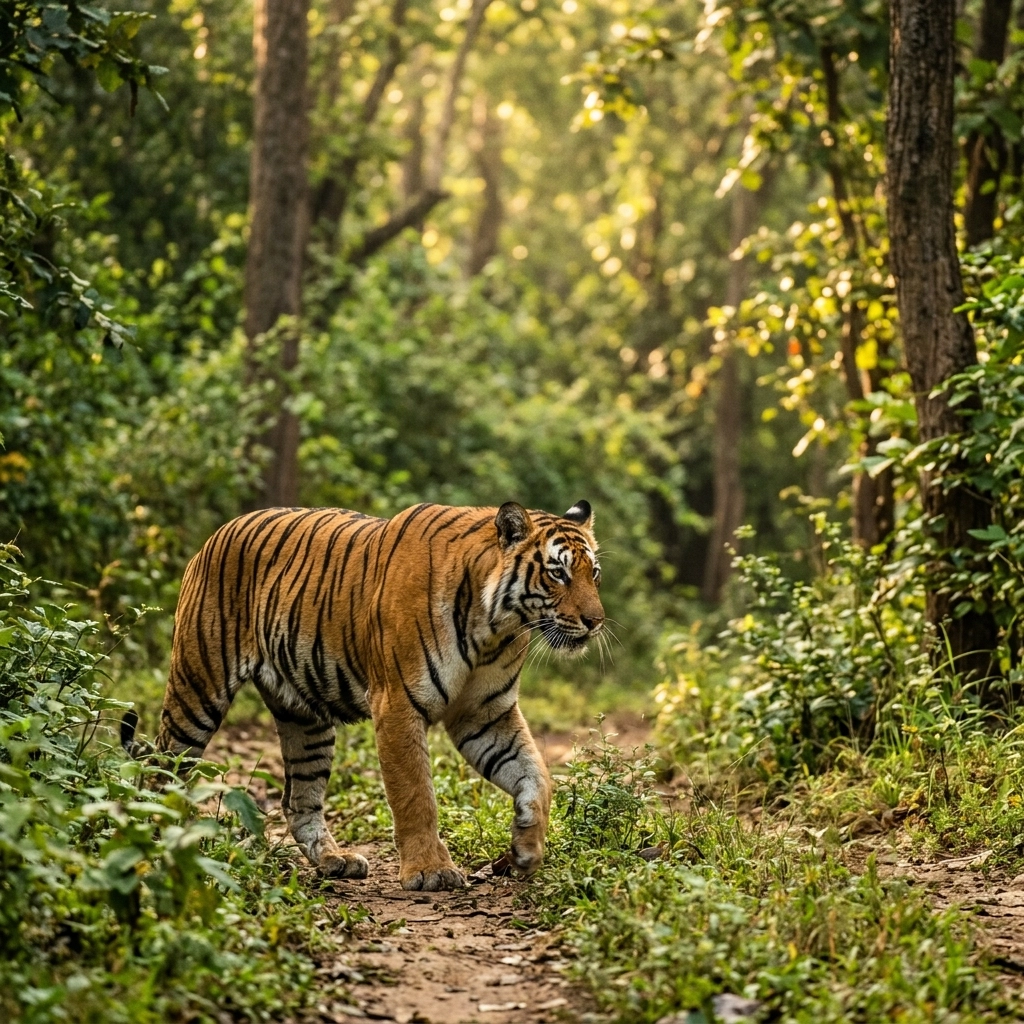
Top 10 Wild Tiger Stock Photos and the Conservation Milestones They Support
At Zoo Imagery, we believe a single image can change a species' trajectory. Visuals drive donations. They fuel social media awareness. They document history.
Today, we look at ten iconic wild tiger images. These aren't just files in a library. They are markers of conservation success.
As Dan Kost, our CEO, often says: "Keep it simple. Show the animal. Tell the truth."
Here is the truth about the world's most magnificent cats and the milestones they’ve reached.
1. The Siberian Tigress of the Land of the Leopard

The Photo: A tigress in Russia’s Land of the Leopard National Park. She is captured in a moment of quiet dominance, hugging an ancient fir tree to leave her scent.
The Milestone: The recovery of the Amur (Siberian) tiger. In the 1940s, only 40 individuals remained. Today, the population is over 500. This image represents the success of strict anti-poaching laws and habitat protection in the Russian Far East.
Why it matters for media: It shows the tiger as a ghost of the forest. It isn't just a predator; it’s a resident. High-quality stock of Siberian tigers is rare. You can find curated selections here: Wild Tigers.
2. The Royal Bengal Tiger of Ranthambore
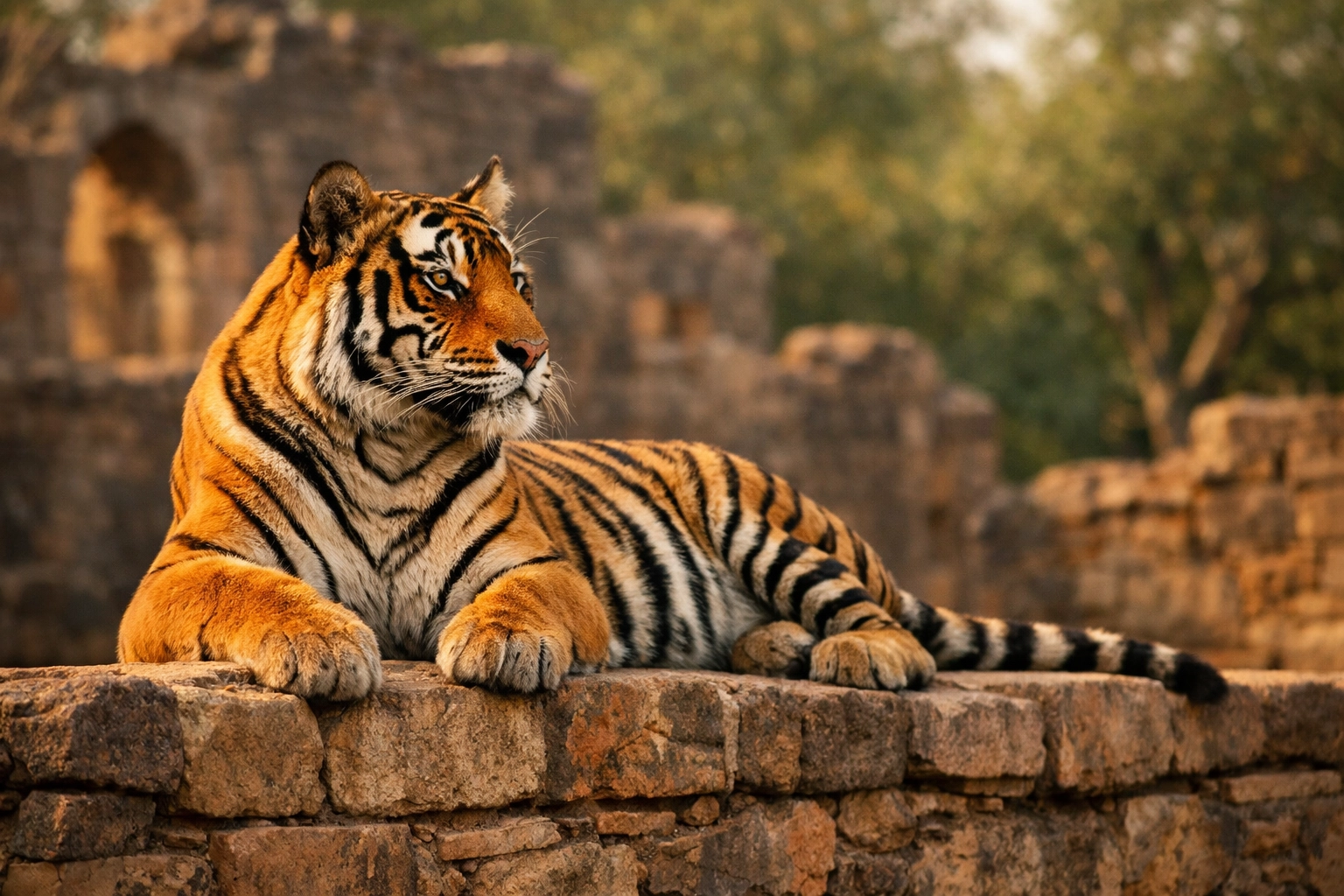
The Photo: A golden-hour shot of a tiger resting on a stone wall. The light is soft. The tiger is calm.
The Milestone: India’s Project Tiger 50th Anniversary. India now holds roughly 75% of the world's wild tiger population. Ranthambore National Park is the crown jewel of this effort. This photo celebrates the transition from tigers being hunted to tigers being photographed.
The Zoo Imagery Perspective: Simple imagery often works best. This photo doesn't need a caption to tell you that tigers are royalty.
3. The Indochinese Tiger Mid-Shake
The Photo: A high-shutter-speed capture of a tiger emerging from a river. Every droplet of water is frozen in the air.
The Milestone: Transboundary cooperation in the Mekong region. Specifically, the creation of protected corridors between Thailand and Myanmar. These "green bridges" allow tigers to roam safely across borders.
Conservation Storytelling: Use this image to talk about movement. Conservation isn't just about fences. It’s about freedom of movement.
4. The Corbett Dawn
The Photo: A tiger silhouetted against the rising sun in Jim Corbett National Park. The mist is thick. The tiger is a shadow.
The Milestone: The establishment of the first national park in mainland Asia. Corbett set the template for wildlife tourism as a tool for conservation. It proved that tigers are worth more alive than dead.
Professional Tip: Silhouettes are versatile for marketing. They provide a clean background for text. Check our sitemap for more listing types.
5. The Expression of Resilience
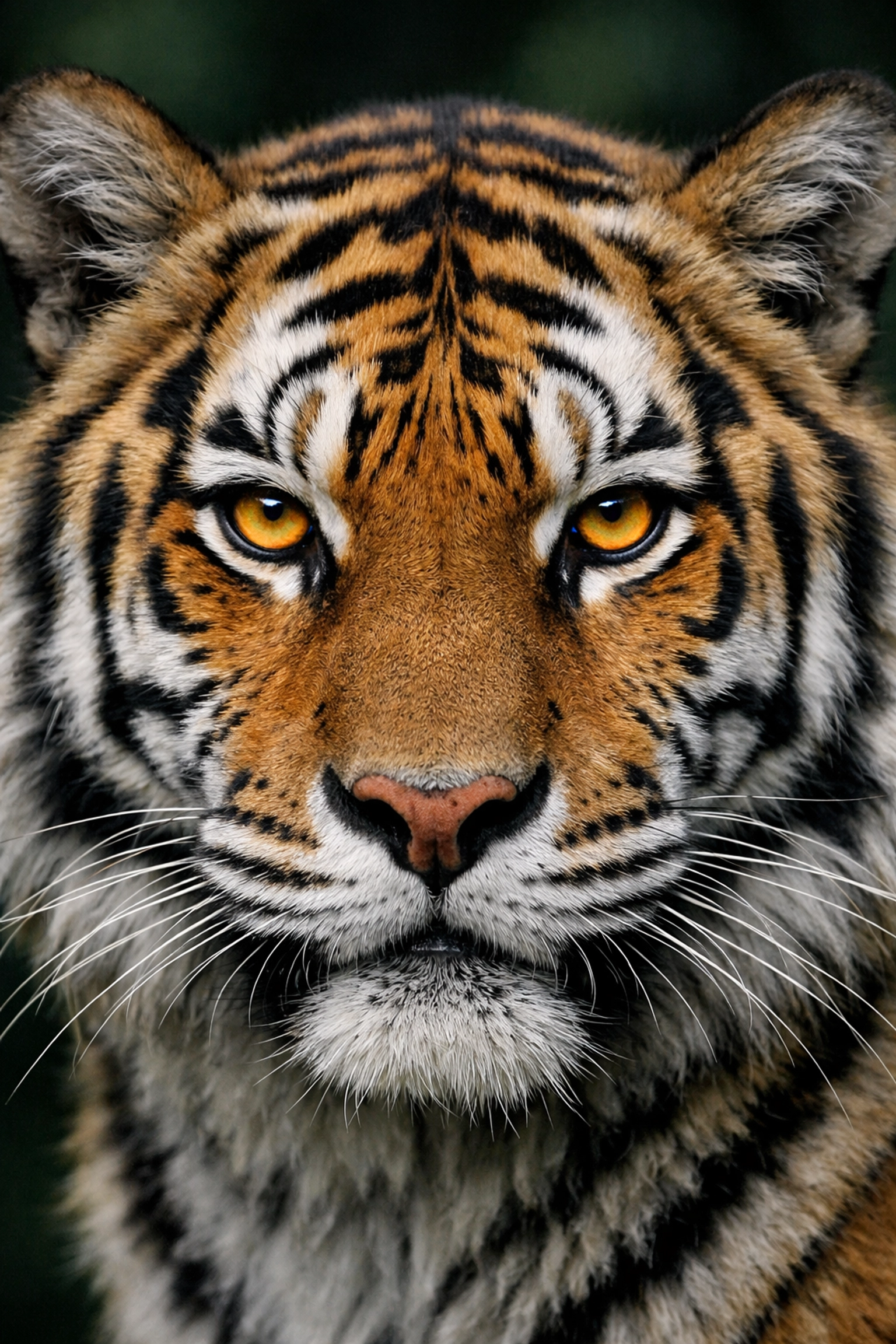
The Photo: A tight close-up. Focus on the eyes. No background. Just the intense gaze of a predator.
The Milestone: The TX2 Goal. In 2010, the 13 tiger-range countries committed to doubling the number of wild tigers by 2022. While not every country met the goal, the global population increased for the first time in a century.
The Narrative: This image represents focus. The global community focused on one goal and achieved progress.
6. The Lone Reflection
The Photo: A tiger drinking from a watering hole. The reflection is perfect. The water is still.
The Milestone: Tiger density milestones. In certain Indian reserves, tiger density has reached its highest level in history. This creates new challenges for habitat management, but it is a "good" problem to have.
Utilitarian Value: Reflection shots symbolize self-awareness and environmental health. Use them in ESG reports.
7. The Snowy Forest Camera Trap
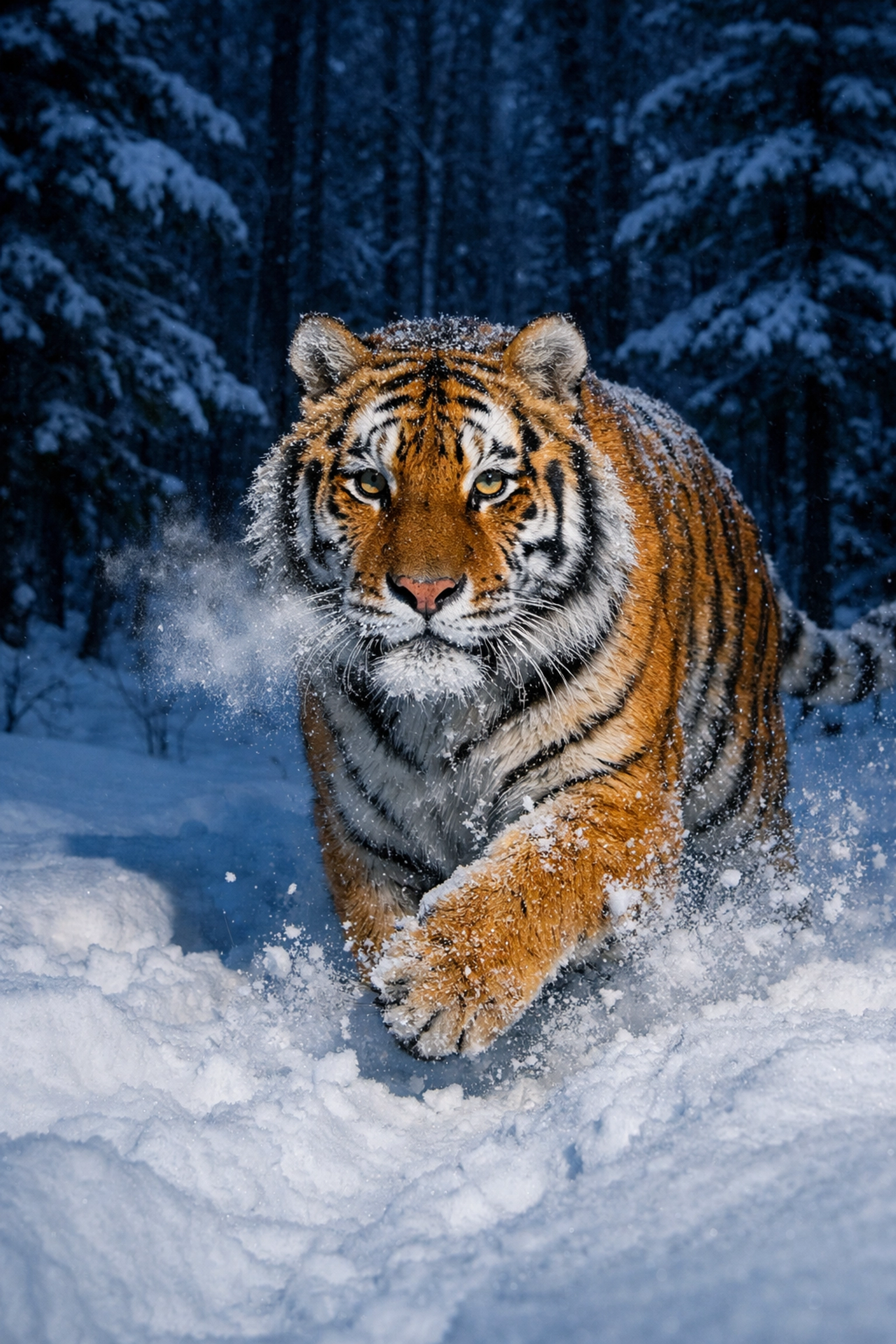
The Photo: A wide shot. A tiger walking through knee-deep snow at night. The lighting is artificial, captured by a remote trigger.
The Milestone: The rise of non-invasive monitoring. We no longer need to tranquilize tigers to count them. Technology allows us to see them without disturbing them.
Company Milestone: Zoo Imagery is expanding its collection of camera-trap style photography. Authentic, "raw" looks are trending in digital media.
8. The South China Tiger (Captive Hope)
The Photo: A rare look at the critically endangered South China tiger. These tigers are currently functionally extinct in the wild.
The Milestone: The Rewilding Project. This photo supports the story of tigers being bred in South Africa to learn hunting skills before being reintroduced to China. It is one of the most ambitious conservation projects ever attempted.
Simple Truth: Sometimes the story is about what we almost lost.
9. The Tadoba Mother and Cub
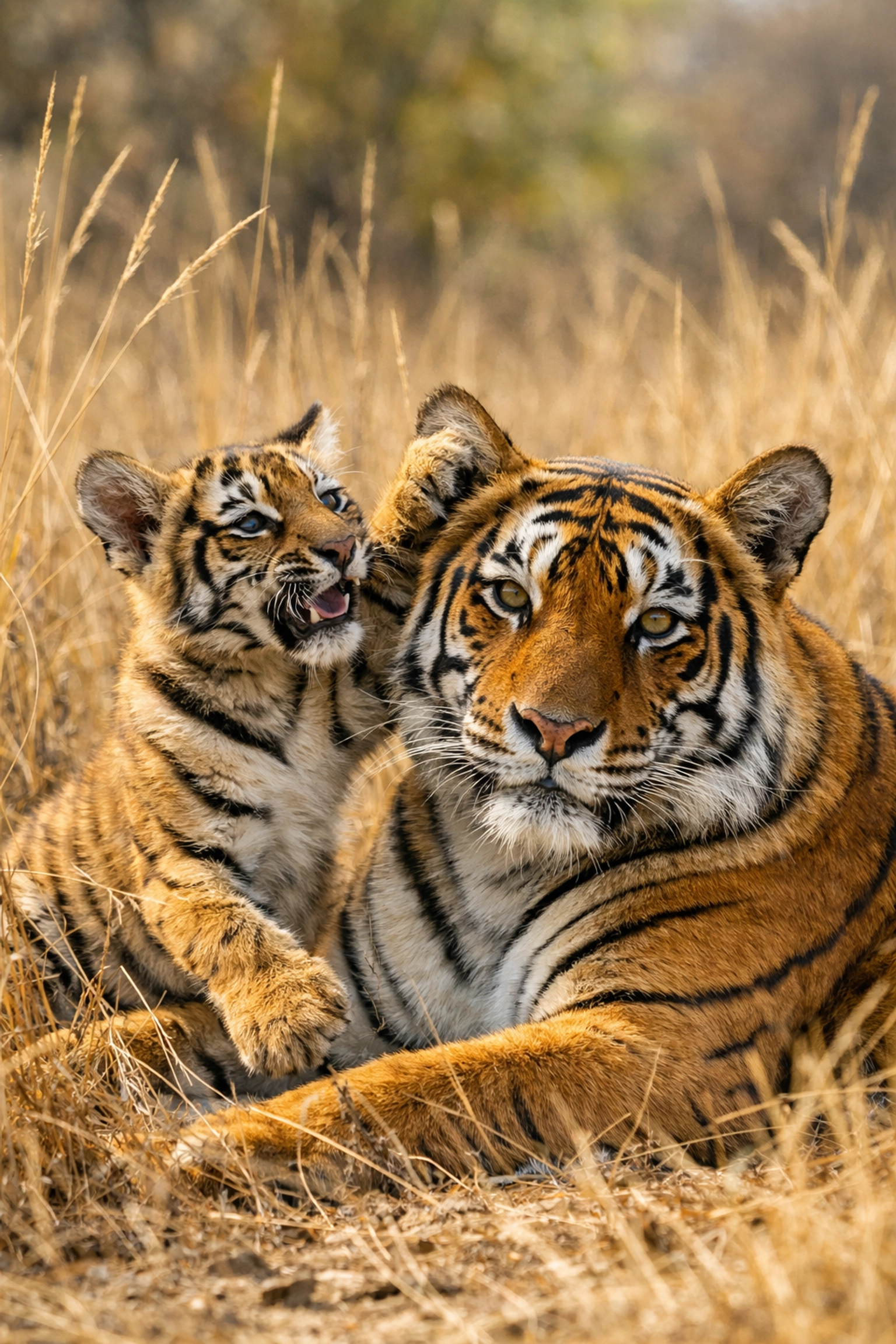
The Photo: A tigress nudging her cub. The cub is playful. The mother is watchful.
The Milestone: Breeding success in the Central India Landscape. Corridors between Tadoba and other parks have allowed for genetic diversity. More cubs are surviving to adulthood than ever before.
Engagement: Photos of cubs always drive the highest engagement. At Zoo Imagery, we ensure our cub photography is ethical: no staged shots, just natural behavior.
10. The Pseudo-Melanistic Mystery
The Photo: A tiger with thick, merging black stripes. It looks darker than a traditional tiger.
The Milestone: Genetic discovery in Similipal, Odisha. Scientists recently identified the genetic mutation responsible for this look. It highlighted the importance of small, isolated populations and the need for genetic corridors.
Rare Visuals: These "black tigers" are among the rarest images in our collection. They represent the "rarely but best" philosophy of our brand.
Why Quality Stock Matters for Conservation
Conservation groups often lack the budget for high-end photography expeditions. That is where we step in.
Zoo Imagery provides the visual assets necessary for:
- Non-profit fundraising campaigns.
- Educational displays in zoos and aquariums.
- Global awareness on LinkedIn and social platforms.
- ESG-aligned corporate branding.
Our Commitment at Zoo Imagery
We are more than a stock site. We are a bridge between the wild and the digital world. Led by Dan Kost, our team focuses on simple, powerful media.
- Transparency: We provide honest metadata.
- Quality: We curate for impact, not just quantity.
- Directness: We make it easy to find what you need.
How to Use These Images
If you are building a campaign for International Tiger Day or an internal ESG report, look for images that tell a specific story.
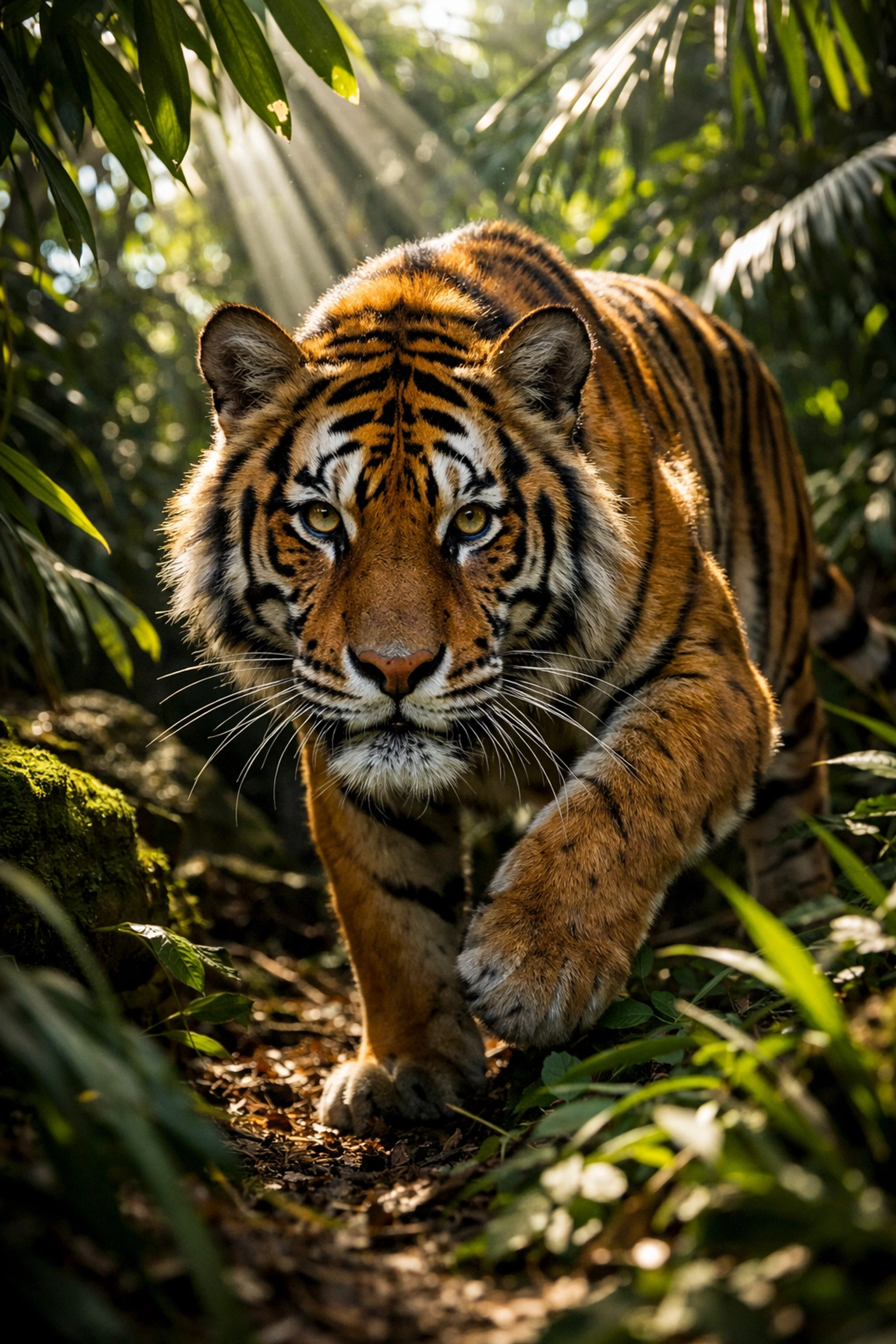
- Select by subspecies: Amur, Bengal, or Indochinese.
- Select by behavior: Hunting, resting, or nurturing.
- Select by environment: Snow, jungle, or grassland.
Check our full sitemap for a deep dive into our categories.
Join the Movement
The recovery of the wild tiger is one of the greatest success stories in modern history. But the work isn't done. Habitat loss and poaching remain threats.
Your choice of media matters. When you use high-quality, authentic imagery, you honor the animal. You tell a better story. You inspire action.
Learn more about our mission:
Visit zooimagery.com to browse our latest collections.
Connect with us:
Follow our CEO, Dan Kost, and the Zoo Imagery team on LinkedIn for daily updates on wildlife media and conservation milestones.
Zoo Imagery.
Simple. Professional. Wild.


