The Ultimate Guide to Sustainable Wildlife Marketing: Everything You Need to Succeed in 2026
Wildlife marketing has changed. By 2026, the focus has shifted from simple entertainment to meaningful conservation impact. Audiences are more skeptical. They demand authenticity. They value transparency.
Success today requires more than a "fun day out" message. It requires a strategy built on ethical visual standards, user-generated content, and clear conservation narratives.
This guide outlines the essentials for modern zoo and aquarium marketing.
The New Visual Standard
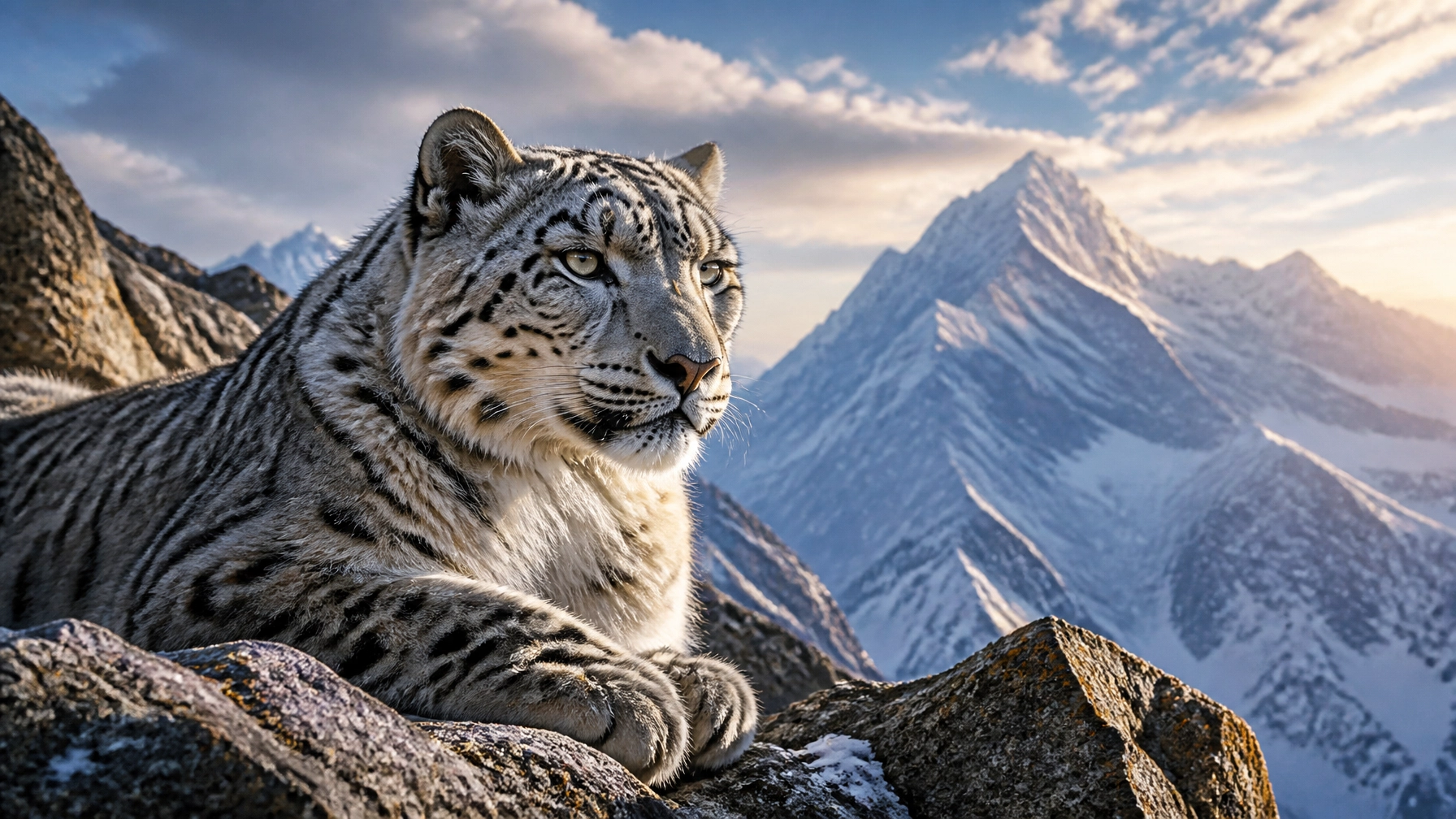
Stock photography in 2026 must be natural. No staged interactions. No direct contact with animals. The goal is to capture natural behaviors in naturalistic habitats.
High-resolution, authentic imagery creates an emotional connection. It builds trust. When a visitor sees a lion in a spacious, sun-drenched savanna, they see welfare. They see a professional institution.
Zoo Imagery provides the visual assets needed for this transition. Our library features diverse categories:
- Polar bears
- Wild tigers
- Giraffes
- Lions
- Elephants
- Pandas
- Hyenas
- Birds and fish
The shift is simple: Lead with quality. Avoid the artificial.
Why Quality Matters
- Authenticity: Real moments drive higher engagement.
- Welfare: Natural settings signal better animal care.
- Professionalism: High-quality assets reflect a high-quality institution.

User-Generated Content (UGC) and Authenticity
Marketing is no longer a one-way street. Your visitors are your best advocates. Their photos are more trusted than your advertisements.
The ZooMedia.us app bridges the gap between guests and marketing teams. It allows visitors to share their experiences instantly. This creates a stream of authentic, real-time content.
Benefits of the ZooMedia App
- Real-time engagement: Content is shared as it happens.
- UGC integration: Visitors become creators.
- ROI tracking: See exactly how guest photos drive interest.
- Increased reach: Every shared photo is a personal recommendation.
The app provides the tools to manage this content. It simplifies the process of gathering and displaying visitor perspectives.
Sponsored Species Spotlights
One of the most effective strategies in 2026 is the Sponsored Species Spotlight. This involves partnering with organizations to "present" specific animal pages or exhibits.
This is not about traditional advertising. It is about alignment. A partner supports the conservation of a specific species. In return, their brand is associated with that species' story.
Key Campaign Elements
- "Presented by" animal pages: Direct association with a species.
- Conservation storytelling: Highlighting specific projects funded by the partnership.
- Visual dominance: Using premium photography to anchor the campaign.
- ESG alignment: Companies can demonstrate their commitment to biodiversity without using marketing fluff.
These spotlights create a dedicated space for deep engagement. They allow for a focused narrative that simple social posts cannot achieve.

The Narrative of Conservation
In 2026, marketing is a conservation pillar. Every ticket sold and every photo shared should contribute to a larger goal.
Move away from generic "fun" messaging. Focus on:
- Rescue and Rehabilitation: Share the journey of individual animals.
- Habitat Restoration: Show the connection between the zoo and the wild.
- Species Survival: Update visitors on breeding programs and reintroductions.
Simple Messaging Framework
- The Problem: The threat facing the species in the wild.
- The Action: What your institution is doing to help.
- The Result: Concrete data or success stories.
- The Call to Action: How the visitor can contribute (visit, share, support).
Conservation storytelling is not just a side project. It is the core of the brand.
Data-Driven Transparency
Audiences expect proof. They want to see the impact of their visit.
Data should be presented plainly.
- Number of animals rehabilitated.
- Acres of habitat protected.
- Funds raised for field projects.
- Energy saved through sustainable operations.
The ZooMedia app helps track this impact. It provides engagement results that show which stories resonate most. Use this data to refine your strategy. Do not over-explain. Let the numbers speak.

Implementation Checklist for 2026
- Audit your visual library. Remove photos showing direct animal contact or artificial settings.
- Launch a UGC platform. Use the ZooMedia app to start collecting guest photos.
- Identify "Presented by" opportunities. Find partners whose values align with specific species.
- Develop a conservation series. Focus on rescue, rehab, and reintroduction stories.
- Publish impact data. Share your conservation results clearly and frequently.
The Future of the Industry
The zoos and aquariums that thrive in 2026 are those that embrace their role as conservation leaders. They use technology to engage. They use high-quality imagery to inspire. They prioritize transparency over hype.
Wildlife marketing is no longer about just looking at animals. It is about participating in their survival.
Get Started Today
Build your library with stunning, professional animal photography.
Leverage the power of your guests with the ZooMedia app.
Visit Zoo Imagery to explore our library.
Connect with us on LinkedIn for more insights.


