Daily Newsletter: Sustainable Wildlife Marketing Insights – July 22, 2026
Lead Story: The "Swift" Effect in Conservation
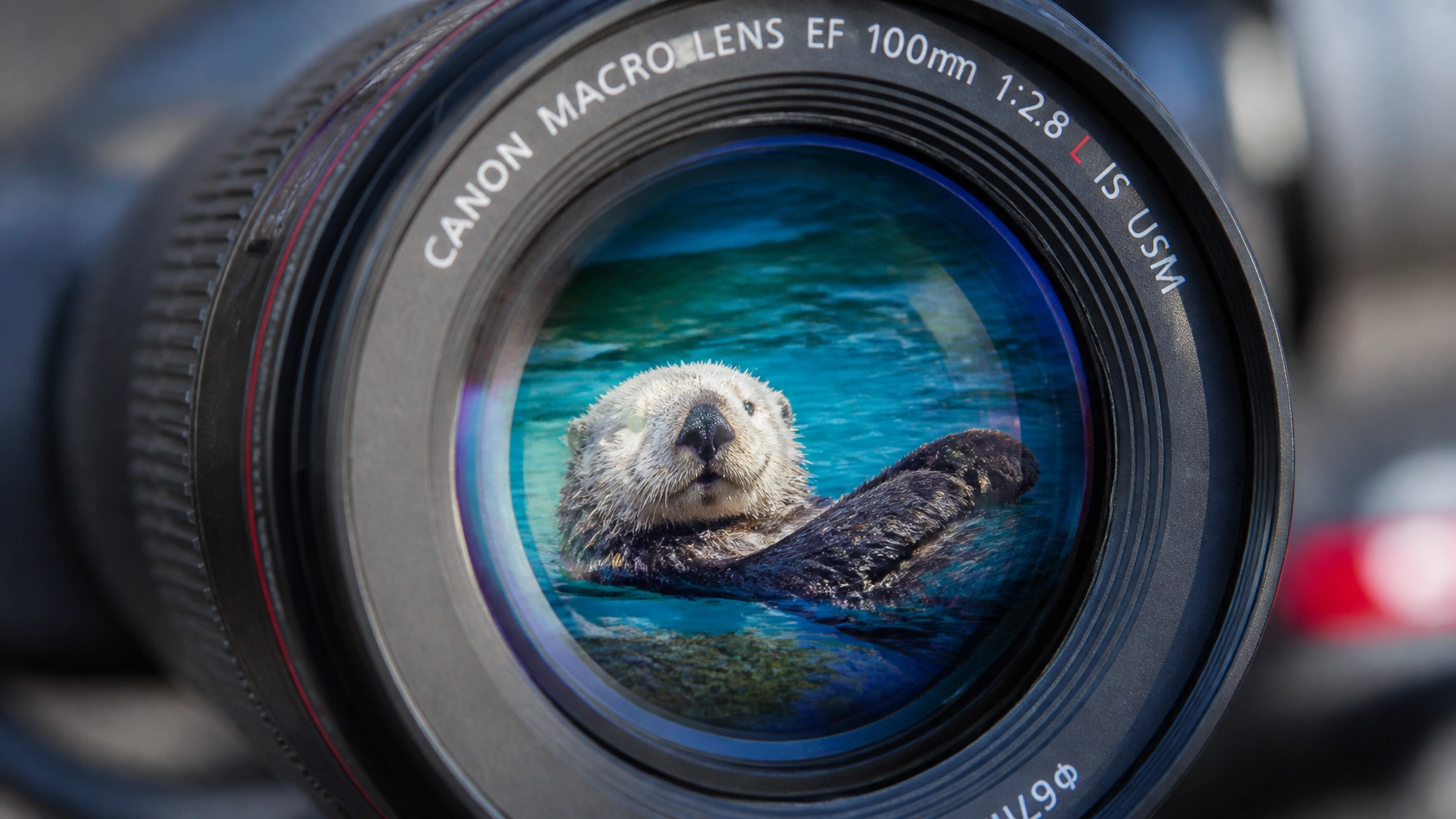
Monterey Bay Aquarium relaunched its viral "Don't Feed the Otters" fundraiser this month.
The campaign features a vintage 1990s t-shirt design.
Taylor Swift wore the original shirt in a recent film project.
Fan identification triggered massive demand.
The Data:
- Initial goal: $1.3 million.
- Total raised: Over $2.2 million.
- Timeframe: Less than 48 hours.
- Impact: Funding for the Sea Otter Program and ocean conservation.
Sustainability Details:
- 100% cotton material.
- PVC-free, water-based inks.
- No microplastic shedding.
- Plastic-free packaging and shipping.

Strategy: Leveraging Organic Celebrity Association
Celebrity endorsements are often expensive.
Organic associations are free and more authentic.
Monterey Bay Aquarium responded with speed and purpose.
Key Tactics:
- Archive Mining: The aquarium located original artwork from decades ago.
- Strategic Partnership: Collaborated with the original printer, Liberty Graphics.
- Scarcity: Framed as a limited-time thank-you perk for donors.
- Values Alignment: Matched the product's environmental footprint to the mission.
Why it worked:
- Authenticity over polish.
- Fans felt part of a "deep cut" cultural moment.
- The product had immediate utility and meaning.
Tip of the Day: Low-Cost PR via Creative Personification
Bristol Zoo Project launched a "dating profile" for a Konia eisentrauti cichlid.
This fish is critically endangered.
It is the only one of its kind recorded in the global zoo database (ZIMS).
The zoo dubbed it the "world’s loneliest fish."
The Campaign:
- Five-year-old "professional swimmer."
- Seeking a "short-term, open relationship."
- Goal: Find a mate to start a conservation breeding program.
Actionable Insight:
Personification creates empathy.
Small budgets can drive global reach through clever storytelling.
Target specialized communities (fish keepers, niche hobbyists) through broader human-interest angles.

Conservation Insight: Zero Roadkill in the Amazon
Brazil has adopted a rope canopy bridge design as its national highway standard.
A 15-month study in Alta Floresta provided the data.
The Results:
- 15,000 recorded safe crossings.
- Zero arboreal animals killed on the monitored road stretch.
- Animals include monkeys, marsupials, and rodents.
Design Strategy:
- Simple rope and mesh construction.
- Low cost compared to concrete underpasses.
- Rapid adoption by wildlife (often within weeks).
- National Department of Transport Infrastructure (DNIT) now mandates this for federal highways.
Takeaway:
Data-backed wins provide powerful marketing content.
Showing a "zero" metric (zero roadkill) is a definitive proof of success.

Species Spotlight: South Africa’s Free-Roaming Cheetahs
A national census concluded this month.
Findings are stark.
The Numbers:
- 83 mature free-roaming adults verified.
- Fewer than 100 breeding individuals total outside fenced reserves.
- Previous estimates were overstated by approximately 70%.
The Shift:
- Reclassification from "Vulnerable" to "Endangered" on the Regional Red List.
- Focus on private farmlands in Northern Cape, North West, and Limpopo.
- High mortality rates due to human-wildlife conflict and habitat fragmentation.
Marketing Perspective:
Honesty builds trust.
Reporting a decline is difficult but necessary for driving urgent conservation support.
Use hard data to reset expectations and mobilize communities.

About Zoo Imagery
Zoo Imagery provides high-resolution animal photography.
Our library supports creative professionals and marketers.
We offer imagery in landscape and portrait formats.
Our categories include Polar Bears, Wild Tigers, Giraffes, and Lions.
We also offer ZooMedia.us.
This app helps zoos leverage user-generated content.
It tracks ROI and engagement in real-time.
Contact Us
Professional animal photography for your next project.
Simple licensing. Stunning quality.
Visit zooimagery.com
Follow us on LinkedIn


