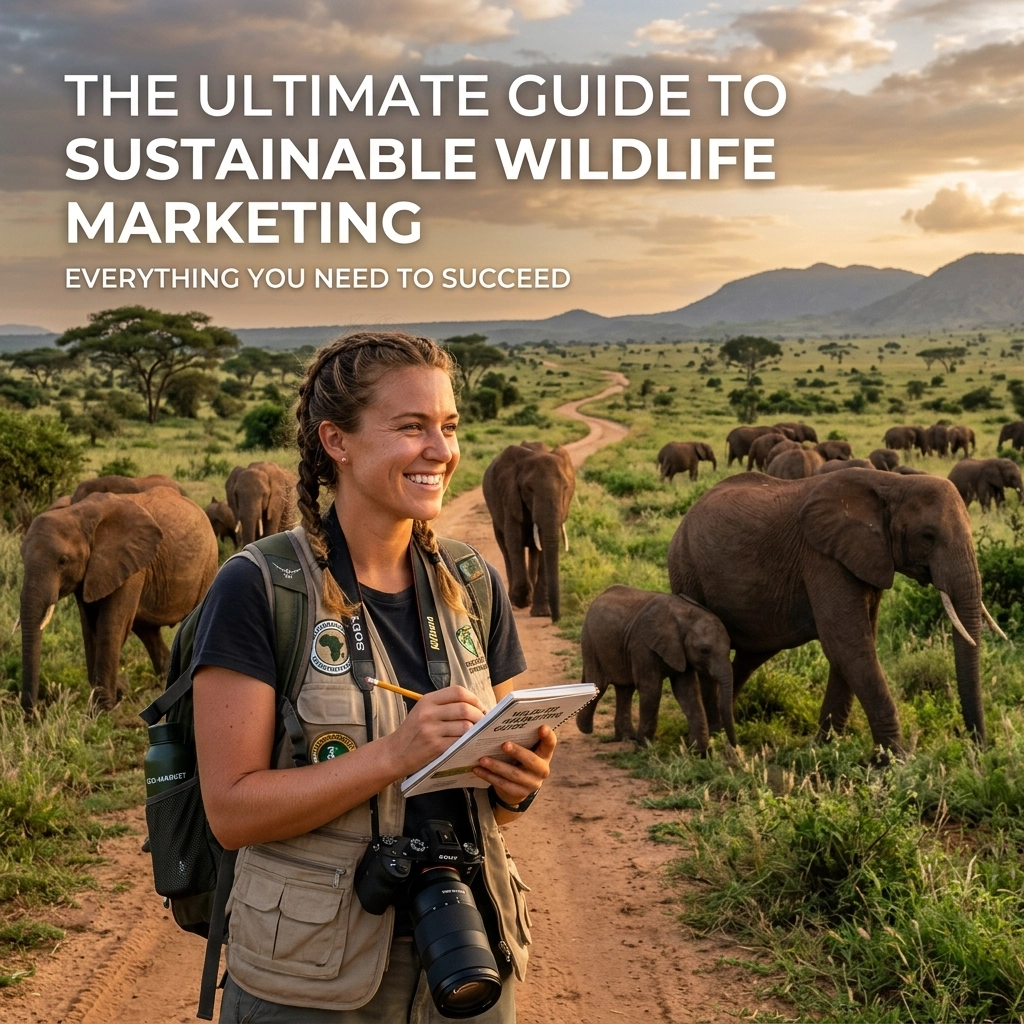
The Ultimate Guide to Sustainable Wildlife Marketing: Everything You Need to Succeed
Marketing for zoos, aquariums, and conservation groups has changed. It is no longer enough to show a picture of an animal and ask for a ticket sale. People want to know their money does something good.
They want impact. They want proof. They want sustainability.
Sustainable wildlife marketing is the practice of promoting animals and conservation in a way that respects the subject, funds the future, and stays honest with the audience.
No buzzwords. Just results.
1. The Core Principle: Authenticity Over Everything
If you claim to be sustainable, you must be.
Today’s audience is sharp. They spot a gimmick quickly. If your marketing says you save tigers, but your gift shop sells products that destroy tiger habitats, the campaign fails.
The Checklist for Authenticity:
- Research your supply chain.
- Verify your conservation data.
- State your goals clearly.
- Admit when a project is difficult.
Transparency builds trust. Trust drives donations and visits.
2. ESG-Aligned Campaigns (Without the Jargon)
ESG stands for Environmental, Social, and Governance. In our world, it means doing the right thing for the planet, the people, and the organization.
Forget the corporate labels. Focus on these three areas:
Environmental Impact
Show the habitat. Marketing often focuses only on the animal. Zoom out. Show the forest. Show the ocean. Explain why the space matters as much as the species.
Social Responsibility
Who lives near the wildlife? Sustainable marketing includes the people. Highlight local communities. Show the rangers. Use imagery that reflects the humans protecting the animals.
Governance and Ethics
Be honest about where the money goes. If a campaign raises $10,000, tell people how much went to the field.

3. The Power of "Sponsored Species"
One of the most effective trends in 2026 is the "Presented by" animal page. This is a direct connection between a sponsor and a specific species.
How it works:
- A brand or donor sponsors a specific animal (e.g., a Snow Leopard).
- All marketing for that animal features the sponsor’s support.
- The content focuses on specific milestones: births, health checks, or habitat improvements.
This is not a traditional ad. it is a partnership. It gives the sponsor a story to tell and the zoo a consistent stream of support.
4. Visual Storytelling: The Role of Imagery
You cannot tell a story without a photo. But not all photos are equal.
Sustainable marketing requires imagery that feels real. People are moving away from overly polished, studio-style shots. They want raw moments.
What to look for in your media library:
- Behaviors: Animals doing what they naturally do.
- Context: An animal in its actual environment, not against a concrete wall.
- Interaction: Keepers working with animals. This shows the "Social" part of your mission.
Using high-quality stock photography allows you to keep your content fresh without constantly disturbing the animals with camera crews.

5. The Concept of "Wildlife Imagery Royalty"
When you use a photo of a threatened species to sell a product, that species should benefit. This is a growing standard in the industry.
Consider setting aside a small percentage of campaign profits for the species featured in the ads.
Why this works:
- It creates a closed loop.
- It provides a clear metric for success.
- It proves the marketing is not exploitative.
Even a small contribution makes a difference. It changes the animal from a "mascot" into a "beneficiary."
6. Marketing Insights for Zoos and Aquariums
If you run a zoo or aquarium, your marketing should feel like a daily newsletter. It should be a constant stream of updates, not just a seasonal push for memberships.
Content Themes to Use Regularly:
- Behind the Scenes: Show the kitchen. Show the vet clinic.
- Conservation Spotlights: Feature a field project once a week.
- Trend Reports: Share news about wildlife from around the world.
Keep it simple. Keep it direct. Use fragments. Be the source of truth for your followers.

7. Strategic Design Choices
Your brand's visual identity should reflect your commitment to the earth.
- Color Palettes: Use earth tones. Greens, browns, and deep blues.
- Typography: Simple, readable fonts. Avoid anything that looks too "corporate."
- White Space: Let your content breathe. Do not clutter your ads with too many words.
A clean design suggests a clean mission.
8. Avoiding the "Greenwashing" Trap
Greenwashing is making false or misleading claims about environmental benefits. It is the fastest way to lose your audience.
Avoid these mistakes:
- Using "eco-friendly" as a catch-all term.
- Making vague promises like "Saving the planet."
- Using stock photos of animals that have no connection to your actual work.
Instead, do this:
- Be specific. "We protected 50 acres of wetlands."
- Be local. "We supported the local bee population."
- Be real. "We are still working on reducing our plastic use."
Honesty is more valuable than perfection.

9. Reaching the Modern Consumer
The average consumer in 2026 is looking for more than a transaction. They are looking for alignment.
Gen Z and Gen Alpha Trends:
- They prefer video over text.
- They value animal welfare above all else.
- They want to see the "why" behind the "what."
Use your marketing to educate. Don't just tell them to buy a ticket. Tell them why that ticket matters for the survival of a species.
10. Building a Sustainable Content Calendar
Sustainable marketing is a marathon. You need a plan that you can maintain without burning out your team.
The Weekly Rhythm:
- Monday: Animal fact. Keep it short.
- Wednesday: Conservation update. Show the impact.
- Friday: Call to action. Link to the website.
Consistency is more important than intensity.

11. Final Checklist for Success
Before you launch your next campaign, ask yourself:
- Is the imagery authentic?
- Does this support a real conservation goal?
- Are the claims specific and verifiable?
- Is the tone simple and direct?
- Does the species benefit from this marketing?
If the answer is yes, you are ready.
About Zoo Imagery
We provide the high-quality digital media you need to tell these stories. Our library is built for zoos, aquariums, and conservationists who need professional imagery that aligns with their mission. Simple, effective, and ethical.
Ready to upgrade your campaign?
Visit us at zooimagery.com to browse our collection or follow our latest updates on LinkedIn.
Get the right images. Tell the right story. Help the animals.


