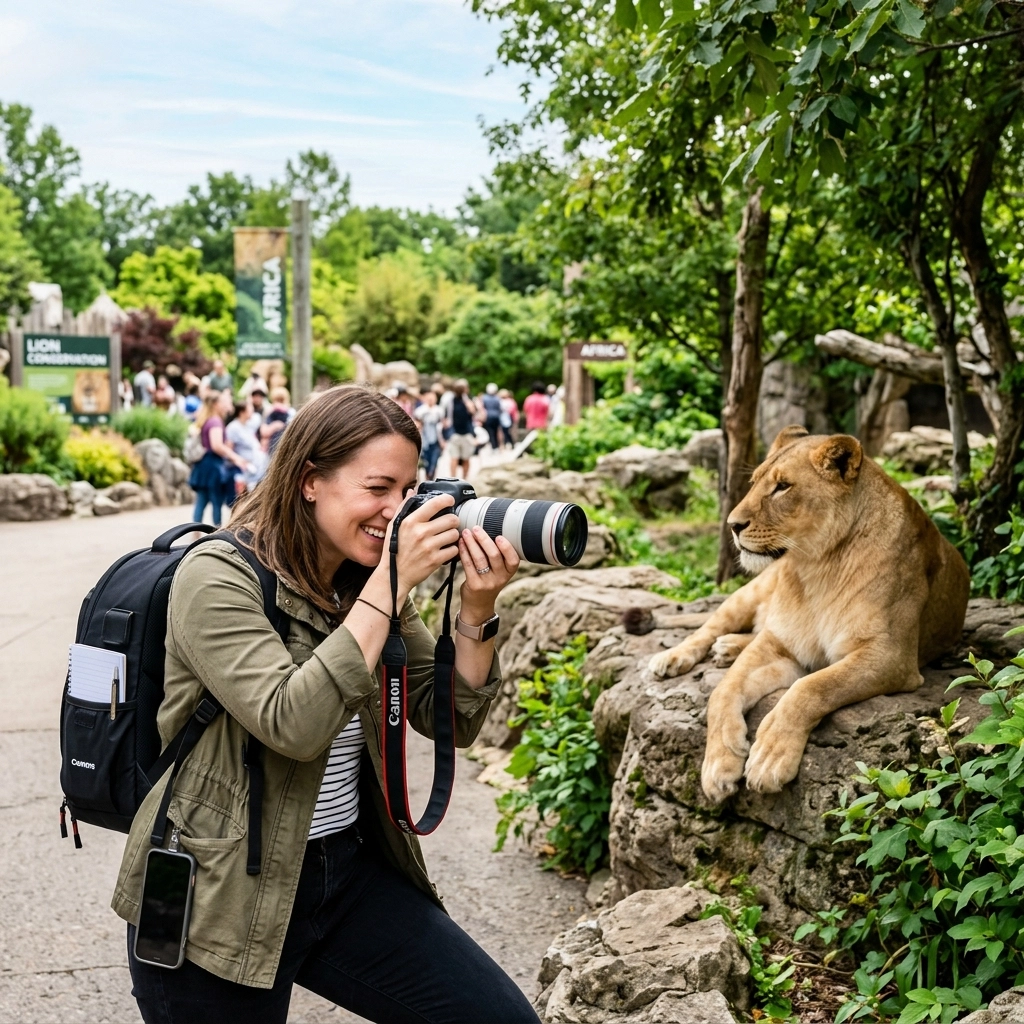
5 Steps How to Master Your Zoo Marketing and Animal Photography (Easy Guide for Marketers)
Zoo marketing is changing. It is no longer just about posting a photo of a cute animal. It is about conservation storytelling. It is about impact. High-quality imagery is the foundation of this change.
If you are a marketer for a zoo or aquarium, your visual assets are your most important tools. They drive ticket sales. They inspire donations. They educate the public.
This guide simplifies the process. We have broken down the path to better zoo marketing into five actionable steps.
Step 1: Prioritize Quality Over Quantity
Marketing success starts with the lens. You do not need thousands of average photos. You need a few dozen world-class images.
Focus on the Eyes
The eyes create the connection. When a viewer looks into the eyes of a lion, they feel a bond. This bond leads to action. Ensure your photography focuses sharply on the eyes.
Use Natural Lighting
Avoid harsh midday sun. Aim for the golden hour. Early morning or late afternoon light creates depth. It highlights textures in fur and scales. It makes the animal stand out from the background.
Remove Distractions
A marketing photo should feel wild. Avoid capturing fences, signs, or concrete. Use a shallow depth of field to blur the background. If you cannot get the perfect shot on-site, high-quality stock photography is a professional alternative.

Step 2: Use the Three-Pillar Content Strategy
Effective marketing is intentional. Every image you post should serve a specific purpose. At Zoo Imagery, we categorize visual content into three pillars.
Pillar 1: Awareness
Awareness content introduces the species. It highlights beauty and rarity. These are often striking portraits. The goal is simple: make people care.
- Best for: Social media feeds, posters, and website headers.
- Example: A close-up of wild tigers in high resolution.
Pillar 2: Fundraising
Fundraising imagery is emotional. It shows the work behind the scenes. It features rescued animals or those in rehabilitation programs. It shows the connection between the animal and the care team.
- Best for: Donation pages and email newsletters.
- Goal: Convert empathy into financial support.
Pillar 3: Behavioral Change
This is the most difficult pillar. It uses imagery to influence how people live. Use photography to show the environment the animal relies on. Pair the image with a simple call to action, like reducing single-use plastics.
- Best for: Educational displays and conservation reports.
- Example: A polar bear on thinning ice to discuss climate change.
Step 3: Implement Species Spotlights
Don't try to market the whole zoo at once. Focus your efforts. A "Species Spotlight" allows you to go deep into the story of one animal.
Monthly Focus
Choose one species per month. For May, perhaps you focus on pandas.
- Share facts.
- Share high-res photos.
- Share the specific conservation projects your zoo supports for that species.
Narrative Consistency
Use consistent imagery across all channels during the spotlight. If you are using a specific shot for your physical signage, use the same high-res file on your LinkedIn and Instagram. This builds recognition.

Targeted Data
Pair your spotlight with hard numbers.
- Number of animals left in the wild.
- Acres of habitat protected by your zoo.
- Number of offspring born at your facility.
Plain numbers build trust. They show that your zoo is making a real difference.
Step 4: The "Presented By" Sponsorship Model
Modern zoo marketing should include corporate partners. This is where the "Presented by" model excels. It allows brands to align with your conservation mission.
Aligning with ESG Goals
Companies today have Environmental, Social, and Governance (ESG) targets. They want to support wildlife. You provide the platform.
Sponsored Animal Pages
Create dedicated pages for specific animals on your website. For example, a giraffe page "Presented by [Local Partner Name]."
- The partner gets brand visibility.
- The zoo gets funding for habitat maintenance.
- The animal gets the spotlight.
Species Spotlights for Partners
Offer your Species Spotlight as a sponsorship package. A corporate partner can sponsor "Tiger Month." Their logo appears alongside your premium animal photography. This creates a positive association for the brand and a revenue stream for the zoo.

Step 5: Master Your Media Library
A marketer is only as fast as their library. If you cannot find a photo of a hyena in thirty seconds, your system is broken.
Professional Organization
Don't hide files on local hard drives. Use a centralized media library.
- Tag by species: Use common and scientific names.
- Tag by use case: Awareness, Fundraising, or Behavioral Change.
- Store high-res: Always keep the original files. You never know when you need to print a billboard.
Consistent Quality
Ensure every photo in your library meets a standard. If a photo is blurry or has a distracting fence in the background, delete it. A clean library of 100 perfect photos is better than a messy library of 5,000 mediocre ones.
Leverage Expert Contributions
Sometimes your team can't get the shot. Use professional contributors. At Zoo Imagery, we work with photographers like James Black and DakDan to provide images that are ready for immediate marketing use.
Strategic Integration
Once you have the photos and the strategy, you must execute. Integration means your photos work together across every touchpoint.
Social Media
Keep it simple. Use one high-quality image and a short caption. Let the animal do the talking. Avoid marketing jargon. Focus on the conservation facts.
Physical Space
The imagery inside your zoo should match the imagery on your website. This creates a seamless brand experience. Use large-scale prints for maximum impact.
Professional Networking
Use platforms like LinkedIn to share your successes. Share your "Presented by" partnerships. Share your conservation data. Connect with other industry professionals to see what is working for them.
Summary of Best Practices
- Be direct: State your conservation goals clearly.
- Be simple: Use clean images with minimal distractions.
- Be honest: Use real data to support your claims.
- Be strategic: Use the three-pillar model for all content.
- Be collaborative: Use sponsorship models to fund your mission.
Zoo marketing is about more than just entertainment. It is about the survival of species. Better photography leads to better storytelling. Better storytelling leads to a better future for wildlife.

Ready to upgrade your visual assets?
Visit zooimagery.com to explore our library of professional animal photography.
Connect with us on LinkedIn to stay updated on the latest in zoo marketing and conservation storytelling.


