The Ultimate Guide to Sustainable Wildlife Marketing: Everything You Need to Succeed
Wildlife marketing is changing. Audiences are tired of staged photos and empty promises. They want truth. They want impact. They want to see the real work.
To succeed in 2026, your marketing must be direct. It must be honest. It must show results. This guide explains how to build a strategy that respects animals and engages visitors.
The Shift Toward Responsibility
Marketing is no longer just about selling tickets. It is about demonstrating value.
Visitors care about how animals are treated. They care about where their money goes. If your marketing feels fake, you lose their trust.
The core principles:
- Accuracy: Show animals as they are. No filters. No unrealistic editing.
- Proof: Document your conservation work. Show the data.
- Connection: Let visitors tell their own stories.
Harnessing Real Moments
Traditional advertising is losing its edge. People trust other people more than they trust brands. This is where user-generated content (UGC) becomes your strongest asset.
The Role of Guest Photos
Every guest has a camera. Every photo they take is a potential advertisement. When a guest shares a photo, they are giving you a testimonial. It is authentic. It is free.
The ZooMedia.us phone app simplifies this. It allows guests to share their photos instantly. This creates a stream of fresh, honest content.
Why this works:
- Trust: A photo from a visitor feels real.
- Reach: Guests share with their own networks.
- Volume: You get more content than a single photographer could ever produce.

Measuring the Impact
Marketing without data is just guessing. You need to know what works.
- Which animals get the most shares?
- What time of day are people most active?
- Which exhibits drive the most digital engagement?
The ZooMedia app provides these results in real-time. You can track ROI. You can see which photos are attracting new visitors. This is utilitarian marketing. It is focused on results.
Visual Integrity in Professional Content
UGC is important, but you still need high-quality professional assets. These are for your website, your banners, and your main campaigns.
Avoiding the AI Trap
AI-generated images are becoming common. They are often cheaper. However, they lack soul. In wildlife marketing, they can be dangerous.
If you use an AI image of a wild tiger, and it looks perfect but unreal, you undermine your credibility. Wildlife photography is about capturing a moment in nature. AI cannot do that.
Professional Photography Standards:
- Natural Lighting: Use the "Golden Hour." Avoid flat, artificial light.
- Detail: Capture the texture of fur, the clarity of an eye, the movement of water.
- Context: Show animals in their natural or thoughtfully designed habitats.

Leveraging Stock Libraries
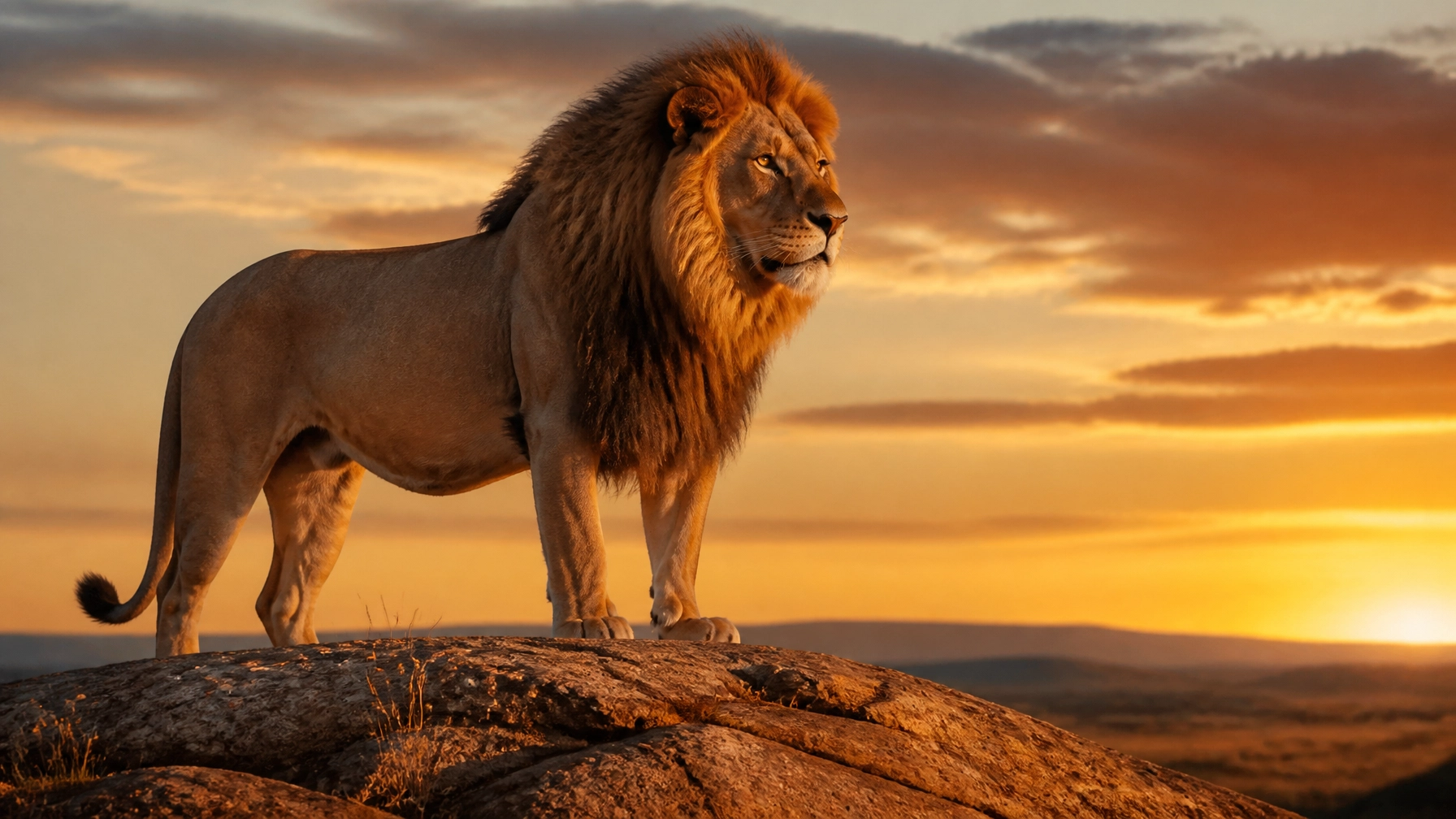
You don't always have the budget for a custom shoot. This is why we provide a library of stunning animal photography. Whether you need lions, polar bears, or fish, quality matters.
Our library offers both landscape and portrait formats. It is designed for creative professionals. It saves time. It saves money. It keeps your brand looking sharp.
Storytelling Through Conservation
People don't just want to see animals. They want to save them. Your marketing should reflect this goal.
Avoid buzzwords. Don't talk about "synergy" or "holistic approaches." Talk about what you are actually doing.
Effective Storytelling Tactics:
- Species Spotlights: Focus on one animal. Explain the challenges it faces. Show how your institution is helping.
- Behind the Scenes: Show the keepers. Show the vets. Show the work that goes into animal welfare.
- Plain Data: "We funded the restoration of 500 acres of habitat." This is more powerful than "We are committed to the environment."

Aligning with Modern Expectations
In 2026, "responsible growth" is the standard. This means:
- Transparency: Be open about where funding goes.
- Education: Every marketing piece should teach the audience something.
- Action: Give visitors a clear way to help.
Strategic Planning for Zoo Marketers
Success requires a plan. It requires the right tools.
- Audit Your Assets: Look at your current photos. Are they outdated? Do they feel "stocky"? Replace them with authentic imagery.
- Deploy Technology: Use the ZooMedia app to start gathering guest content today.
- Refine Your Voice: Strip away the marketing jargon. Speak directly to your visitors.
- Monitor Trends: Stay updated on wildlife trends and visitor behavior.

Conclusion
Sustainable wildlife marketing is simple. Be honest. Be high-quality. Be useful.
Use real photos. Empower your guests. Track your results.
Zoo Imagery is here to help. We provide the visuals you need to tell your story. We provide the tools to engage your audience.
Ready to upgrade your marketing?
Visit zooimagery.com to browse our library or learn about the ZooMedia app.
Follow us on LinkedIn for more insights.


