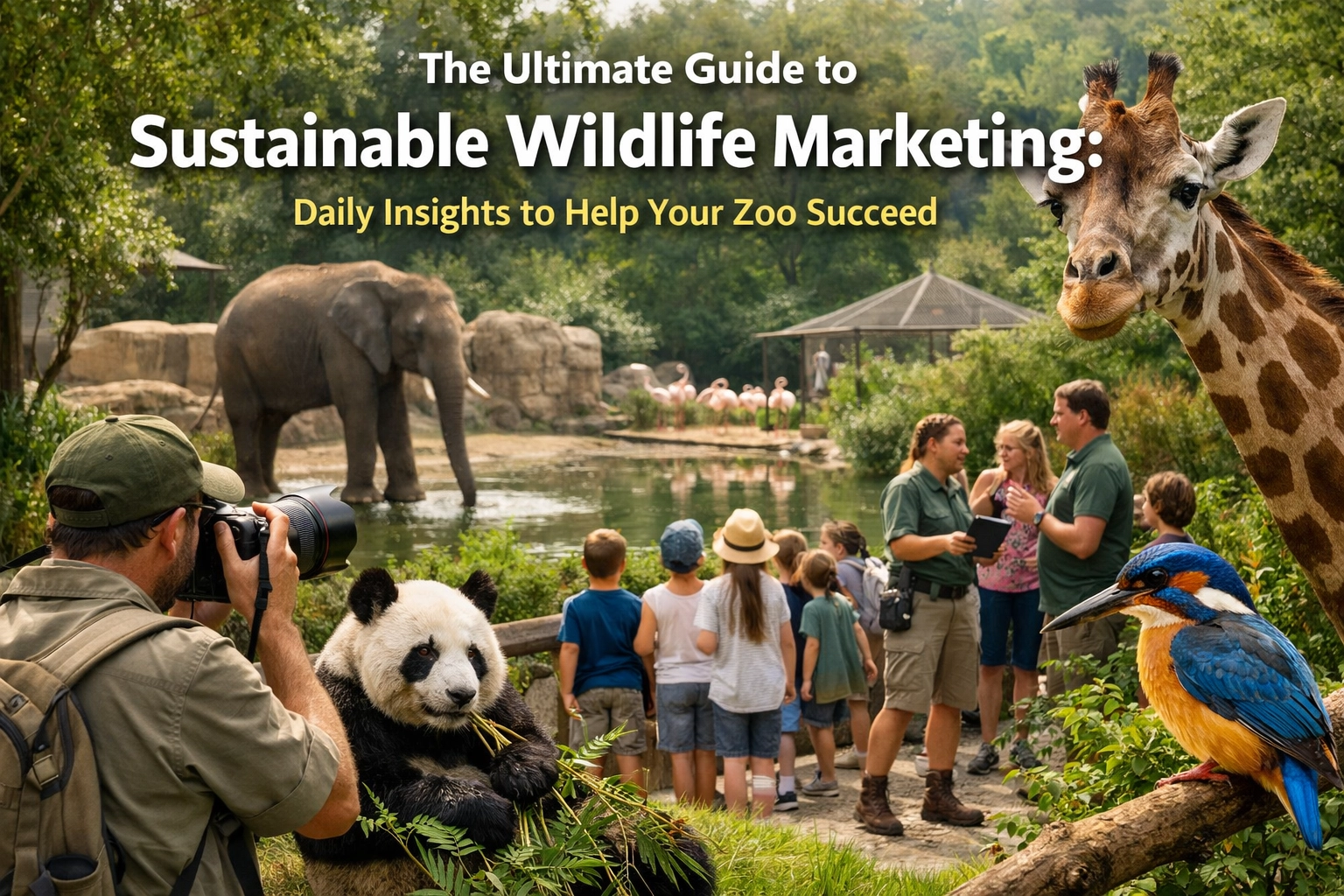
The Ultimate Guide to Sustainable Wildlife Marketing: Daily Insights to Help Your Zoo Succeed
Marketing a zoo or aquarium today requires a shift. Visitors want more than a day out. They want to know their ticket price helps the planet. At Zoo Imagery, we see how the best organizations handle this.
It isn't about fancy slogans. It is about truth.

The Conservation-First Brand
Stop selling entertainment. Start selling a mission.
Your brand should be a conservation organization that happens to have animals. This change impacts everything. It changes your website, your social media, and your signs.
- The Website: Move conservation to the front. Don't hide your impact reports in the footer.
- The Narrative: Focus on species protection. Explain how you help animals in the wild.
- The Results: Use numbers. Tell people exactly how many animals were released or protected this year.
People stay engaged with missions. They don't just visit once; they join. They become members because they believe in what you do.
Visual Authenticity
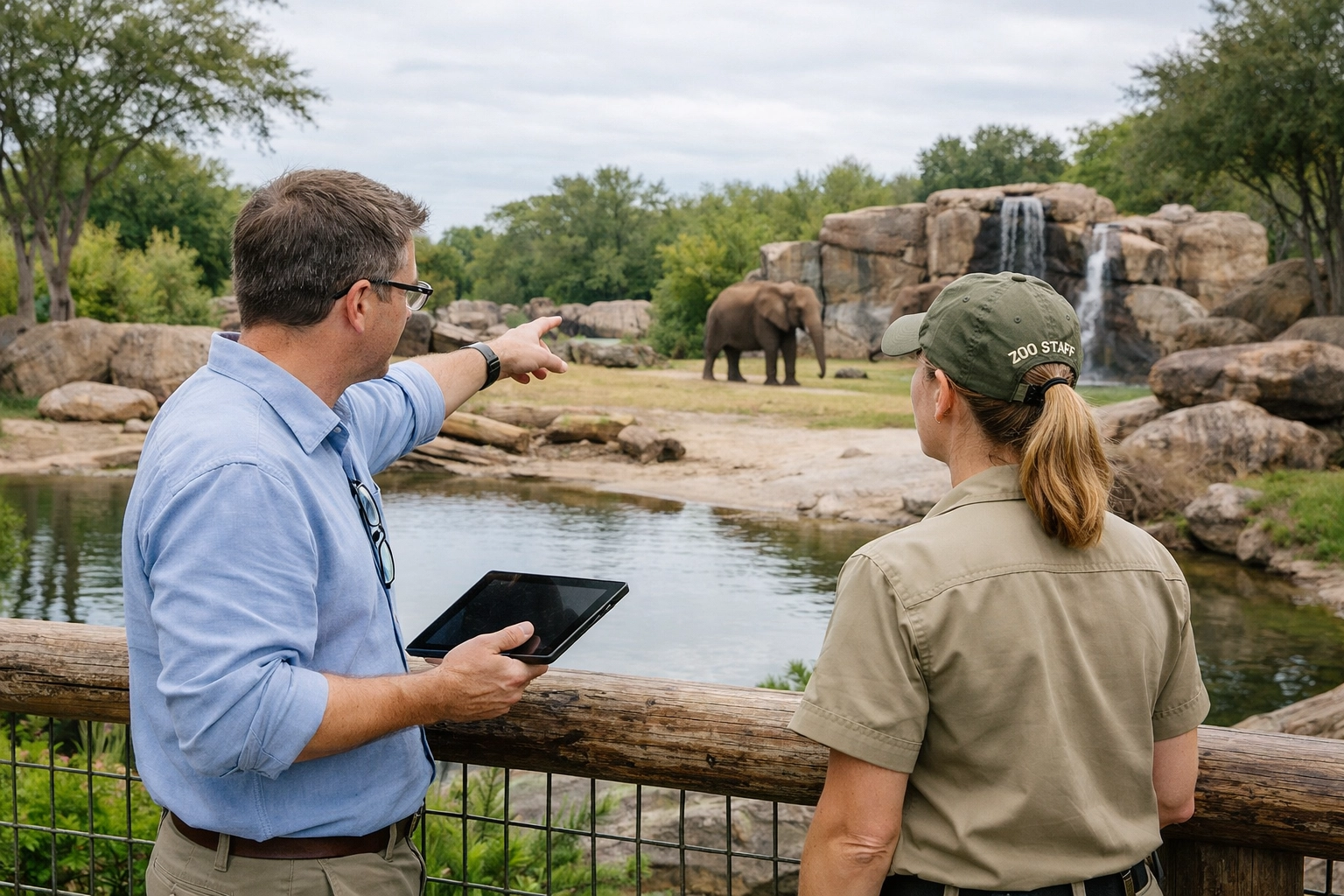
Modern audiences spot fake marketing quickly. Stock photos of happy families are fine. High-quality, real imagery of your animals and your team is better.
Immersive Exhibits
Design exhibits that mimic nature. This is good for animals. It is also good for marketing. Natural backgrounds make for better photos. When visitors take pictures and share them, your zoo looks like a wild space, not a cage.
Behind-the-Scenes Access
Show the work. People love to see:
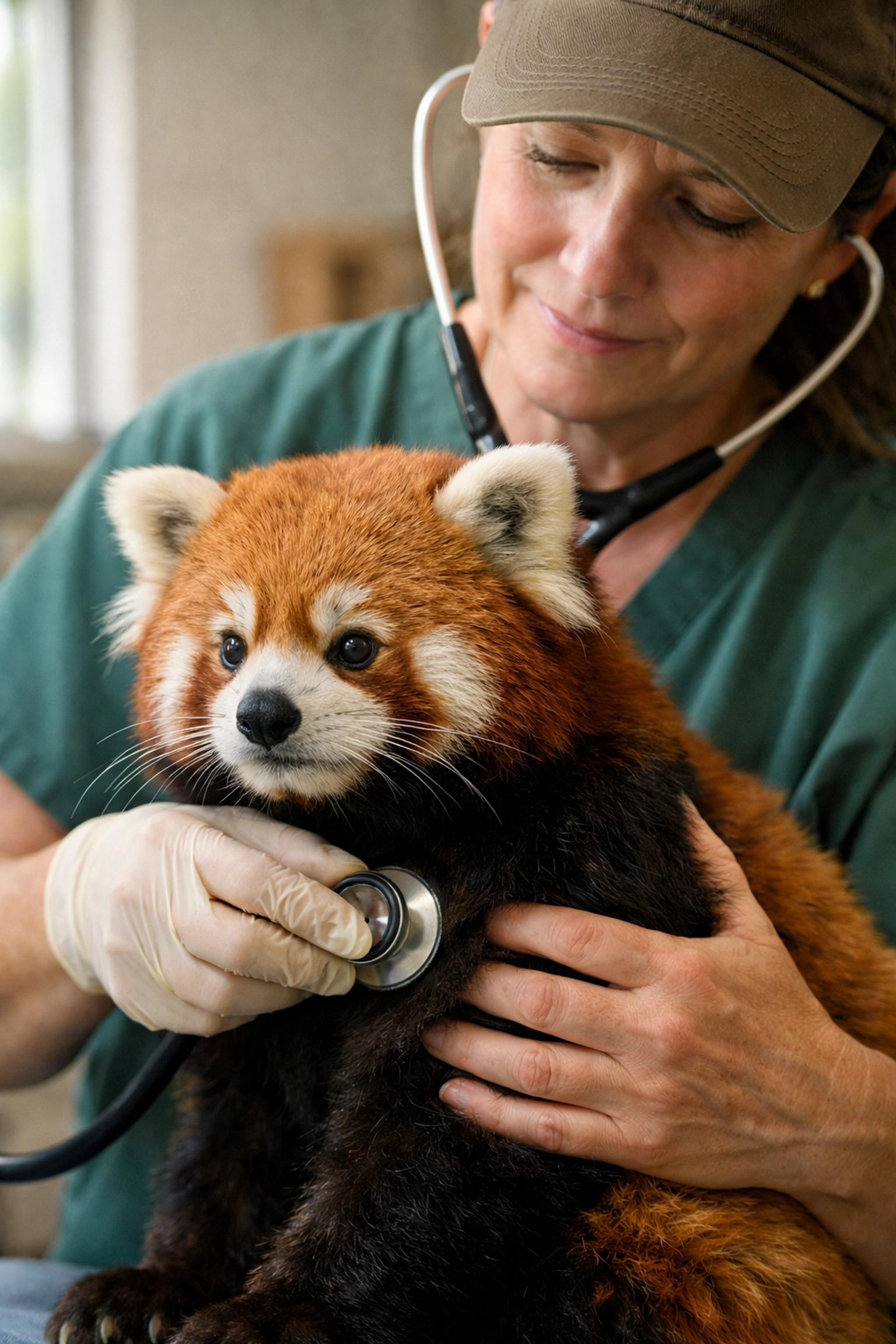
- Veterinary check-ups.
- Daily feeding routines.
- Enrichment activities (toys and puzzles for animals).
- New arrivals and hatchlings.
Use high-quality imagery to document these moments. Share them regularly. It builds trust. It shows you care.
ESG-Aligned Operations (Without the Buzzwords)
Environment, Social, and Governance (ESG) sounds corporate. In a zoo, it just means being a good neighbor to the planet. You don't need the jargon. You need the action.
Visible Sustainability
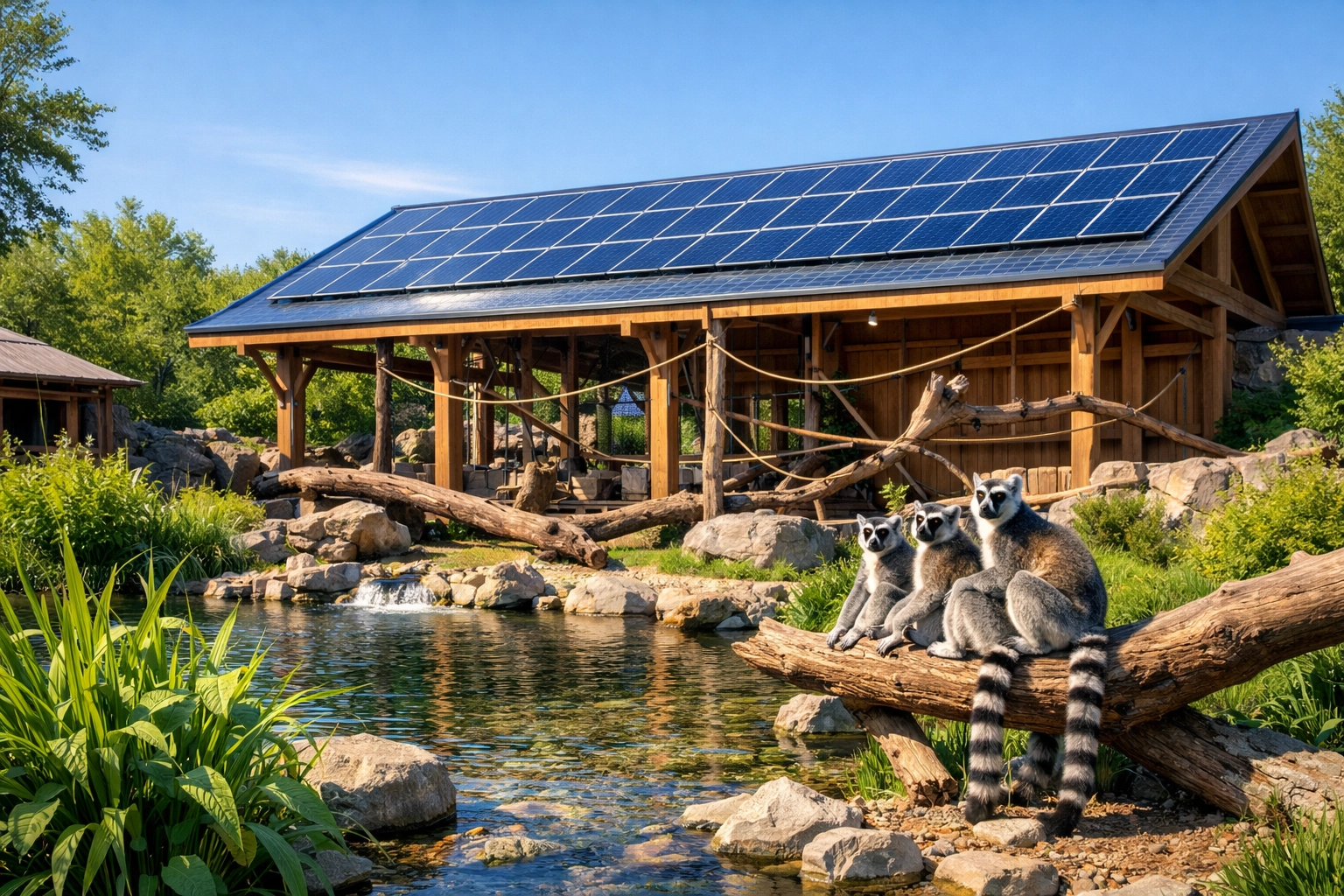
Don't hide your solar panels. Put a sign next to them.
- Energy: Use renewable sources. Mention if your waste helps create biogas.
- Waste: Move to plastic-free dining. Show your composting systems.
- Water: Explain how you recycle water in your tanks or ponds.
- Food: Source local. If your cafe serves sustainable seafood, tell the story.
When visitors see these practices, your conservation message feels real. It isn't just talk. It is how you run the business.
Daily Marketing Insights: A 5-Day Plan
Running a zoo is a 24/7 job. Your marketing should reflect that daily rhythm. Here is a simple framework for a week of sustainable marketing content.
Monday: The Mission Alignment
Start the week with a "Why."
- Share a post about a specific species you are working to save.
- Link it to your About Us page.
- Focus on the "Presented by" model. Every species spotlight should feel like a dedicated story.
Tuesday: Operations in Action
Show a sustainability win.
- Photo of your recycling program or solar array.
- Simple caption: "This powers our tiger habitat."
- No fluff. Just the facts.
Wednesday: The Education Bridge
Zoos are outdoor classrooms.
- Post a video of a keeper talk.
- Share a fact that a child can remember.
- Encourage families to visit for a specific educational program.
Thursday: Community Roots
Zoos belong to their cities.
- Highlight a local partnership.
- Show a university researcher working on-site.
- Mention a local school field trip.
Friday: Species Spotlight
Focus on a single animal.
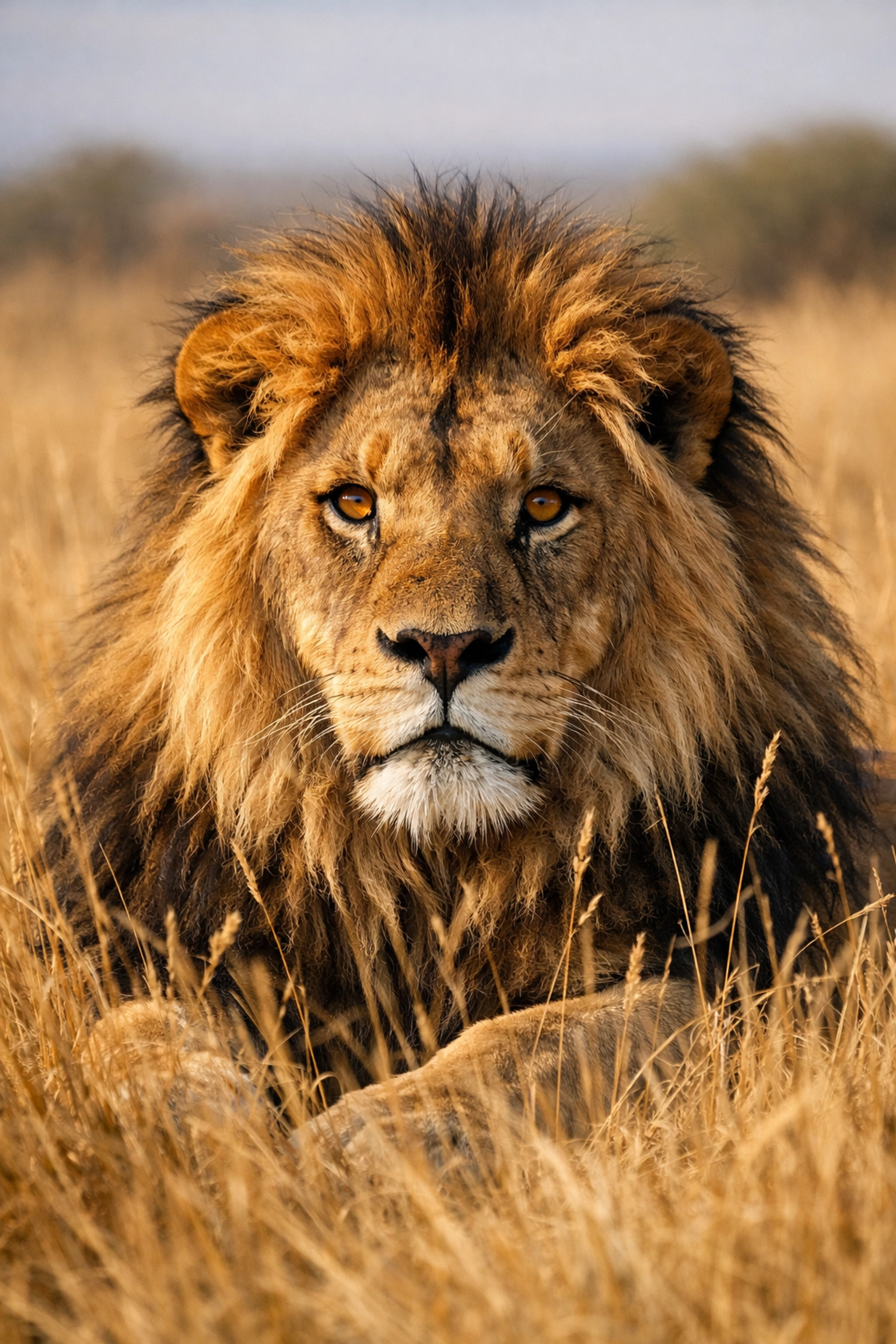
- Use a stunning, professional image.
- Tell its name. Tell its story.
- Explain the status of its cousins in the wild.
Interactive Learning
Move away from passive viewing. A visitor who just walks by an enclosure learns very little. A visitor who engages stays longer and returns sooner.
Touch and Talk
- Touch Pools: Great for aquariums. Physical connection creates empathy.
- Keeper Talks: Schedule these throughout the day. They are the most popular part of any visit.
- Augmented Reality: Simple QR codes can show conservation data. No need for expensive apps. Just a link to a mobile-friendly page with clear info.
Behavioral Change
Don't just tell people to save water. Show them how. Give them one simple tip they can use at home. When your zoo becomes a resource for living better, your value grows.
Differentiating Your Audience
You have two main groups. Speak to them differently.
- Tourists: They want a "must-see" experience. Partner with hotels. Emphasize unique species they can't see anywhere else. Focus on the "one-day" adventure.
- Locals: They are your lifeline. Focus on memberships. Highlight seasonal events and rotating exhibits. Make the zoo a weekend habit, not a yearly trip.
Strategic Partnerships
You don't have to do it alone. Credibility grows when you work with others.
- Wildlife Rehab: Show your work with local animal rescues.
- Universities: Document the science happening at your facility.
- Conservation Influencers: Invite people who actually care about the environment to share your story.
Communicating Impact Simply
Avoid complex graphs. Use simple statements.
- "Your visit helped us plant 500 trees."
- "This membership supports three rhino rangers."
- "We are 100% plastic-free in our cafes."
Direct language is powerful. It cuts through the noise of modern advertising. It feels honest.
Why Quality Imagery Matters
You can have the best conservation program in the world. If your photos are blurry or dark, no one will notice. High-quality digital media is the bridge between your work and the public.
At Zoo Imagery, we provide the visual tools to tell these stories. We believe simple, beautiful imagery is the most effective way to communicate complex conservation needs.
Checklist for your daily content:
- Is the image clear and professional?
- Does the caption explain a conservation benefit?
- Is there a simple action the reader can take?
- Does it avoid marketing buzzwords?
Moving Forward
Sustainability isn't a trend. It is the future of the zoo and aquarium industry. The organizations that thrive will be the ones that integrate these practices into their DNA and communicate them clearly to their audience.
Start small. Change one sign. Share one behind-the-scenes photo. Be transparent about your challenges and proud of your wins.
For more insights on how to improve your zoo’s digital presence, visit our blog.
Let’s Work Together
We help zoos and aquariums tell their stories through professional photography and digital media solutions. Our focus is on quality and simplicity.
Ready to upgrade your visual assets?
- Explore our work at zooimagery.com
- Connect with us on LinkedIn
- Contact our team to discuss your next campaign.
No buzzwords. No fluff. Just better imagery for a better planet.


