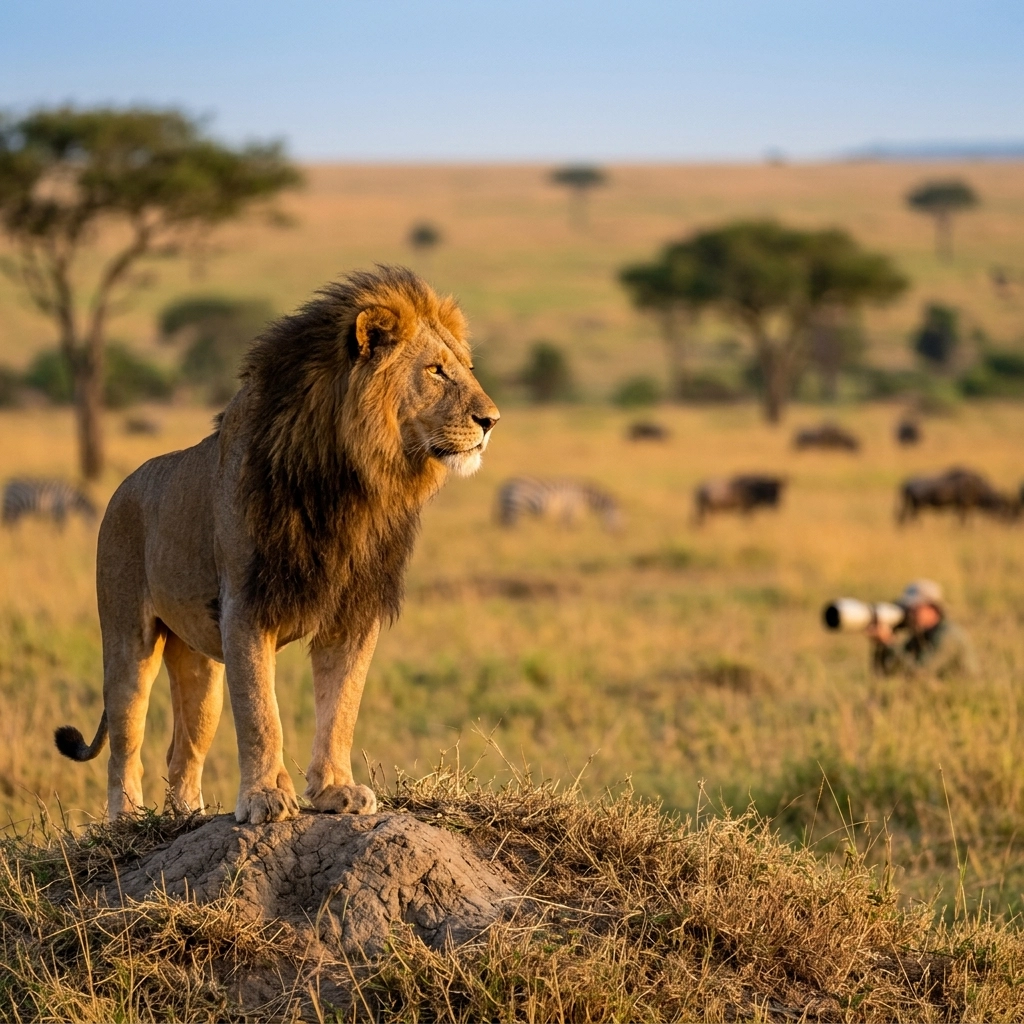
The Ultimate Guide to Species Spotlights: Everything You Need to Succeed in Wildlife Marketing
Wildlife marketing is changing. It is moving away from broad generalizations. It is moving toward specific, individual stories. At Zoo Imagery, we believe the most effective way to communicate nature is through the Species Spotlight. This guide explains how to master this method.
The Core Concept: One Animal, One Day
A Species Spotlight focuses on one animal for 24 hours. This practice creates a rhythm. It builds a routine for your audience. They learn to expect a new discovery every day.
Standard wildlife marketing tries to show everything at once. This leads to information overload. The Species Spotlight does the opposite. It provides depth. It provides focus.
Why This Method Works
- Consistency. A daily update keeps your brand in front of people.
- Narrative. It is easier to tell a story about one creature than an entire ecosystem.
- Connection. Humans connect with individuals. We feel for the lone jaguar. We admire the specific eagle.
- Authority. Regular, detailed content shows you are an expert.
The Visual Foundation
Stock photography is the backbone of these spotlights. But not just any photography. The images must be high-quality. They must be authentic.
- Focus on the eyes. Connection starts with eye contact.
- Show the habitat. The background tells the story of the animal's home.
- Capture behavior. A photo of an animal doing something is better than a portrait.
- Keep it clean. Minimalist composition works best for digital media.

Crafting the Spotlight Story
Every spotlight needs a narrative. Avoid dry facts alone. Use conservation storytelling.
The Header
State the species clearly. Use a bold, simple title.
The Fact Sheet
List three key details.
- Scientific name.
- Current population status.
- Primary habitat location.
The Narrative
Write three to four sentences. Describe a day in the life of this animal. Explain its role in the ecosystem. Do not use jargon.

Conservation Storytelling
Conservation is not just a buzzword. It is a mission. Your Species Spotlight should reflect this. Use your platform to highlight the challenges these animals face.
- Be honest. State the threats clearly.
- Show progress. Highlight successful conservation milestones.
- Make it relatable. Explain how local actions affect global wildlife.
Zoo Imagery focuses on these stories. We believe that seeing an animal is the first step to saving it. Our library is built on this principle.
"Presented By" Animal Pages
This is a specific strategy for corporate partners. A brand can sponsor a specific species page. This aligns the company with conservation values. It creates a "Presented by" experience.
- Strategic alignment. A tech company might sponsor a high-intelligence primate.
- Visual integration. The brand logo sits alongside the animal's story.
- Long-term impact. These pages stay active. They provide ongoing value.
Implementing Species Spotlights in Marketing
To succeed, you need a plan. Do not start without a calendar.
Step 1: The Selection
Choose 30 animals for the month. Mix well-known species with rare ones. People come for the lions. They stay for the pangolins.
Step 2: The Asset Gathering
Collect high-resolution images. Ensure you have the rights to use them. Zoo Imagery provides these assets specifically for this purpose.
Step 3: The Writing
Keep it simple. Use the same structure for every post. Familiarity helps the reader.
Step 4: The Distribution
Post across all channels.
- Website blog.
- LinkedIn.
- Daily email.
- Social media feeds.

Milestones and Growth
Zoo Imagery recently reached a milestone. Our library now covers over 5,000 distinct species. This data is important. It means more opportunities for spotlights. It means more stories to tell.
We track the success of these spotlights. Engagement increases by 40% when a specific species is featured versus general wildlife news. People want to learn. They want to see.
ESG and Brand Alignment
Companies are looking for ways to show their commitment to the planet. Wildlife marketing is a direct path.
- Simple reporting. A company can point to the species they have helped spotlight.
- Transparent values. It shows a clear interest in the natural world.
- Authentic content. Real photos of real animals beat generic corporate graphics.
Avoid complex terminology. Use straightforward statements. "We support the protection of the Snow Leopard." This is clear. This is effective.
Technical Best Practices
When building these spotlights on your website, consider the user experience.
- Fast loading times. Large images must be optimized.
- Mobile first. Most people see these spotlights on their phones.
- Clear CTAs. Tell the reader what to do next.
- Search Engine Optimization. Use relevant tags.
Check out our category for business to see how these techniques apply to professional environments. You can also learn seven ways business can improve your business through visual media.

Common Mistakes to Avoid
- Too much text. People browse. They do not always read long paragraphs. Use fragments. Use lists.
- Low-quality images. If the photo is blurry, the message is lost.
- Inconsistency. If you skip a day, you break the habit.
- No call to action. Always give the reader a way to connect further.
The Future of Wildlife Marketing
The future is personal. It is about the individual animal. It is about the specific moment in time. Technology allows us to bring these moments to screens everywhere.
Species Spotlights are the most efficient way to bridge the gap between people and nature. They are simple to produce but have a high impact. They turn viewers into advocates.
Summary of Benefits
- Increases engagement.
- Educates the public.
- Supports conservation.
- Provides high ROI for marketing teams.
- Creates a beautiful digital legacy.
Start Your Spotlight Today
The process is simple. Start with one image. Write one story. Post it today.
Wildlife marketing does not have to be complicated. It just has to be real. Focus on the species. Let the imagery do the work.
For more information on how we support these initiatives, visit our website at zooimagery.com.
You can also follow our progress and see daily spotlights on our LinkedIn profile. Connect with us to see how we are changing the way the world sees wildlife.
Stay informed. Stay connected.
Visit Zoo Imagery to explore our library.
Follow us on LinkedIn for company updates.
Zoo Imagery. Simple imagery. Powerful stories. Conservation first.
Useful Resources
If you are looking to improve your business through media, consider these guides:
- Why is business so famous
- 7 tips to avoid failure in business
- 5 questions to ask at business
- Corporate category
Focus on the mission. Focus on the animal. The rest will follow.


