The Ultimate Guide to Ethical Wildlife Campaigns: Everything You Need to Succeed
May 7, 2026.
Ethical wildlife campaigns are no longer optional. They are the baseline. Visitors expect more than a ticket and a snack. They want a connection. They want to know their presence supports a larger purpose.
At Zoo Imagery, we see the shift every day. Marketing for zoos and aquariums is moving away from spectacle. It is moving toward stewardship.
This guide covers how to build campaigns that work. No fluff. Just the essentials for 2026.
1. The Foundation: Radical Honesty
Modern audiences spot a "buzzword" campaign instantly. If you use terms like "eco-friendly" or "sustainable" without specific data, you lose trust.
The Approach:
- State the goal.
- Show the progress.
- Admit the challenges.
- Keep it simple.
People don’t need a 50-page report. They need a clear story. Use lions to explain habitat loss. Use polar bears to discuss climate impact.
Transparency is your strongest marketing tool.

2. Visuals That Tell the Truth
Stock photography often feels "stock." It looks staged. It feels distant.
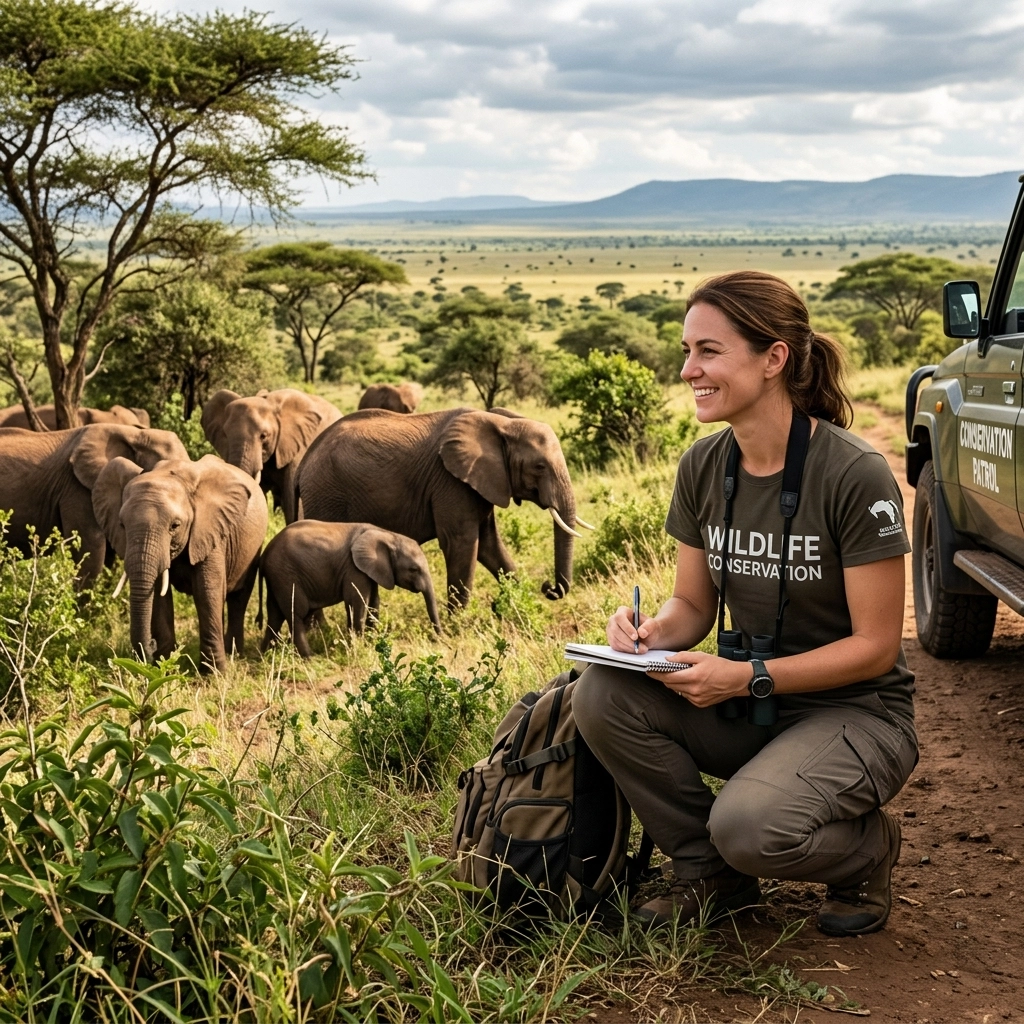
Ethical campaigns require authenticity. High-resolution imagery of the actual species you protect.
Visual Strategy:
- Focus on the eyes. Connection starts there.
- Show the environment. Context matters. A wild tiger in its natural habitat tells a different story than one in a sterile environment.
- Quality over quantity. One powerful image of elephants is better than a dozen mediocre snapshots.
Don't over-edit. Don't use filters that change the reality of the animal. Real is better than perfect.
3. Species Spotlights: Content with Purpose
A campaign shouldn't be "The Zoo." It should be "The Species."
Focusing on a specific animal creates a focal point for donor energy.
The Panda Initiative
Pandas remain a symbol of global conservation. Use pandas to highlight successful breeding programs. Focus on the quiet moments: eating bamboo, resting, the slow pace of life.
The Hyena Perspective
Not every animal is "cute." Ethical campaigns also champion the misunderstood. Hyenas play a vital role in the ecosystem. Telling their story shows a deep commitment to all wildlife, not just the popular ones.
The Avian Crisis
Birds are often overlooked in large-scale zoo marketing. Use bird imagery to talk about migration paths and local conservation. Small animals often have the biggest impact on local visitors.

4. Moving Beyond the Buzzwords
ESG (Environmental, Social, and Governance) is the corporate standard. But your visitors don't talk like that. They talk about "helping." They talk about "saving."
Replace Jargon:
- Instead of "Carbon Neutrality," talk about "Cleaner Air for Giraffes."
- Instead of "Biodiversity Preservation," talk about "More Room for Everyone."
- Instead of "Governance Transparency," talk about "Where Your Dollar Goes."
Simplicity wins. It isn't "dumbing down." It’s "opening up."
5. Marketing Insights for 2026
The landscape has changed. Traditional ads are ignored. Interactive and value-driven content is shared.
What works now:
- Behind-the-scenes access. Show the vet check. Show the meal prep.
- Long-form storytelling. One post isn't enough. Build a narrative over a month.
- User-generated impact. Ask visitors what they learned. Share their answers.
- Minimalist design. Let the animal be the hero.

6. The Ethics of "The Shot"
Wildlife photography has its own ethical code.
- No disturbance. The animal’s well-being comes before the photo.
- Natural behavior. Don't bait or force a pose.
- Respectful distance. Even in a controlled environment, space is respect.
When you use media from Zoo Imagery, you are using assets captured with these principles in mind. Professional photography doesn't have to be intrusive.

7. Building Community Trust
An ethical campaign is a two-way street.
Listen to your audience. If they have concerns about an exhibit, address them. If they want to know more about a specific conservation partner, provide the link.
Trust Checklist:
- Is the information verifiable?
- Is the imagery representative of reality?
- Is the call to action clear and honest?
- Is the tone respectful?
8. Wildlife Trends to Watch
In 2026, we see a massive interest in "Micro-Conservation." People want to help their local parks as much as the Amazon.
Link your global efforts to local actions.
- Protecting wild tigers abroad?
- Protecting local feline species at home?
Make the connection for them.

9. Successful Campaign Checklist
Before you launch, run through these points.
- The "Why": Why this animal, why now?
- The "How": How can the public help? (Specifics only).
- The "Who": Who is benefitting? (The animals, the local community).
- The "Visual": Is it high-quality? Does it evoke empathy?
Avoid clutter. Avoid complex charts. Use a single, striking image of giraffes and a few lines of text.
10. The Path Forward
Ethical marketing isn't a project. It’s a culture.
Every post, every email, and every photo you choose defines your brand.
If you need high-quality, ethically sourced media to tell your story, we can help. Our library is built for conservationists, by people who care about the details.
Build your next campaign on truth. The results will follow.
Join the conversation.
Visit zooimagery.com to browse our latest collections or follow us on LinkedIn for daily marketing insights.


