The Marketer’s Guide to Using Wildlife Stock Photos for Sustainable Campaigns
Visuals drive modern marketing.
In 2026, the demand for authenticity is at an all-time high.
Generic imagery no longer suffices.
Audiences see through staged photos.
They demand connection.
They demand truth.
For marketers focusing on conservation and sustainability, the stakes are higher.
Your choice of imagery reflects your brand’s integrity.
This guide explores how to leverage high-quality wildlife photography effectively.
The Trust Deficit: Why Generic Fails
Standard stock photos often feel hollow.
They feature "perfect" animals in sterile environments.
They lack the grit of reality.
Using these in a sustainability campaign creates a disconnect.
- Perception: Staged photos signal "marketing first, mission second."
- Engagement: Audiences scroll past visuals they have seen a thousand times.
- Brand Value: Generic content dilutes your unique message.
Authentic wildlife photography captures a moment.
It shows the animal's personality.
It highlights the habitat.
It tells a story of survival, beauty, or urgency.
Choosing the Right Visuals
Not all wildlife photos are equal.
When selecting imagery for your next campaign, prioritize these elements:
1. Contextual Accuracy
Ensure the species matches the message.
Don't use a polar bear to talk about tropical deforestation.
Accuracy builds authority.
2. Emotional Resonance
Focus on "micro-expressions."
A mother elephant nudging her calf.
A hawk mid-strike.
A sea turtle navigating plastic debris.
These moments trigger empathy.
3. Visual Quality
High resolution is non-negotiable.
Clear textures.
Natural lighting.
Cinematic depth of field.
Quality imagery suggests a quality brand.

Strategy: Beyond the Brochure
How you use these images matters as much as the images themselves.
Transparency over Buzzwords
Avoid empty labels.
Show the work instead.
Use a high-resolution photo of a reforestation project in progress.
Show the animals benefiting from the new habitat.
Let the image do the talking.
Keep captions direct.
State the facts: "3,000 acres restored. 50 species returning."
Consistency Across Channels
Your website needs the same high-quality visual standards as your social feed.
Inconsistency breeds doubt.
Maintain a library of on-brand wildlife assets.
This ensures every touchpoint feels cohesive.
Zoo Imagery provides categories from lions to fish.
This range allows for deep storytelling across various campaigns.
The Power of User-Generated Content (UGC)
Marketing is shifting.
It is moving from "brand-to-audience" to "audience-to-audience."
For zoos and aquariums, your guests are your best advocates.
The ZooMedia.us Solution
Modern visitors want to share their experiences.
They take thousands of photos every day.
Most of these photos stay on their phones.
The ZooMedia.us app changes this.
- Engagement: It allows guests to share their photos instantly.
- ROI: It tracks how these photos drive new visitors.
- Authenticity: Guest photos are inherently trusted.
When a visitor shares a photo of a giraffe via your app, they aren't just posting a picture.
They are endorsing your conservation efforts.
They are showing their community that your zoo is worth visiting.
Turning Guests into Creators
Provide the tools for better photography.
Mark "photo spots" in your park.
Suggest angles.
Encourage them to capture the animal's behavior.
This creates a stream of authentic, diverse content for your marketing team to use.

Aligning Visuals with Conservation
Sustainability campaigns must go beyond aesthetics.
The imagery should reflect ethical practices.
Ethical Photography Standards
- No Harassment: Images should show animals in natural states.
- True Habitats: Avoid photos that suggest unnatural confinement.
- Respectful Distance: Use long lenses to capture intimacy without intrusion.
At Zoo Imagery, we prioritize these standards.
Our library is curated for professionals who care about the animals they feature.
Using ethically sourced imagery protects your brand from reputation risks.
Storytelling through Series
One photo is a statement.
A series is a narrative.
Use a sequence of images to show progress.
- Photo 1: The problem (degraded land).
- Photo 2: The action (team planting trees).
- Photo 3: The result (wildlife returning to the area).
This "before and after" approach is highly effective in 2026.
It provides tangible proof of impact.
The 2026 Wildlife Content Landscape
The way we consume nature content has evolved.
Short-form video is dominant, but high-resolution stills remain the anchor for high-conversion assets.
Static images provide the pause.
They allow the viewer to absorb the detail.
In 2026, the trend is toward "Hyper-Realism."
This isn't about AI-generated perfection.
It is about capturing the raw, unedited truth of the animal kingdom.
A bird's feathers ruffled by the wind.
A lion's scar.
A fish's iridescent scales in murky water.
These details prove the image is real.
They prove the animal exists in a world worth saving.
Practical Applications for Different Media
For Digital Advertising
Ads move fast.
You have 1.5 seconds to capture a scroll.
High-contrast wildlife imagery works best here.
- Subject: A single, striking animal.
- Action: Intense eye contact or dynamic movement.
- Result: Higher click-through rates.
For Annual Reports and Documentation
These documents are read by stakeholders and regulators.
The tone must be professional and transparent.
Use wider shots that show the animal within its ecosystem.
This emphasizes the "system" in sustainability.
It shows you understand the broader environment, not just the individual species.
For Social Media and Community Building
Social media is for conversation.
This is where UGC from the ZooMedia.us app shines.
Pair a professional hero shot with 3-4 guest photos.
This "mixed-media" approach shows that the brand is both professional and accessible.
It invites the community to participate in the story.

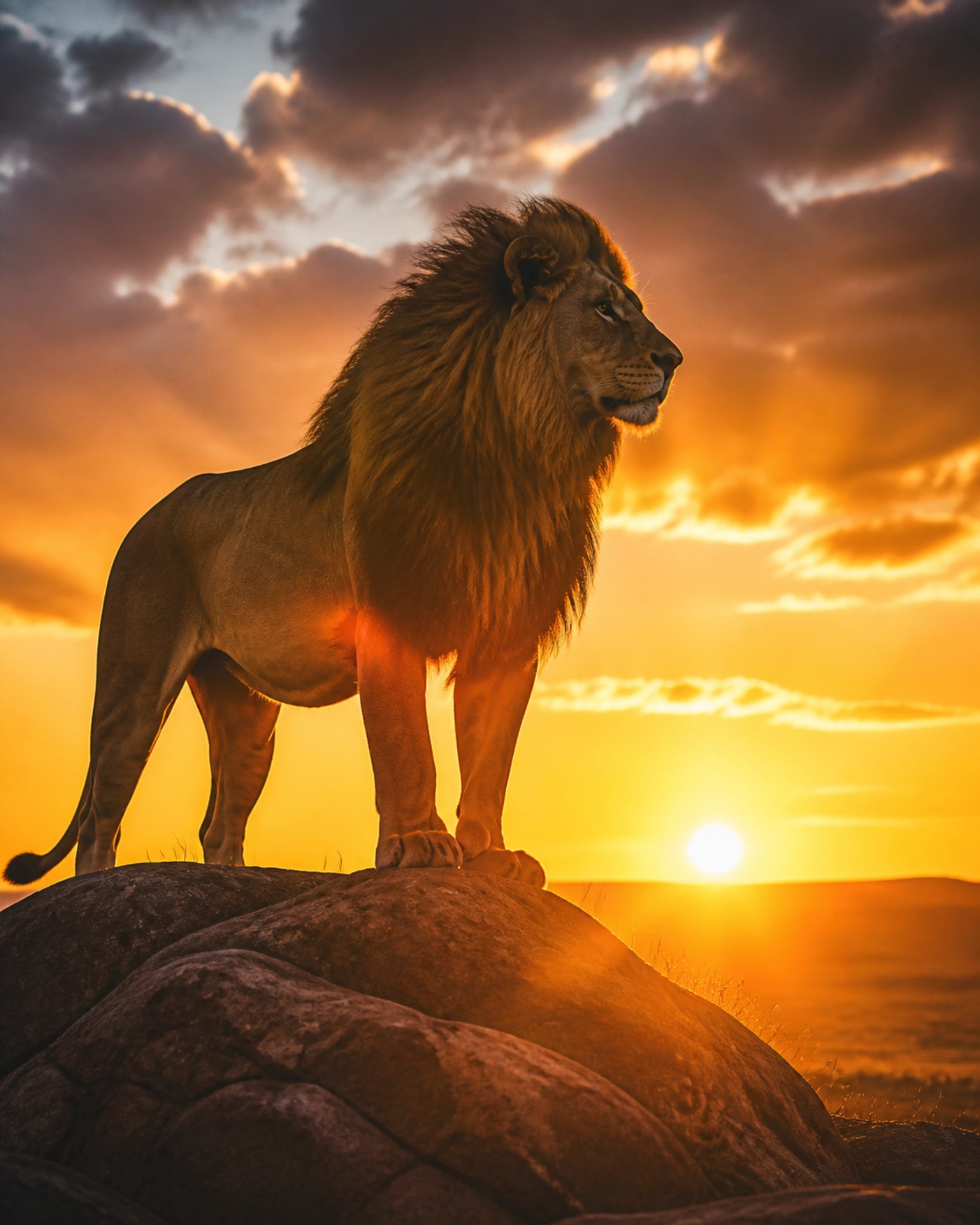
Case Study: The Lion’s Share
Imagine a zoo launching a campaign for a new lion habitat.
A traditional approach: One billboard with a stock lion.
The 2026 approach:
- The Tease: High-detail close-ups of lion features (paws, eyes, mane) on Instagram.
- The Launch: A cinematic hero shot of the lion in the new habitat on the website.
- The Engagement: Guests use the ZooMedia app to share their own photos of the lion.
- The Impact: A report showing a 25% increase in membership renewals, fueled by the feeling of connection to the animal.
This multi-layered strategy uses every tool in the kit.
It starts with high-quality stock and ends with community action.
The Marketer’s Tactical Checklist
Before launching your next campaign, run through this list:
- Is the image high resolution? (No pixels, no blur).
- Is the species correct for the region mentioned?
- Does the lighting feel natural or artificial? (Prefer natural).
- Does the photo trigger a specific emotion? (Awe, curiosity, protection).
- Are you using a mix of professional and UGC visuals?
- Does the image align with your brand’s ethical guidelines?
Conclusion
Visuals are the bridge between your brand and your audience.
In the realm of sustainability and conservation, that bridge must be built on trust.
Authentic, high-quality wildlife photography is the foundation.
Whether you are using our curated stock library or empowering your guests via the ZooMedia.us app, the goal is the same.
Tell a better story.
Protect the subjects of those stories.
Connect with us
Ready to elevate your next campaign?
Visit Zoo Imagery to explore our animal categories.
Follow us on LinkedIn for daily marketing insights and wildlife trends.
Zoo Imagery. Stunning photography. Simple solutions.


