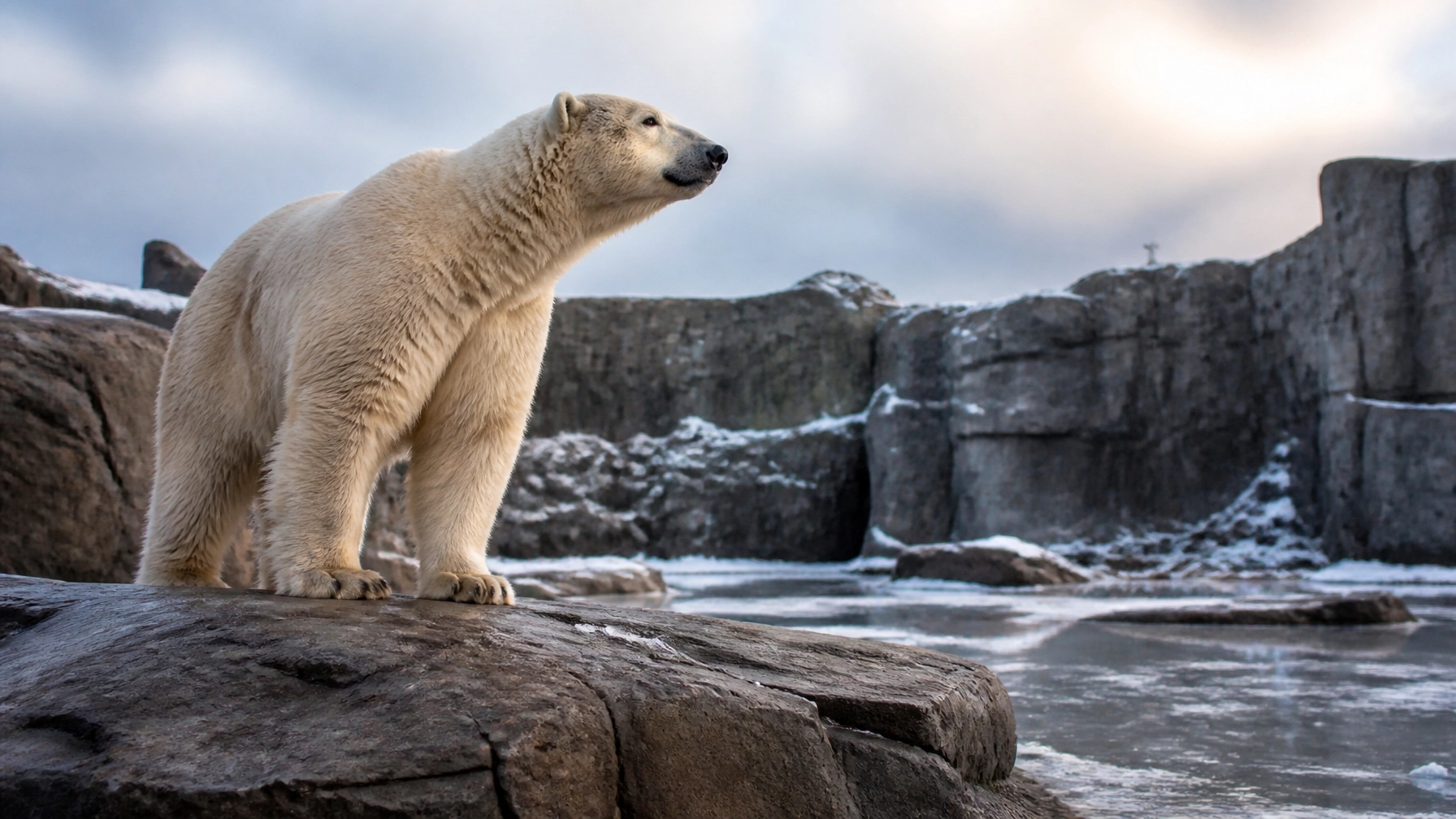
Sustainable Marketing Matters: 5 Tips for Authentic Wildlife Stock Photos
Authenticity drives trust.
In 2026, stock photography is evolving.
Marketing for zoos and aquariums requires more than just high resolution.
It requires truth.
Audiences are visually literate.
They recognize staged moments.
They ignore over-saturated "theme park" aesthetics.
Sustainable marketing aligns your visuals with your environmental and social goals.
It shows real impact.
It tells a conservation story without saying a word.
Here are five tips for choosing and using authentic wildlife stock photos.
1. Prioritize Natural Behavior
The "poster shot" is dead.
Static animals looking directly into the camera feel artificial.
Authentic photography captures movement and instinct.
Foraging. Resting. Socializing.
These moments reflect the reality of animal life.
When selecting imagery for your next campaign, look for:
- Candid moments.
- Unposed interactions.
- Natural movement.
Why it matters
Natural behavior signals animal welfare.
It shows that the animal is comfortable and engaged with its environment.
This transparency builds credibility with your visitors and stakeholders.
It moves the narrative from "display" to "stewardship."
How to implement
Search for keywords like "candid," "foraging," or "social behavior."
Avoid images where the lighting feels like a studio set.
Look for the "Zoo Imagery" standard: documentary-style clarity.
Choose photos that feel like a captured memory, not a scheduled photo shoot.
2. Embrace Minimal Retouching
Texture is a sign of life.
The 2026 trend favors raw, visible details.
Natural fur.
Individual scars.
The wear-and-tear of a real habitat.
Over-smoothing creates a "plastic" look that triggers skepticism.

The visual shift
- Grain is acceptable.
- Subtle motion blur adds realism.
- Natural contrast replaces hyper-vibrancy.
Audiences want to see the world as it is.
The "analog" look is returning as a backlash to AI-generated perfection.
Consistency in your library
Build a library with a consistent, natural color grade.
This ensures your ESG reports and social media feeds feel unified.
High-quality photography doesn't need heavy filters.
The light does the work.
3. Habitat and Context Accuracy
Context is everything.
An animal in a void tells no story.
Authentic stock photos show the animal within its habitat.
Whether wild or managed, the setting must be clear and accurate.
Biophilic design is a major trend for 2026.
Show the integration of nature and infrastructure.
Spotting the "fake"
- Avoid obviously fake backdrops.
- Watch for species-habitat mismatches.
- Ensure the flora matches the fauna.
Supporting the narrative
Use wide shots to show scale.
Show enriched environments with natural features like rocks, live plants, and water sources.
This visual evidence supports claims of high-quality care and conservation excellence.
It provides a sense of place.
4. Feature People as Stewards, Not Performers
Human presence adds a powerful layer to wildlife marketing.
But the role of the human must be authentic.
Move away from staged "petting" moments.
Focus on the science and the care.

The professional lens
Show your team at work:
- Researchers recording data.
- Keepers providing enrichment.
- Veterinary teams conducting health checks.
These images highlight the human-animal bond based on respect and expertise.
It shows the "how" behind your mission.
Capturing the visitor experience
When showing guests, aim for genuine wonder.
Candid reactions are more effective than brochure smiles.
A child pointing at a sea turtle in awe says more about your educational impact than a posed group shot ever could.
5. Leverage User-Generated Content
Trust is found in the hands of your visitors.
The ZooMedia app changes the marketing dynamic.
It allows guests to share the photos they take in real-time.
This creates a stream of authentic, user-generated content (UGC).

The ROI of authenticity
UGC is high-engagement.
It acts as a peer-to-peer recommendation.
When a guest shares a photo of a majestic lion or a playful panda, it carries more weight than a professional ad.
The ZooMedia platform tracks these results.
It provides real-time data on engagement and ROI.
It bridges the gap between your facility and the digital world.
Integrating UGC with stock
Combine your high-end stock imagery with raw guest photos.
The stock imagery sets the professional tone.
The UGC provides the social proof.
This hybrid approach is the future of zoo marketing.
The Future of Zoo Imagery
Marketing is no longer about selling a ticket.
It is about sharing a mission.
High-quality photography is the bridge.
At Zoo Imagery, we provide the visuals that help you tell that story.
From polar bears to the smallest birds, our library is built for impact.
No fluff.
Just stunning, authentic animals.

Summary of Tips:
- Prioritize natural behavior. Catch life in motion.
- Keep it real. Avoid over-retouching. Let textures breathe.
- Context matters. Show the habitat, not just the subject.
- Highlight stewardship. Show the professionals behind the care.
- Empower your guests. Use tools like ZooMedia to capture authentic moments.
Ready to upgrade your visual strategy?
Visit zooimagery.com to explore our categories.
Follow us on LinkedIn for daily insights.
Save time. Save money. Save the story.


