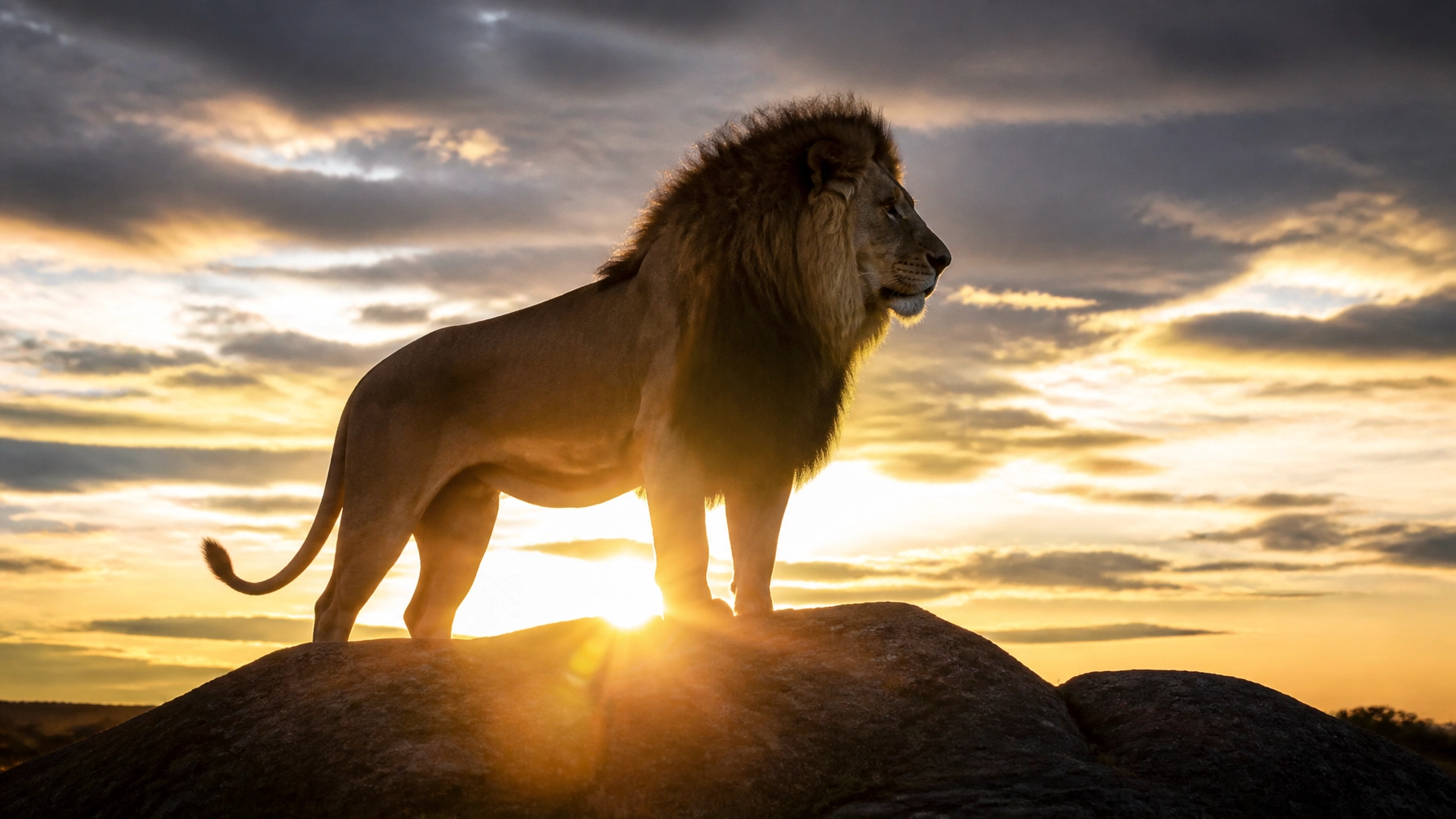
Stop Wasting Time on Generic Animal Photography Stock: Try These 7 Quick Branding Hacks
Generic stock is a budget killer.
It looks flat.
It feels fake.
Your audience knows the difference.
At Zoo Imagery, we see thousands of creative professionals struggle to make standard animal photos feel unique. They settle for "good enough."
Good enough doesn't win.
You need high-impact visuals that tell a story. You need a system that turns a simple photo into a brand asset.
Here are 7 branding hacks to transform your animal photography strategy.
1. The "Presented by" Species Spotlight
Most brands just slap a logo on a photo.
It feels like an ad.
People ignore ads.
Instead, create a Sponsored Species Spotlight.
The Strategy:
Choose a specific animal.
Align it with a sponsor.
Build a "Presented by" experience.
- For Zoos: Feature a Lion or Elephant exhibit sponsored by a local business.
- For Marketers: Use a specific species to represent a corporate partner’s ESG goals.
Implementation:
- Use one hero image.
- Add a clean "Presented by" banner at the bottom.
- Keep the copy minimal.
- Focus on the animal first, the brand second.
This builds trust. It makes the branding feel like a contribution to conservation, not just a sales pitch.
2. Use Tight Crops for "Micro-Expressions"
Standard stock is often too wide.
It shows the fence.
It shows the crowd.
It loses the emotion.
The Hack:
Crop in. Closer than you think.

Why it works:
- Eyes create connection: A tight crop on a Tiger’s eyes stops the scroll.
- Removes distraction: It turns a zoo photo into a wildlife portrait.
- Premium feel: Close-ups suggest high-end, custom photography.
Action Items:
- Focus on the eyes.
- Rule of thirds: Place eyes on the top horizontal line.
- Blur the background.
- Let the fur texture fill the frame.
3. Build a "Species Brand Kit"
Don’t just use a photo.
Build a kit around it.
Every animal has a natural palette.
Pandas have high-contrast black and white.
Birds have vibrant, iridescent hues.
The Components:
- Primary Hero Photo: One powerful eye-contact shot.
- Color Palette: 3 colors sampled directly from the animal’s features.
- Texture Pattern: A macro shot of feathers, scales, or fur.
- Behavior Fact: One punchy sentence about how they live.
The Benefit:
This creates consistency.
When you use a Hyena image, your social posts, brochures, and emails all share the same earthy tones and textures. It looks intentional.
4. Behavioral Alignment: Connect Values to Traits
Stop picking animals because they are "cute."
Pick them because they represent your message.

The Values Map:
- Leadership/Strength: Lions.
- Family/Legacy: Elephants.
- Agility/Focus: Big cats.
- Resilience/Cool: Polar bears.
The Strategy:
Match the animal’s behavior to your brand’s promise.
If you are a tech company focused on speed, don't use a sloth. Use a hawk.
If you are a wealth management firm focused on legacy, use an elephant.
Simple.
Direct.
Effective.
5. Leverage the "ZooMedia" UGC Hack
User-Generated Content (UGC) is the most powerful trust signal you have.
Professional stock is for the hero shots.
UGC is for the community.

The ZooMedia Advantage:
Our app allows zoo guests to share their own photos in real-time.
How to use it:
- Mix and Match: Place a high-quality Zoo Imagery stock photo next to a guest’s phone photo.
- Real-Time Social: Share guest photos on your stories.
- ROI Tracking: Use the app to see which animals are getting the most engagement.
This creates a "human" side to your branding.
It shows that your organization is alive and active.
6. Go Vertical-First for Social Impact
Most stock is shot in landscape.
Social media is vertical.
Don't just center-crop.
The Hack:
Source or request vertical assets specifically for TikTok, Reels, and Stories.
Why:
- Screen Real Estate: Vertical photos take up 100% of the phone screen.
- Native Feel: It doesn't look like a repurposed desktop wallpaper.
- Engagement: People are 2x more likely to interact with content that fits their screen naturally.
At Zoo Imagery, we provide both formats.
We save you the time spent on awkward cropping.
7. Conservation Storytelling (The ESG Win)
People want to support brands that care.
Use your animal photography to tell a story of hope.

The Story Framework:
- The Hero: The animal.
- The Challenge: A simple fact (habitat loss, plastic, etc.).
- The Solution: What your brand or the zoo is doing.
- The CTA: How the audience helps.
Minimalist Messaging:
- Avoid buzzwords.
- Avoid "Greenwashing."
- State the facts.
- Show the impact.
A photo of a Polar Bear is just a photo.
A photo of a Polar Bear paired with a stat about ice preservation is a movement.
Summary of the Hacks
- Spotlight Sponsors: Create "Presented by" species pages.
- Crop Tight: Focus on eyes and micro-expressions.
- Brand Kits: Use animal colors and textures for design.
- Align Values: Match animal traits to your brand message.
- Use UGC: Leverage the ZooMedia app for guest content.
- Go Vertical: Use portrait-mode assets for social media.
- Tell Stories: Use conservation facts to drive ESG goals.
Ready to Upgrade Your Assets?
Stop settling for generic stock.
Start building a brand that breathes.
Zoo Imagery provides the high-resolution, authentic photography you need to make these hacks work.
Follow us on LinkedIn for daily branding tips.


