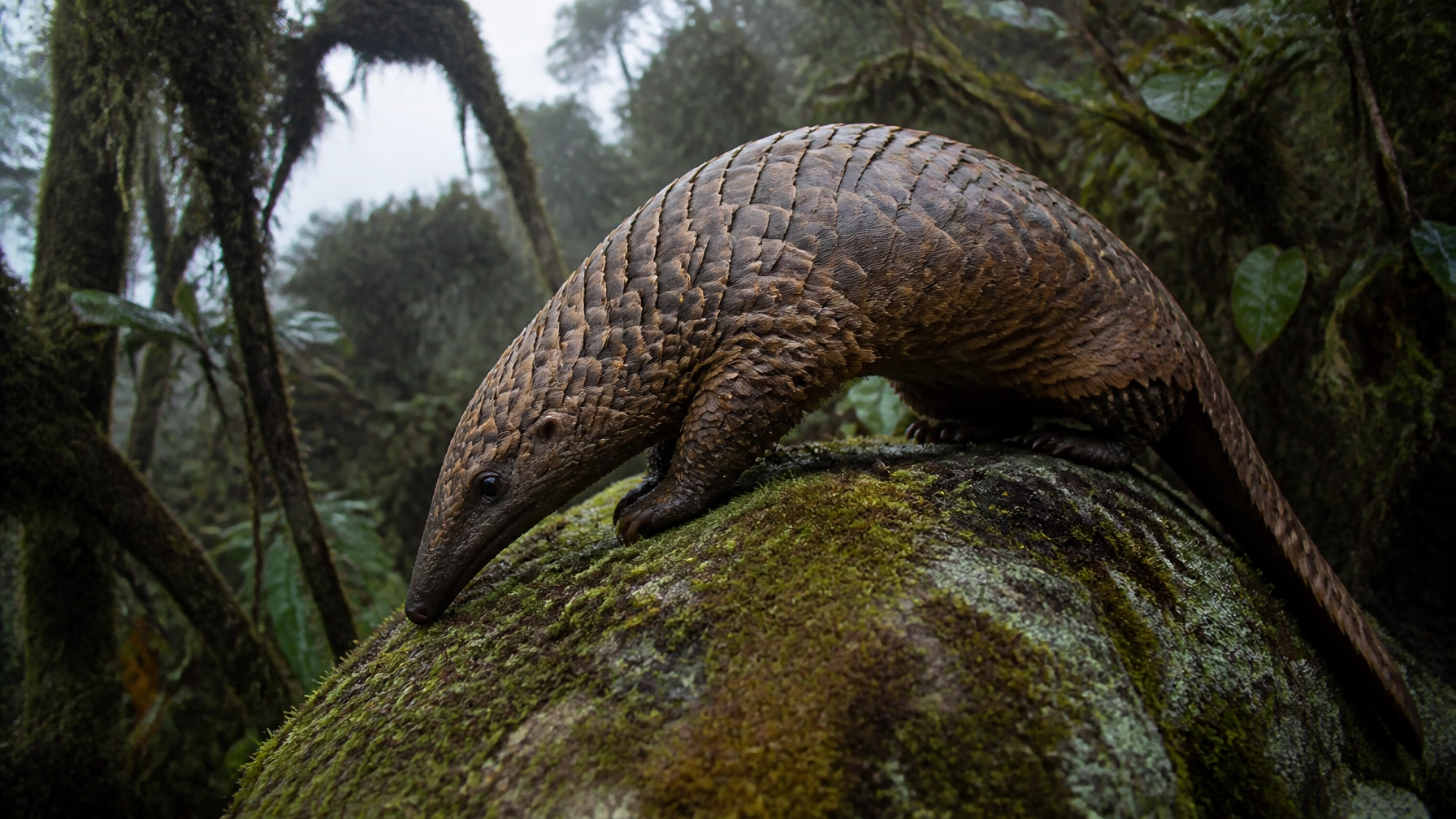
Looking For the Himalayan Pangolin? Here Are 10 Things You Should Know About This New Species
A new discovery in the wild.
Science recently identified a distinct lineage. The Himalayan pangolin.
For years, it was grouped with others. Now, it stands alone.
This species is rare. It is elusive. It lives in the high forests.
Zoo Imagery tracks these developments. We provide the visuals for conservation.
Here is what we know about Manis aurita.
1. A Name Reborn
The Himalayan pangolin is not entirely "new" to science history. It is a resurrected classification.
Previously, researchers referred to it as Manis indoburmanica.
Recent genomic studies changed this.
It is now recognized as Manis aurita.
It is distinct from the Chinese pangolin. It is a separate branch on the evolutionary tree.
We see species differently now. DNA provides the clarity.
2. High-Altitude Range
This species prefers the heights.
It lives in the Himalayan foothills.
Its range includes:
- Eastern Nepal
- Northeastern India
- Bhutan
- Northern Myanmar
It occupies mountain forests. These areas are difficult to reach.
This isolation helps the species survive. It also makes research hard.
Most sightings are rare. Data is limited.
3. Distinct Anatomy

Visual differences are clear.
The Himalayan pangolin is larger than its relatives.
It has a longer tail.
It has smaller ears.
These traits help it navigate its specific environment.
The scales are keratin. They are thick. They overlap perfectly.
In our library, we capture these details. High resolution. Clear textures.
Explore our species conservation stories.
4. Genetic Divergence
The split happened long ago.
Genomic dating suggests a divergence roughly 5 million years ago.
This is significant.
It proves the animal evolved to suit the Himalayan climate.
The DNA tells a story of adaptation. It is a record of survival.
Scientists used 138 whole genomes for this study.
The results were conclusive. Manis aurita is its own entity.
5. The "Ninth" Species Context
There is often confusion with Manis mysteria.
Manis mysteria is the "mysterious" ninth species.
It was discovered via scales in the illegal trade.
Manis aurita is the Himalayan species.
Both are new to modern taxonomy.
Both represent a surge in pangolin research.
The total count of pangolin species is changing.
It is a dynamic field of study.
6. Diet and Survival
Pangolins are specialized.
They eat insects.
They focus on:
- Ants
- Termites
They use a long, sticky tongue. It is a unique tool.
They lack teeth. They process food in their gizzards.
This diet requires healthy forest ecosystems.
Without insects, there is no pangolin.
Habitat health is the priority.
7. Night Life
The Himalayan pangolin is nocturnal.
It sleeps during the day in burrows.
It emerges at night to hunt.
This behavior makes photography a challenge.
It also provides protection from some predators.
But not from humans.
Trade happens at all hours.
8. The Trade Threat
The species is in danger.
Illegal wildlife trade is the primary cause.
Pangolins are the most trafficked mammals on earth.
Their scales are used in traditional medicine.
Their meat is a luxury item.
The Himalayan species faces extreme pressure.
Populations show signs of inbreeding.
Genetic diversity is low.
The population is declining.
This is a fact.
9. Conservation Urgency

Recognition is the first step toward protection.
You cannot save what you cannot name.
The Himalayan pangolin likely merits "Critically Endangered" status.
International groups are reviewing the data.
Zoo Imagery supports these efforts.
We provide the imagery that makes the invisible visible.
Visual evidence drives awareness.
It drives funding.
It drives policy changes.
10. The Role of Technology

How do we help?
We provide high-quality photography.
We also offer tools like the ZooMedia.us app.
It helps zoos engage visitors.
It turns guests into advocates.
User-generated content spreads the message.
It shows the beauty of these animals.
It shows the need for conservation.
Learn about our fan engagement tools.
Summary of Facts
| Category | Detail |
|---|---|
| Scientific Name | Manis aurita |
| Status | Likely Critically Endangered |
| Diet | Ants and Termites |
| Primary Range | Himalayan Foothills |
| Discovery Method | DNA and Morphology |
The Zoo Imagery Mission
We provide animal photography.
We save time for creators.
We save money for marketers.
Our library covers:
- Polar bears
- Tigers
- Giraffes
- Lions
- Elephants
- Pandas
- Birds
- Fish
Every photo supports a larger goal.
Wildlife awareness.
Species preservation.
Professional imagery for a professional cause.
Simple. Effective. Essential.
Join Us
Support conservation through better marketing.
Visit zooimagery.com.
Follow us on LinkedIn.
Images that matter.


