7 Mistakes You’re Making with Sustainable Wildlife Marketing (and How to Fix Them)
Marketing for zoos and aquariums is changing.
The old ways don't work.
Vague promises aren't enough.
Audiences want truth.
They want impact.
They want to see the work.
Many organizations struggle.
They miss the mark.
They waste resources.
Here are seven common mistakes.
And how to solve them.
1. Using Generic "Eco" Language
Words like "sustainable" or "eco-friendly" are tired.
They have lost their edge.
People hear them and look away.
It feels like filler.
The Mistake:
Relying on broad adjectives.
Telling, not showing.
Assuming the audience trusts the label.
The Fix:
Be specific.
Replace "sustainable" with data.
"We reduced plastic by 40%."
"This program saved 10 wild tigers in the Sundarbans."
Numbers build trust.
Vague words build doubt.
2. Using Static, Dated Visuals
Conservation is dynamic.
Wildlife is alive.
Old, grainy photos suggest an old, stagnant mission.
If your imagery looks like 1995, your impact feels like 1995.

The Mistake:
Stock photos that feel "stock."
Low-resolution files.
Visuals that lack emotion.
The Fix:
Invest in high-resolution photography.
Capture the "micro-expression."
The curiosity of a polar bear.
The strength of a lion.
Authentic visuals prove the value of the work.
They justify the investment.
Quality imagery is non-negotiable.
3. Ignoring User-Generated Content
Your visitors are your best marketers.
They are already taking photos.
They are already sharing stories.
If you ignore them, you miss a goldmine.

The Mistake:
Controlling the narrative too tightly.
Fear of unpolished photos.
Failing to capture the guest's perspective.
The Fix:
Empower your guests.
Tools like the ZooMedia app bridge the gap.
They let visitors share their own moments.
This creates real-time engagement.
It builds a community.
Marketing becomes a conversation.
Not a lecture.
4. Jargon-Heavy Storytelling
"Biodiversity indices."
"Materiality assessments."
"Scope 3 emissions."
These words kill engagement.
They are for boardrooms.
Not for the public.
The Mistake:
Writing for experts.
Forgetting the family at the gate.
Using technical terms to sound "serious."
The Fix:
Tell a story.
Focus on the individual.
One elephant protected.
One forest restored.
Keep it simple.
Make it human.
If a ten-year-old doesn't get it, rewrite it.
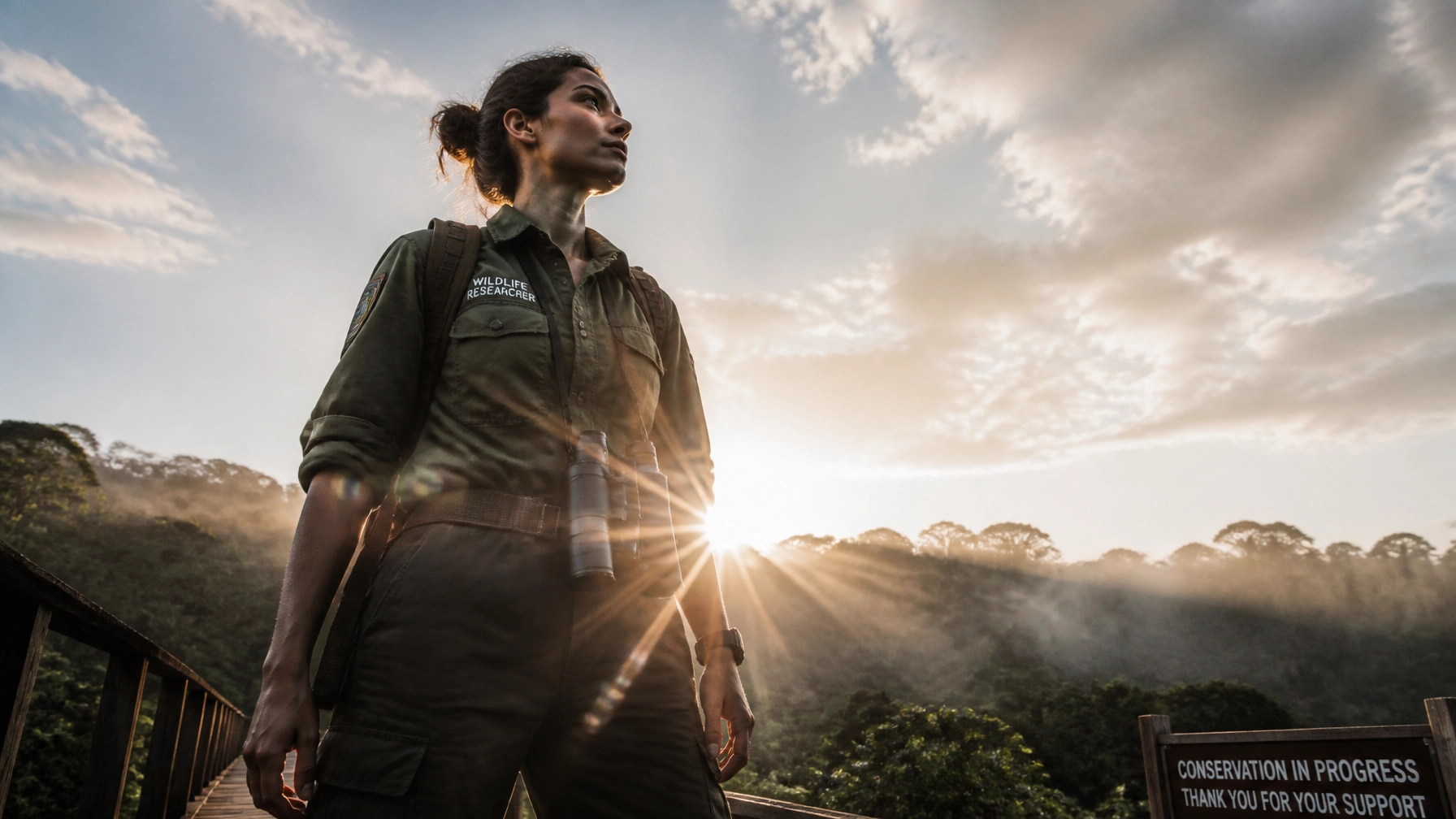
5. Neglecting the Human Element
Wildlife marketing is often empty.
Literally.
It shows animals, but not the people protecting them.
Connection requires a face.

The Mistake:
Assuming animals alone are enough.
Hiding the staff.
Ignoring the mentorship and effort behind the scenes.
The Fix:
Show the work.
Show the zookeepers.
Show the researchers.
Highlight the relationship between humans and nature.
It creates a bridge.
It makes the mission relatable.
People support people.
6. Inconsistent Cross-Channel Branding
Your website says "Nature First."
Your gift shop sells single-use plastic.
Your social media is quiet.
This creates "brand friction."
The Mistake:
Fragmented departments.
Marketing working in a vacuum.
Mixed messages.
The Fix:
Align everything.
Imagery should be consistent.
Messaging should be unified.
From the polar bear gallery on your site to the signage at the gate.
Consistency is the foundation of a strong brand.
7. Failing to Show ROI (Return on Impact)
Conservation costs money.
Donors want to see where it goes.
Marketing that doesn't show results is a failure.

The Mistake:
Reporting only once a year.
Using complex tables.
Hiding the progress.
The Fix:
Real-time reporting.
Visual updates.
"Presented by" species spotlights.
Show the direct link between a visitor's ticket and a species' survival.
Make the impact visible.
Make it immediate.
The Path Forward
Wildlife marketing is a responsibility.
It is the voice for those who cannot speak.
It requires clarity.
It requires honesty.
It requires better visuals.
Stop making these mistakes.
Start building trust.
Focus on the authentic.
Leverage the tools available.
Action Items:
- Audit your visuals. Are they sharp?
- Strip the jargon from your captions.
- Look at your visitor data.
- Tell a human story today.
Need better imagery?
Explore our categories:
Ready to engage your visitors?
Learn about ZooMedia.
Keep it simple.
Keep it real.
Follow us on LinkedIn for daily insights.


