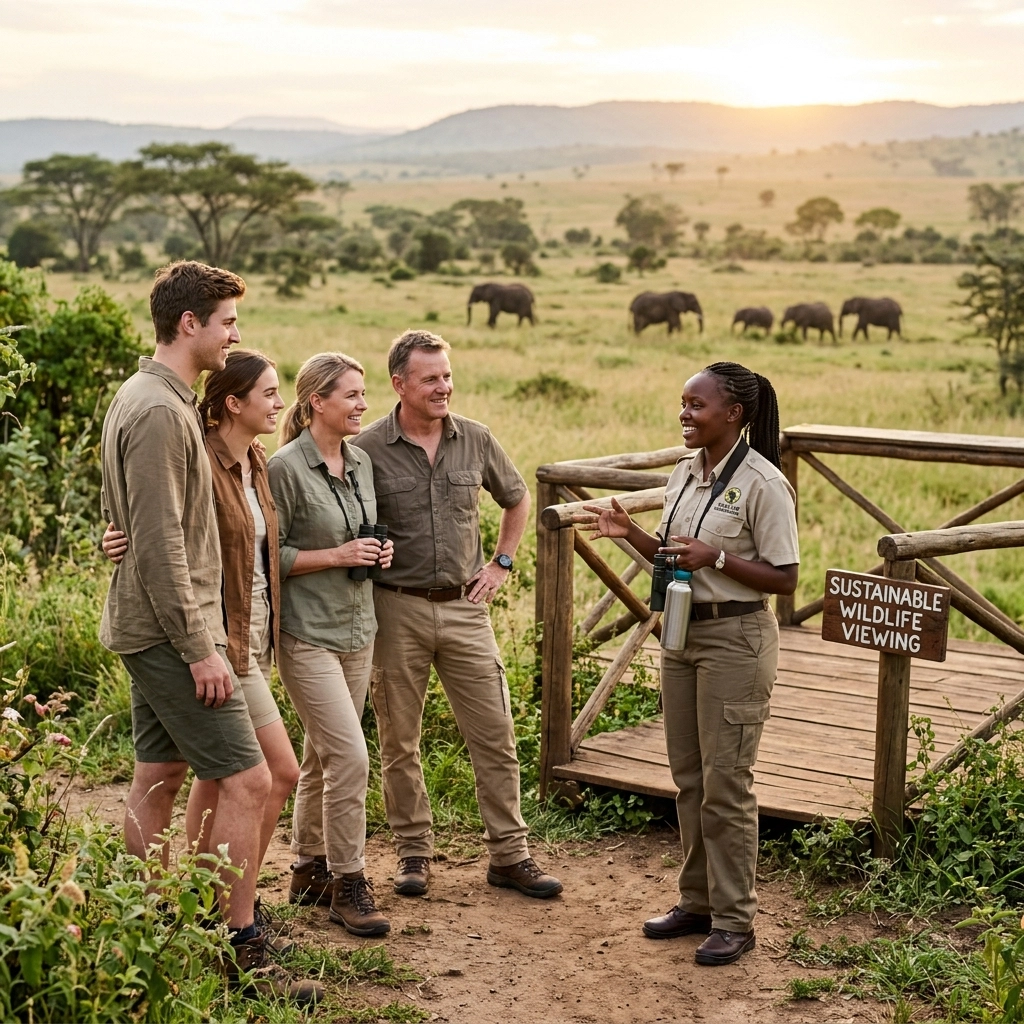
Boost Your Visitor Engagement Instantly with These 5 Sustainable Wildlife Marketing Tips

Saturday, April 25, 2026.
Hey everyone. Dan Kost here.
At Zoo Imagery, we spend a lot of time looking at how people react to wildlife media. The world is changing. People don't just want to see a rare animal anymore. They want to know that the animal is safe, the habitat is protected, and the organization they are visiting is doing the right thing.
Visitor engagement is no longer about the "wow" factor alone. It is about trust.
If you want to keep your gates busy and your community involved, you need to align your marketing with real-world conservation. We call this sustainable marketing. No fluff. No buzzwords. Just honest connection.
Here are five tips to boost your visitor engagement right now.
1. Focus on Conservation Impact Over Entertainment
In the past, marketing for zoos and aquariums was about the "show." Today, it is about the "save."
Visitors are more educated than ever. They can spot a shallow marketing campaign from a mile away. To engage them, you need to lead with your mission.
How to do it:
- Stop posting "cute" photos without context.
- Every post should mention a conservation goal.
- Show where the money goes. If a ticket helps plant 10 trees in a rainforest, say that.
- Use data. Numbers don't lie.
When people feel like their visit is an act of conservation, they stay longer. They buy the membership. They tell their friends.

2. Show Your "Behind the Scenes" Sustainability
Sustainability isn't just about the animals. It is about how you run your business.
Do you use solar power? Do you compost your waste? Have you removed single-use plastics from your cafes? This is your marketing gold.
Why it works:
- It builds credibility.
- It shows you "walk the talk."
- It gives visitors ideas they can use at home.
Don't hide your recycling bins or your water filtration systems. Feature them. Take a photo of your team installing solar panels. Explain how your water system saves three million gallons a year.
This transparency creates a bond with your audience. They see you as a partner in protecting the planet, not just a weekend destination.
3. Tell Individual Animal Stories
Statistics are hard to connect with. One billion people is a number. "Kip the Sea Otter" is a friend.
To drive engagement, you must move from "Species Spotlights" to "Individual Stories." People care about individuals.
The strategy:
- Give your animals names and personalities in your marketing.
- Share their history. Was this animal rescued? Is it part of a breeding program?
- Show their daily routine. What do they eat? What toys do they like?
- Update their progress. If an animal is recovering from an injury, let people follow the journey.
At Zoo Imagery, we provide the high-quality stock and custom media that makes these stories feel real. A blurry phone photo doesn't capture the personality of a tiger. A professional portrait does.

4. Create Interactive Learning Moments
Engagement is a two-way street. If a visitor just walks past an enclosure, they are a spectator. If they participate, they are a member of your community.
Marketing should invite people to do something.
Actionable ideas:
- QR Code Tours: Link exhibit signs to short, 30-second videos of keepers explaining a specific conservation project.
- Citizen Science: Ask visitors to count butterflies or identify plants on your grounds and log them via an app.
- Live Q&A: Use social media to let visitors ask keepers questions in real-time.
When visitors participate, they learn. When they learn, they care. When they care, they come back.

5. Build Local Community Partnerships
You aren't an island. Your zoo or aquarium is part of a local ecosystem.
Sustainable marketing involves looking outside your gates. Partnering with local schools, environmental groups, and even sustainable local businesses can expand your reach instantly.
Connection points:
- Host a local "Beach Clean Up" or "Park Restore" day.
- Partner with a local coffee roaster that uses bird-friendly beans.
- Feature local university researchers working on wildlife projects.
This shows that your organization cares about the local community just as much as global conservation. It builds a loyal, local base that provides steady engagement all year round.
Why Quality Visuals Are the Foundation
You can have the best conservation story in the world, but if the photo is bad, people will keep scrolling.
In 2026, the digital space is crowded. To stand out, your imagery needs to be clean, professional, and authentic. This is why we do what we do at Zoo Imagery. We believe that great photography is the bridge between a visitor and a cause.
Simple, high-quality images tell the story faster than a thousand words of marketing copy ever could.

A Quick Checklist for Your Next Campaign:
- Does this post mention a specific conservation impact?
- Is the language simple and free of buzzwords?
- Does the image show the animal's natural behavior or the keeper's hard work?
- Is there a clear way for the reader to get involved?
- Am I showing something honest and transparent?
Final Thoughts
Marketing for wildlife organizations doesn't have to be complicated. It doesn't need a huge budget or a team of 50 people. It just needs to be real.
Focus on the impact. Show your work. Tell the stories of the individuals you protect.
If you do these five things, your engagement will go up. Not because of a "hack" or a "trend," but because you are building a real relationship with your visitors.
Want to learn more about how we help zoos and aquariums tell their stories?
Check out our about-us page or see more tips on our blog.
If you need high-quality visuals to power your next campaign, contact us today.
You can also follow us on LinkedIn for daily insights on wildlife marketing and digital media trends.
Keep up the great work. The animals are counting on us.
: Dan Kost, CEO, Zoo Imagery.


