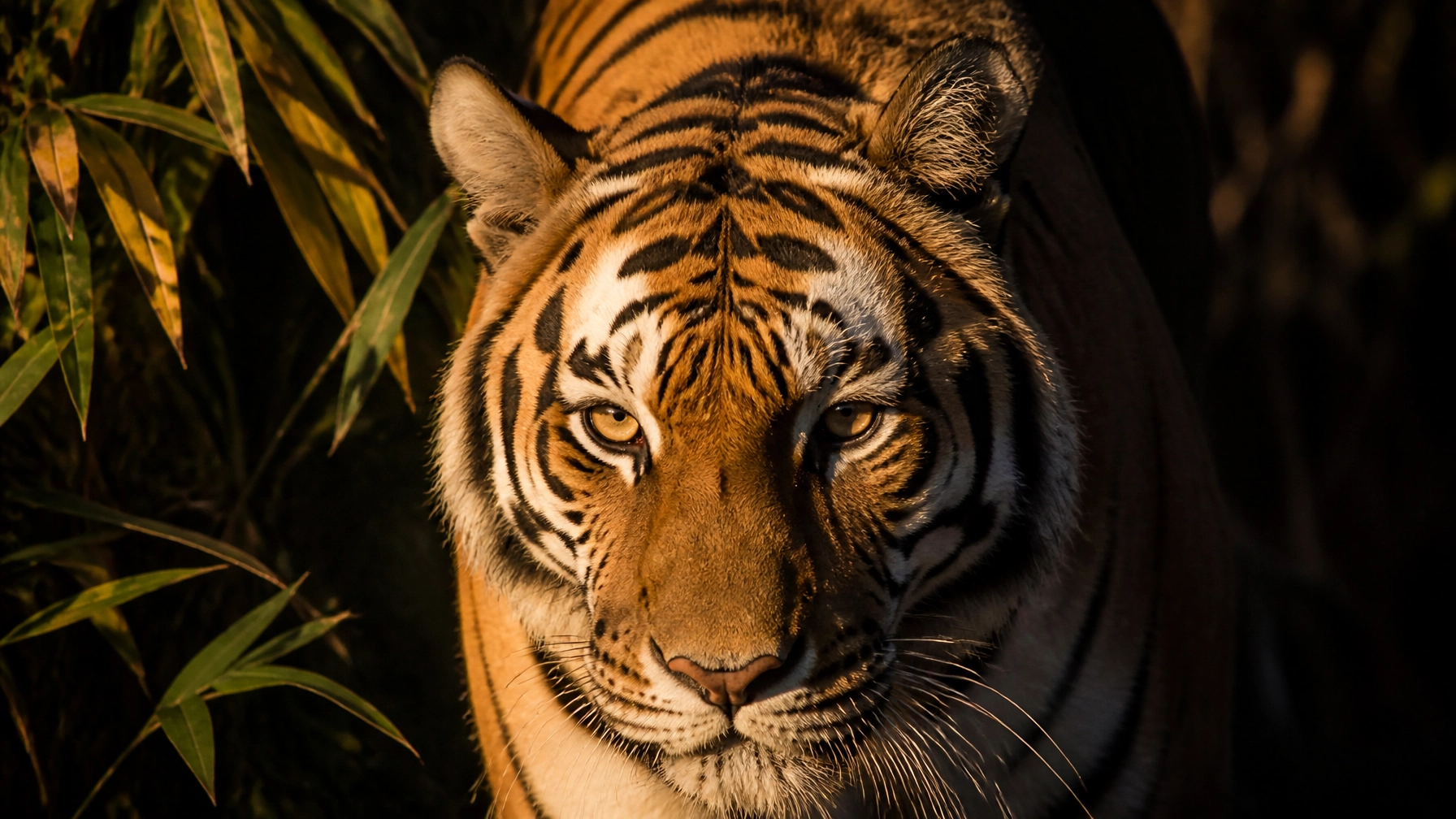
7 Mistakes You’re Making with Zoo Animal Photos (and How to Fix Them)
Animal photography is hard. Zoo photography is harder.
You deal with glass, mesh, and crowds. You fight flat lighting and concrete backgrounds.
Most zoo photos look like snapshots. They lack impact. They don't tell a story.
High-quality imagery is essential for marketing. It drives engagement. It supports conservation.
Avoid these seven common mistakes to elevate your visual content.
1. Fighting the Glass (and Losing)
Reflections kill great shots. You see yourself. You see the "Exit" sign behind you. You see fingerprints.
The Mistake:
- Standing back from the viewing window.
- Using a flash.
- Ignoring smudges on the glass.
The Fix:
- Get close. Press your lens hood directly against the glass.
- Use a rubber lens hood. It seals out light from the sides.
- Angle your shot. A slight tilt reduces glare.
- Wear dark clothing. Neutral colors don't reflect as much in the window.
- Clean the spot. Carry a small microfiber cloth. Wipe the exterior glass before shooting.
2. Shooting from a Human Perspective
Most people shoot from eye level. Their own eye level.
This creates a "looking down" effect. It makes the animal feel small. It creates a psychological distance. It feels like a tourist photo.
The Mistake:
- Standing tall at the railing.
- Aiming the camera downward.
- Capturing the ground as the primary background.
The Fix:
- Get low. Drop to your knees.
- Level the playing field. Aim for the animal’s eye level.
- Create connection. An eye-to-eye shot is more intimate. It feels like the animal is looking at the viewer, not being looked at by a visitor.
- Use a flip-out screen. Save your back. Use the camera's tech to get the angle without the crawl.

3. Ignoring the "Zoo" in the Background
Concrete walls are boring. Signs are distracting. Red fire extinguishers are photo-ruiners.
The Mistake:
- Including man-made structures in the frame.
- Focusing only on the animal and ignoring the edges.
- Centralizing the subject in a cluttered environment.
The Fix:
- Wide aperture. Use a low f-stop (f/2.8 or f/4). This blurs the background into a soft wash of color.
- Frame with foliage. Use leaves or rocks in the foreground to hide fences.
- Wait for movement. Wait until the animal moves in front of a natural element.
- Tight crops. Zoom in. Focus on the face, the fur texture, or the eyes. Eliminate the context of the enclosure entirely.
4. Missing the "Soul" of the Animal
A sharp photo isn't always a good photo. Many shots feel clinical. They lack life.
The Mistake:
- Focus on the body, not the eyes.
- Shooting while the animal is sleeping or turned away.
- Lack of patience.
The Fix:
- Focus on the iris. The eye must be the sharpest part of the image.
- Wait for the "Catchlight." This is the small reflection of light in the eye. It adds life. Without it, the eye looks flat and dead.
- Anticipate behavior. Watch the animal. Learn its patterns.
- Time your visit. Animals are most active during morning feeds or keeper talks. Use these windows for dynamic shots.
5. Sticking to Landscape Only
We live in a vertical world. Social media is portrait-oriented.
Most photographers default to landscape mode. It's how we see. It’s how cameras are held. But it limits your utility.
The Mistake:
- Shooting exclusively in 16:9 or 3:2 horizontal.
- Forgetting about TikTok, Reels, and mobile-first marketing.
The Fix:
- Flip the camera. Take the shot vertically.
- Compose for mobile. Leave "negative space" at the top or bottom for text overlays.
- Think about the platform. Portraits of giraffes or tall birds naturally fit vertical frames.
- Check our categories. Our library at Zoo Imagery offers both formats for this reason.

6. Underestimating User-Generated Content
Professional photos are great. Authentic photos are better.
Many marketing teams rely solely on high-end stock. They miss the raw engagement of a guest's perspective.
The Mistake:
- Ignoring the photos guests are already taking.
- Not providing a way for guests to share quality content easily.
- Failing to track the ROI of social sharing.
The Fix:
- Empower the guest. Use tools like our ZooMedia.us phone app.
- Bridge the gap. The app allows guests to share their own photos instantly.
- Leverage picture marketing. User-generated content (UGC) acts as digital word-of-mouth. It’s authentic. It’s trustworthy.
- Track results. Use the app’s real-time engagement data to see what’s working.

7. Lack of Context and Storytelling
A photo of a lion is just a photo of a lion. Until it’s a story about conservation.
The Mistake:
- Using generic images without a clear purpose.
- Missing opportunities for sponsorship and branding.
- Ignoring the educational aspect of the imagery.
The Fix:
- "Presented by" pages. Use animal imagery to create dedicated landing pages for sponsors.
- Sponsored Species Spotlights. Focus on one species. Tell their story. Highlight the conservation efforts.
- ESG alignment. Use high-quality visuals to demonstrate your commitment to environmental and social governance.
- Be transparent. Use imagery to show the reality of conservation work. No fluff. Just the facts.
Better Imagery, Better Results
Visuals matter. They are the first thing a potential visitor sees. They are the last thing they remember.
High-quality photography saves time. It saves money. It tells the story of the animal and the institution.
Stop making these mistakes. Focus on the connection. Focus on the light.
Ready to upgrade your library?
Visit Zoo Imagery to browse our categories:
Connect with us on LinkedIn for more tips on picture marketing and zoo engagement.


