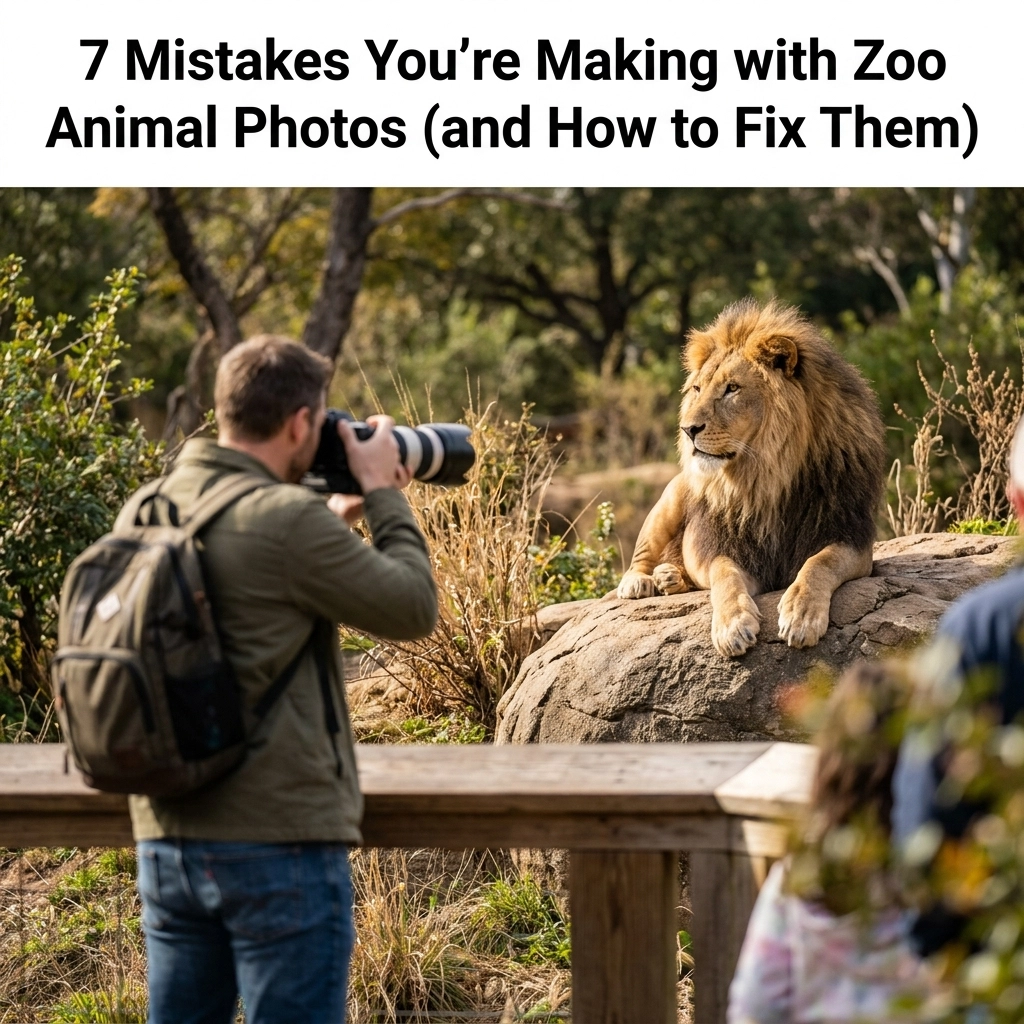
7 Mistakes You’re Making with Zoo Animal Photos (and How to Fix Them)
Wednesday, 15 April 2026
High-quality imagery is the backbone of zoo marketing. It drives ticket sales. It fuels conservation donations. It builds trust with your community.
But often, the photos we use fall short. They look "stock." They feel cold. They miss the mark on the story we are trying to tell.
I’m Dan Kost, CEO of Zoo Imagery. I see thousands of animal photos every month. Most are good. A few are great. Many make the same seven mistakes.
If you want your website and social feeds to stand out, you need to fix these. Here is how.
1. The "Fence" Problem
The most common mistake is showing the barrier.
Fences, bars, and glass reflections remind the viewer of captivity. Even if your facility is world-class, a photo of a tiger behind a chain-link fence feels restrictive. It kills the "wild" connection.
The Fix:
Use a wide aperture (low f-stop). Get as close to the fence as safety allows. Use a long telephoto lens. This blurs the foreground barrier into invisibility. The animal appears to be in its natural habitat.
Check our wild tigers collection to see how we handle depth of field. We aim for the animal, not the enclosure.
2. Shooting from Standing Height
Most people take photos from five or six feet up.
This creates a "looking down" perspective. It makes the animal look small and submissive. It’s the tourist’s view. It lacks intimacy.
The Fix:
Get on their level. If it’s a penguin, get low. If it’s a giraffe, you might need a higher vantage point to meet their gaze. Eye-level photos create an emotional bridge. The viewer feels like they are in the animal’s world, not just observing it from a sidewalk.
3. Missing the Eyes
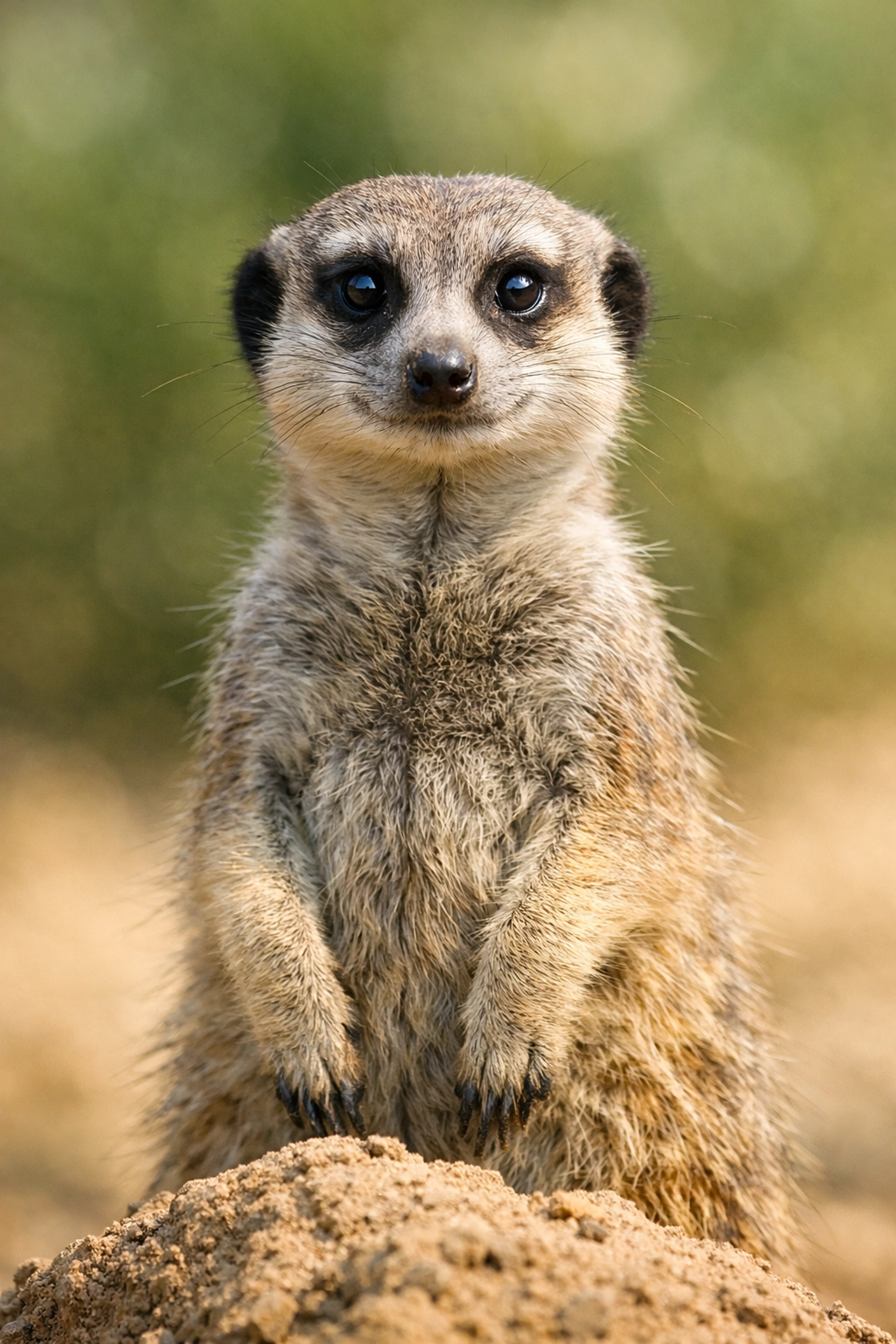
The eyes are the soul of the image.
If the eyes are blurry but the fur is sharp, the photo is a fail. If the animal is looking away, the connection is lost. Humans are biologically programmed to look for eyes.
The Fix:
Set your camera to single-point focus. Aim directly at the eye closest to the lens. Wait for the "catchlight": that tiny glint of sun in the pupil. It brings the animal to life.
For animals like hyenas, the gaze is everything. It changes the narrative from "scavenger" to "intelligent predator."
4. Cluttered Backgrounds
A bright red trash can. A blue exit sign. A concrete wall with a "Do Not Feed" sticker.
These distractions pull the eye away from the subject. They clutter the frame and ruin the professional aesthetic of your brand.
The Fix:
Check your corners. Before you click, look at the edges of the frame. Move your body a few inches to the left or right to hide that sign behind a tree trunk. Simplify. The less "human" noise in the background, the more powerful the animal appears.
5. Static, Boring Poses
We’ve all seen the photo of a lion sleeping in the shade.
It’s fine for a record, but it doesn't inspire. It doesn't tell a story of vitality or wildness.
The Fix:
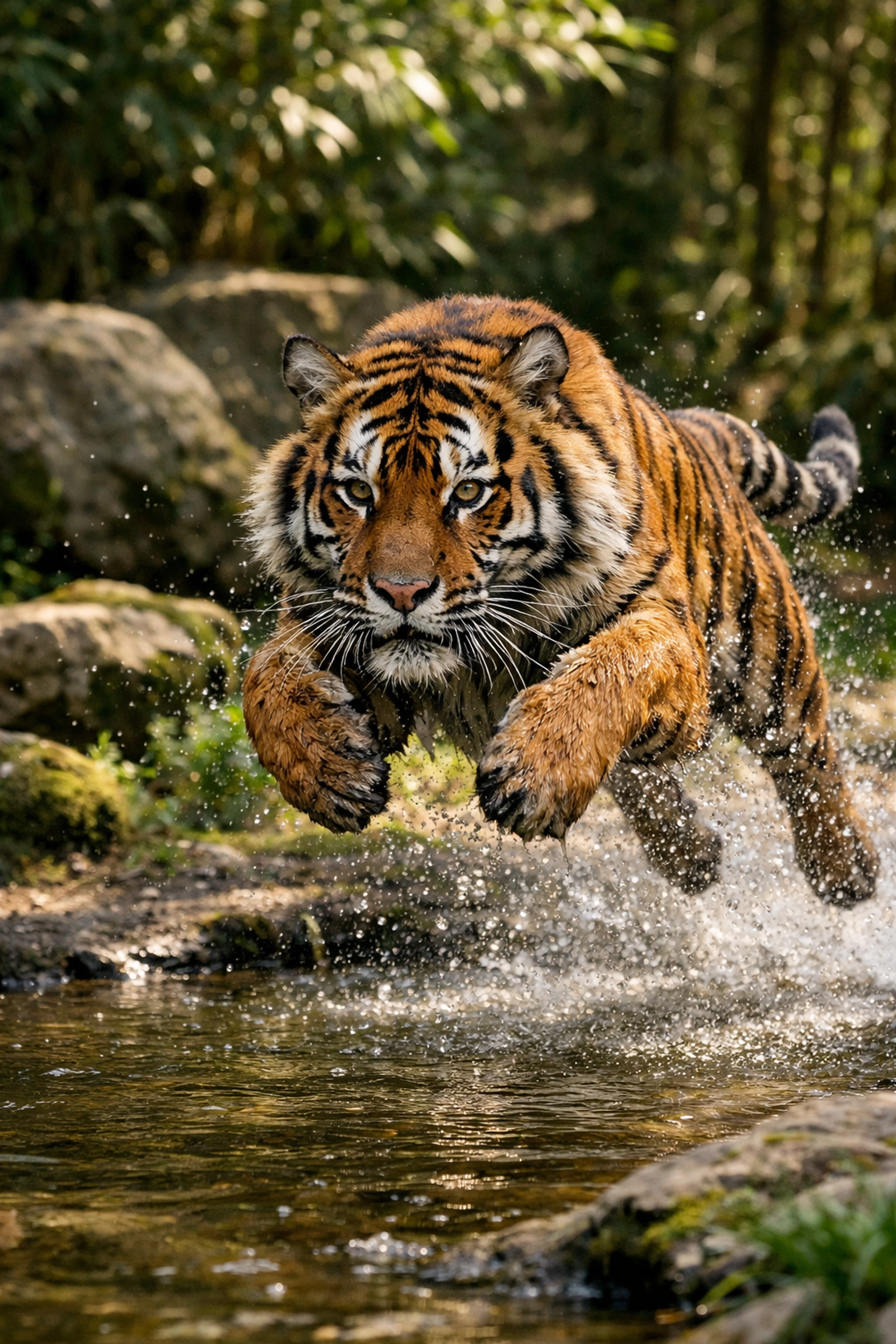
Patience. Wait for the yawn. Wait for the ear twitch. Wait for the interaction with enrichment items. Use burst mode. Action shots: even small movements: increase social media engagement by significant margins.
Look at our polar bears section. The best shots are the ones where they are moving, splashing, or interacting with their environment.
6. Over-Processing
In an effort to make photos "pop," many marketing teams crank up the saturation and contrast.
The grass becomes neon green. The animal looks like a plastic toy. This creates a "fake" feeling that works against your transparency goals.
The Fix:
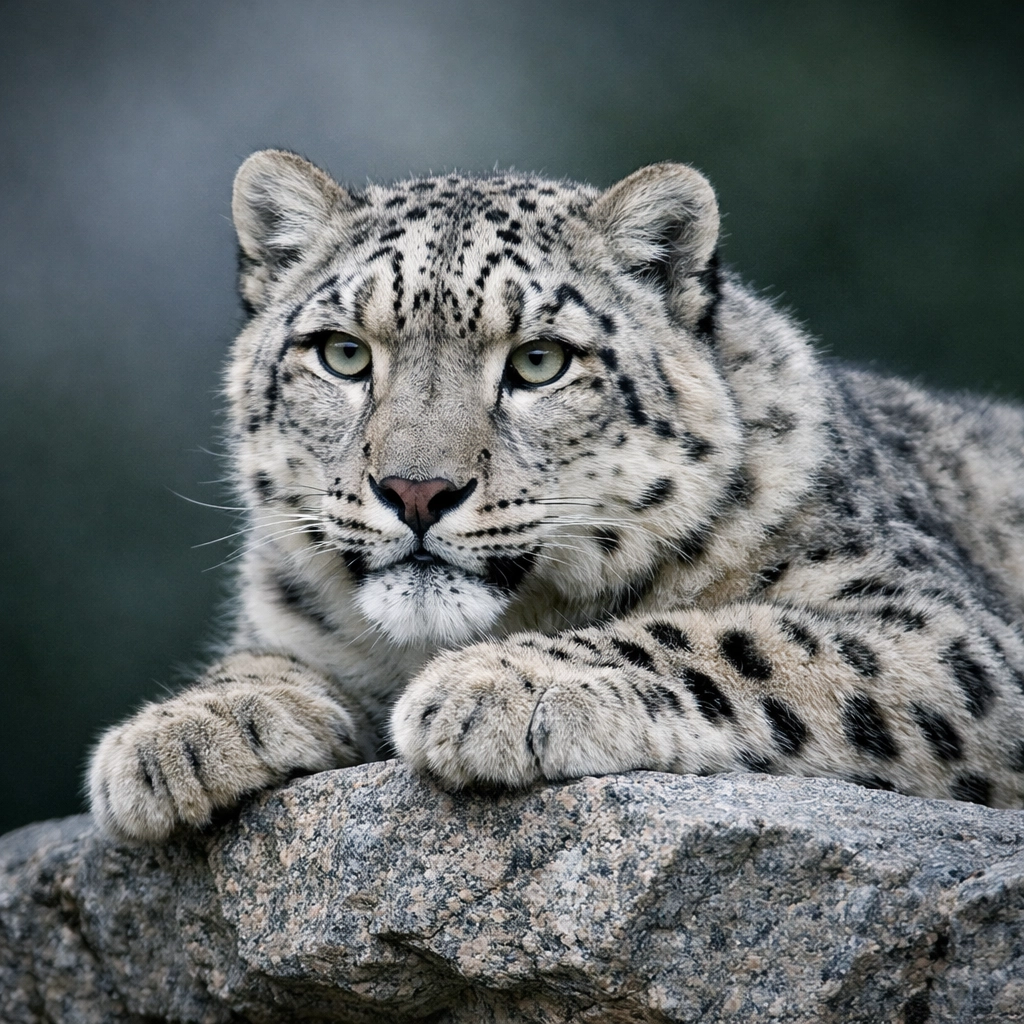
Keep it natural. Real life is slightly muted. Natural tones build more trust. If you are running an ESG-aligned campaign (Environmental, Social, and Governance), authenticity is your greatest asset. People want to see the real animal, not a filtered version.
7. Ignoring the "Why"
Why are you posting this photo?
Is it just to say "Look at this bird"? Or is it to highlight your conservation work?
The Fix:
Every photo should serve a mission. Use imagery that supports your stewardship stories. If you are talking about habitat loss, show the animal in a lush, natural-looking environment. Use photography to illustrate the "why" behind your zoo’s existence.
Our elephants imagery is designed to show scale and social structure: elements that help tell the story of why these giants need our protection.
Why Quality Imagery Matters for ESG
Today’s donors and visitors are savvy. They look for transparency. They want to see that the animals under your care are thriving.
Simple, clean, and professional photography is a form of communication. It tells the public: "We care about the details. We respect these animals. We are professionals."
When you use high-end imagery, you aren't just selling a ticket. You are inviting the public to join a conservation movement.
How Zoo Imagery Can Help
Maintaining a library of perfect shots is hard. It takes time. It takes expensive gear.
That is why we built Zoo Imagery.
We provide professional, high-resolution media specifically for zoos and aquariums. No fences. No distractions. Just the animals.
Marketing Insights for 2026
We are seeing a trend toward "raw" but high-quality content.
Users want photos that feel un-staged but look professional. This means avoiding heavy edits but ensuring the composition is perfect.
If your website looks like a collection of smartphone photos taken by a passerby, your brand perceived value drops. If your website looks like a National Geographic spread, your authority rises.
A Quick Checklist for Your Next Shoot:
- Aperture: Is it wide enough to hide the enclosure?
- Angle: Am I at the animal's eye level?
- Focus: Is the eye sharp?
- Background: Are there any human-made distractions?
- Story: Does this photo represent our mission?
Elevate Your Brand
Don't let poor photography hold back your conservation efforts.
Check out our latest arrivals:
Your mission deserves to be seen clearly.
Ready to upgrade your visual story?
Visit us at zooimagery.com to browse our full library or follow our updates on LinkedIn.

Simple. Professional. Wildlife.


