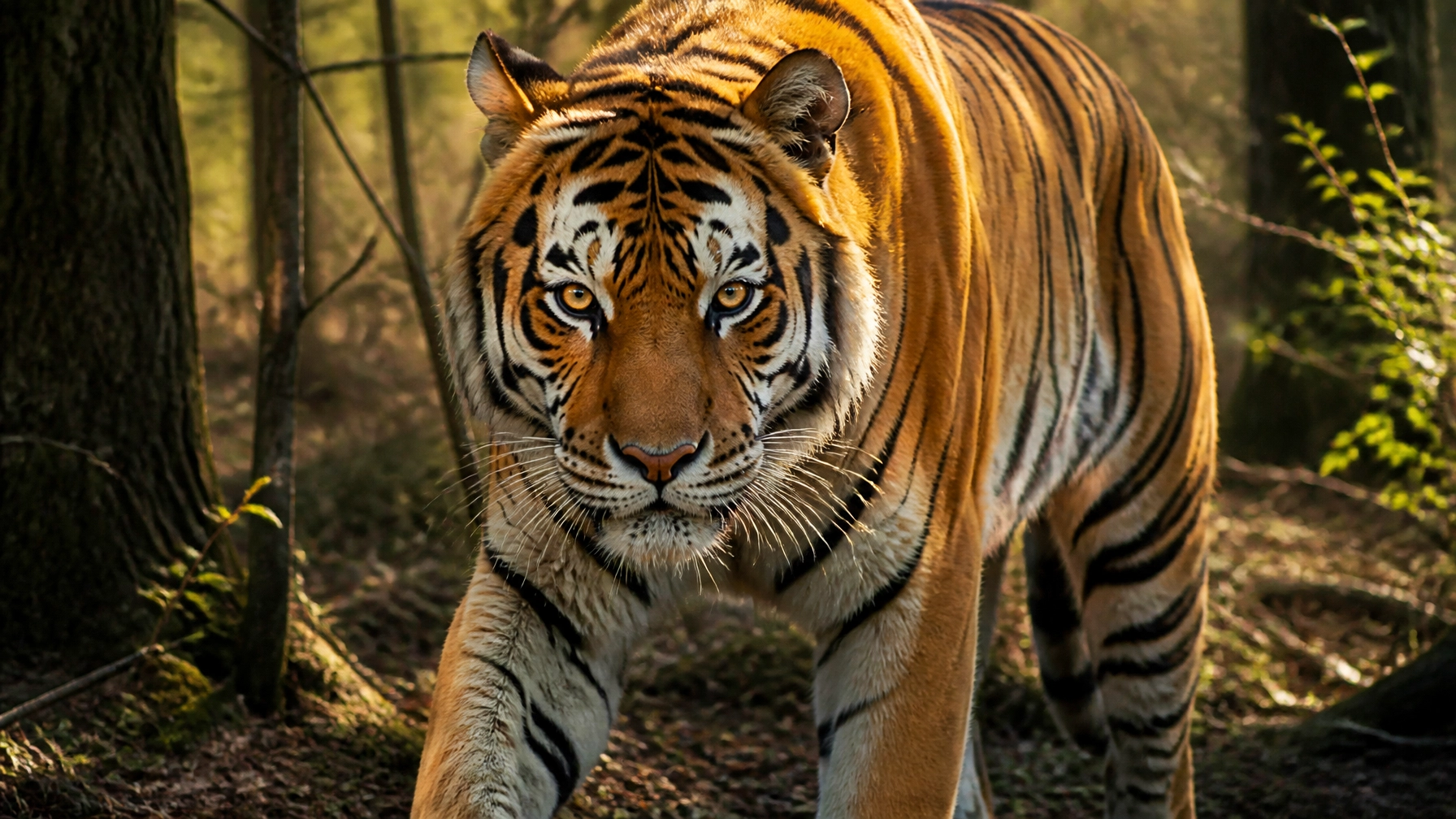
How to Integrate Sustainable Wildlife Messaging With Your Daily Photo Marketing
Modern zoo marketing has changed. It is no longer just about entertainment. It is about impact.
In 2026, visitors expect more than a day out. They want proof of purpose. They want to know their ticket price does something tangible for the planet.
Integrating sustainability into your daily photo marketing isn't a "green" campaign. It is the core of your brand. It should be visible in every post, every tweet, and every app notification.
Here is how to bridge the gap between stunning imagery and meaningful conservation.
1. Move From Slogans to Proof
Slogans are easy. Data is hard. Data is also what converts today’s cynical audience.
Stop using "We save animals." Start using "1,200 hectares protected this month."
The Impact Dashboard
Create a visual "Impact Dashboard" for your digital channels. Use short, repeatable metrics:
- Species supported: Total count of field projects.
- Wildlife releases: Numbers of animals returned to the wild.
- Habitat restoration: Acres of land secured.
- Community impact: Local jobs created in field sites.
Present these numbers plainly. No flowery descriptions. Let the numbers sit next to a high-quality Zoo Imagery photo of the species being helped.
2. Leverage the "Digital Layer"
Physical signage is static. It gets ignored. Your visitors are looking at their phones. Use that.

The ZooMedia.us app allows you to layer content over the physical visit.
Geofenced Conservation
Trigger messages based on location.
- At the Tiger Exhibit: Push a 20-second video on habitat loss.
- At the Gift Shop: Remind guests about sustainable procurement.
- At the Exit: Provide a simple "impact summary" of their visit.
This isn't spam. It is context. It turns a walk through the zoo into a journey through a mission.
3. Adopt Ethical Visual Standards
The way you photograph animals tells a story about how you value them.
Avoid "selfie culture." In 2026, research shows that images of guests hugging or touching wild animals drive the illegal pet trade. It normalizes inappropriate contact.
The New Aesthetic
- Focus on natural behavior: Capture animals foraging, sleeping, or interacting with their environment.
- Maintain distance: Use long lenses to show respect for the animal’s space.
- Authentic lighting: Avoid "staged" looks. Use natural, cinematic lighting to emphasize wildness.
Professional, ethical photography from Zoo Imagery ensures your marketing aligns with global conservation standards.

4. Operational Transparency
Sustainability isn't just about animals. It’s about how you run your business.
Show the "Boring" Stuff
Make your operations part of the story. Use fragments to describe your progress:
- Solar Arrays: Powering 40% of the park.
- Water Recycling: 10,000 gallons saved daily.
- Zero-Waste: Composting all food waste on-site.
These are not "corporate" facts. They are proof that your zoo practices what it preaches. Use your social media to highlight a solar panel as often as you highlight a lion cub.
5. Turn UGC into Advocacy
User-Generated Content (UGC) is your most powerful tool. But it needs guardrails.
Guests will share photos. Ensure those photos represent your mission.
Strategy for UGC
- Promote meaningful captions: Incentivize guests to share a fact they learned.
- Moderate for ethics: Do not re-share photos of guests touching glass or feeding animals.
- Reward engagement: Highlight the best conservation-focused guest posts on your official LinkedIn profile.
The ZooMedia.us app makes this easy. It allows guests to share high-quality photos while you track real-time engagement and ROI.
6. Immersive Tech: The Conservation Lab
Visibility builds trust. If you are doing research, show it.

The "Lab" Experience
- Live Feeds: Show camera trap footage from field sites in Africa or Asia.
- AI Dashboards: Display how you use technology to monitor animal health.
- Digital Missions: Create AR trails where kids "track" a species through the park.
This turns "education" into "experience." It moves the visitor from a passive observer to an active participant in the story.
7. Implementation Roadmap
Start small. Scale fast.
- Audit Your Assets: Ensure your current library follows ethical guidelines.
- Define 5 Core Metrics: Choose the numbers that represent your mission best.
- Launch the Digital Layer: Integrate geofencing and app-based messaging.
- Train Your Team: Ensure everyone from marketing to guest services speaks the same mission-first language.
- Measure: Track how conservation messaging impacts ticket sales and membership renewals.
Why Quality Matters
Low-quality imagery undermines a high-quality mission. To convince people to care about the wild, you must show them the wild in its most stunning form.
Zoo Imagery provides the high-resolution, cinematic animal photography you need to tell these stories. We help you save time and money while elevating your brand.
Visit Zoo Imagery to explore our library.
Connect with us on LinkedIn for more industry insights.


