7 Mistakes You’re Making with Zoo Animal Photos (and How to Fix Them)
Animal photography is more than just a snapshot. It is a bridge between your audience and the natural world. Most zoo marketing fails because the images are technically perfect but emotionally empty.
At Zoo Imagery, we see the same errors repeated daily. These mistakes cost you engagement, sponsorships, and visitor trust.
Here is how to stop making them.
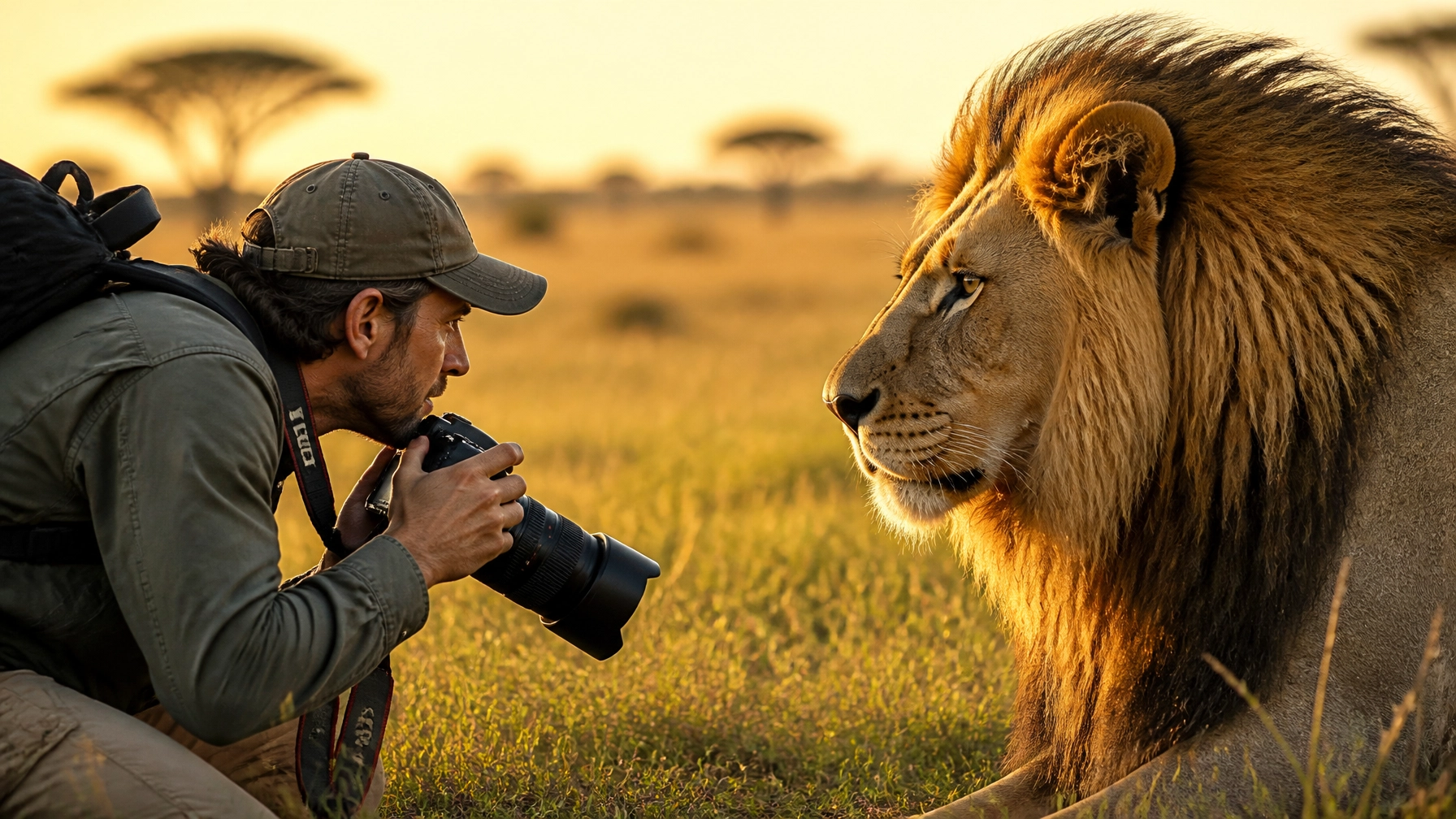
1. Shooting from "Human Height"
Most photos are taken standing up. This creates a "looking down" perspective. It is cold. It feels like a tourist at a fence.
The Fix: Get low.
- Drop to the animal’s eye level.
- Create a direct connection.
- Make the viewer feel like they are in the habitat, not outside it.
When you look a wild tiger in the eye, the power shift is immediate. It stops being a photo of a tiger. It becomes a portrait of a living being.
2. Ignoring Negative Space
Marketers need room to breathe. A photo where the animal fills the entire frame is useless for a website banner or an ad. There is no place for a headline. No place for a logo.

The Fix: Leave copy space.
- Composition should be intentional.
- Place the subject on the left or right third.
- Use a soft, out-of-focus background for the other side.
- Design for the final use case, not just the subject.
Our library of polar bear imagery prioritizes both landscape and portrait formats. This ensures your design team doesn't have to fight the photo to make it work.
3. Missing the Storytelling
A generic shot of an animal sitting still is a record. It is not a story. Conservation is about action, survival, and care.

The Fix: Capture micro-moments.
These moments feel rare. They feel authentic. Authentic images drive conservation storytelling. People don't donate to a species; they donate to a story.
4. Overlooking User-Generated Content (UGC)
Professional photography is your foundation. But it shouldn't be your only tool. Zoos often ignore the thousands of photos guests take every day. This is a massive missed opportunity for real-time engagement.

The Fix: Leverage the ZooMedia.us app.
- Let guests share their own moments.
- Create a loop of user-generated content.
- Track ROI through social sharing and real-time engagement.
- Humanize your brand. Show the connection between your guests and your animals.
UGC creates a community. Professional stock photography provides the polish. Together, they create a complete marketing ecosystem.
5. Using Generic Visuals for Sponsorships
When a company sponsors a species, they want to feel "Presented by." Using a generic stock photo found on five other websites devalues that sponsorship. It feels cheap. It feels temporary.
The Fix: Use Sponsored Species Spotlights.
- Create high-impact, exclusive-feeling visuals for your partners.
- Use "Presented by" animal pages that feature specific, high-quality imagery.
- Match the brand’s tone to the animal’s personality.
- A luxury brand might sponsor a majestic giraffe.
- A tech firm might align with the intelligence of birds.
Customized imagery shows the sponsor you value their investment. It moves the relationship from a transaction to a partnership.
6. Static Layouts for Diverse Platforms
We live in a vertical world, but many photographers still think in horizontal. If your animal shots don't crop well for mobile, you are losing 80% of your audience.

The Fix: Shoot for the format.
- Ensure the subject remains the focus when cropped to 9:16 for Instagram Reels or TikTok.
- Use wide 16:9 shots for desktop headers.
- Keep the "action" centered if you aren't sure how it will be used.
Our hyena gallery and other categories are curated to work across all digital platforms. We save you the time of finding a photo that doesn't "break" on a phone screen.
7. Forgetting the "Why" (Conservation and ESG)
Your imagery should reflect your values. If your photos look like they could have been taken anywhere, they don't help your mission. Every image is a chance to show your commitment to animal welfare and conservation.
The Fix: Align with ESG-friendly narratives.
- Show animals in lush, naturalistic environments.
- Avoid shots that look "caged" or stressed.
- Use soft, natural lighting. Avoid harsh flashes that disturb the animals.
- Be transparent. Use photography that highlights the reality of the work you do.
Summary of Fixes
| Mistake | Solution |
|---|---|
| High angle | Get to eye level |
| Tight framing | Leave copy space |
| Static posing | Capture micro-expressions |
| Ignoring guests | Use ZooMedia.us for UGC |
| Generic stock | Use Sponsored Spotlights |
| Format locked | Use portrait and landscape |
| Value-less shots | Focus on conservation stories |
Elevate Your Visual Strategy
Better photos lead to better results. It is that simple.
Zoo Imagery provides the high-resolution, professional assets you need to save time and money. From "Presented by" pages to our innovative ZooMedia.us app, we help zoos and aquariums drive engagement through world-class animal photography.
Stop settling for "good enough."
Explore the Zoo Imagery Library or connect with us on LinkedIn to see how we can transform your marketing today.


