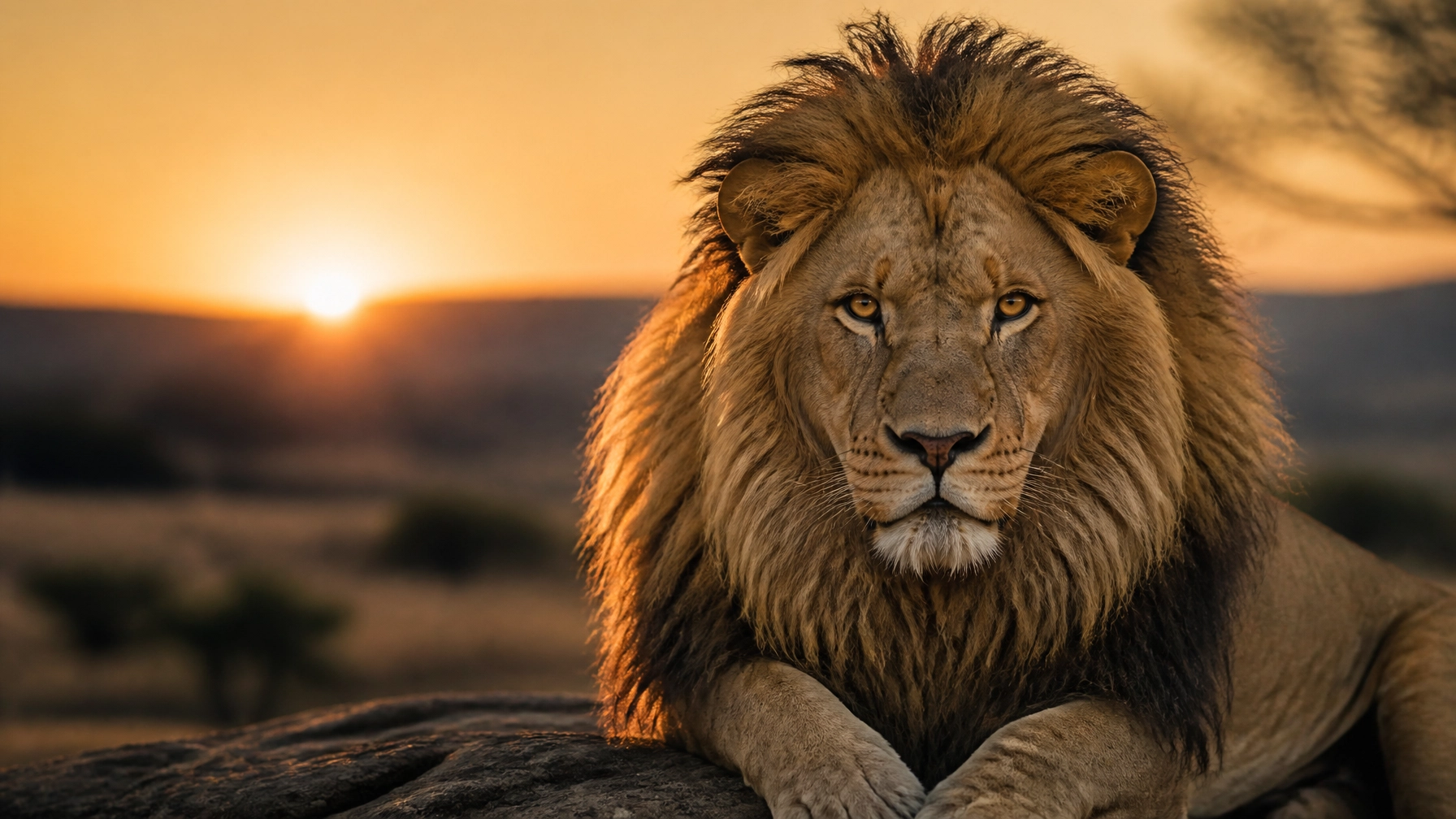
7 Mistakes You’re Making with Zoo Animal Photos (and How to Fix Them)
Photography drives zoo engagement. High-quality imagery stops the scroll. It sells tickets. It builds conservation support.
But most zoo photos fail. They look amateur. They feel clinical. They miss the emotional mark.
Here are the 7 most common mistakes and how to fix them.
1. Shooting from a "Human" Height
Most people stand. They point the camera down. This is the "visitor perspective." It is detached.
The Problem:
- The animal looks small.
- The viewer feels like an outsider.
- The photo lacks intimacy.
The Fix:
- Get low.
- Level your lens with the animal’s eyes.
- Use a crouched or seated position.
- This creates a peer-to-peer connection.
Our stock library at Zoo Imagery prioritizes eye-level portraits. These shots make the viewer feel like they are in the habitat, not behind a fence.
2. Ignoring the "Background Noise"
Zoo environments are busy. Signage. Trash cans. Fences. Glass reflections. These kill the magic.
The Problem:
- A pole "growing" out of a tiger’s head.
- Bright blue recycling bins in the corner.
- Reflections of your own face in the glass.
The Fix:
- Check the edges of your frame before shooting.
- Use a wide aperture (low f-stop).
- Blur the background into a soft bokeh.
- Focus strictly on the eyes.

3. Fighting the Midday Sun
Most guests visit between 11 AM and 3 PM. This is the worst time for photography.
The Problem:
- Harsh shadows under the eyes.
- Blown-out highlights on white fur.
- Flat, unappealing colors.
- Animals are often less active and sleeping in shade.
The Fix:
- Shoot during the "Golden Hour."
- Early morning or late afternoon.
- The light is soft. The colors are warm.
- If you must shoot midday, find shaded exhibits.
- Look for indoor aviaries or aquariums where light is controlled.
4. Neglecting the "Presented by" Strategy
Zoos rely on sponsorships. But many marketers forget to integrate these into their visual storytelling.
The Problem:
- High-quality photos with no brand context.
- Missed opportunities for donor recognition.
- Generic content that doesn't serve ESG (Environmental, Social, and Governance) goals.
The Fix:
- Use "Presented by" animal pages.
- Create sponsored species spotlights.
- Feature a specific species alongside branding that feels natural, not forced.
- Showcase the animal as a hero of a conservation story.
We help zoos design these "Presented by" layouts. They turn a simple photo into a high-value marketing asset.

5. Thinking Only in Landscape
Instagram is vertical. TikTok is vertical. Most professional photography is horizontal.
The Problem:
- Landscape photos get cropped awkwardly on social media.
- Essential details are lost.
- Low engagement on mobile devices.
The Fix:
- Shoot in portrait mode (vertical).
- If using stock, choose a library that offers both formats.
- Zoo Imagery provides diverse categories in both landscape and portrait.
- This saves time in post-production.
- It ensures your content fits the platform.
6. Overlooking User-Generated Content (UGC)
Professional photos are essential. But they aren't everything. Guests want to see what other guests see.
The Problem:
- Over-produced feeds can feel "fake."
- Missing out on real-time engagement.
- High cost of constantly producing new "hero" shots.
The Fix:
- Leverage the ZooMedia.us app.
- Allow guests to share their own photos easily.
- Turn visitors into brand ambassadors.
- Capture authentic, raw moments.
- This drives higher ROI through organic reach.

7. Selecting "Static" Over "Story"
A sleeping lion is a common sight. It is also boring.
The Problem:
- Static poses don't evoke emotion.
- The photo tells no story.
- It doesn't highlight animal welfare or enrichment.
The Fix:
- Wait for behavior.
- A yawn. A stretch. A playful interaction with enrichment.
- Capture the "micro-expressions."
- Show the connection between keepers and animals.
- Use photography to tell a story of care and conservation.
Summary Checklist for Better Zoo Photos:
- Perspective: Get down to eye level.
- Clarity: Scan for background distractions.
- Timing: Use early or late light.
- Strategy: Include sponsored species spotlights.
- Format: Shoot for vertical social feeds.
- Authenticity: Use the ZooMedia.us app for UGC.
- Motion: Look for behavior and action.
Elevate Your Visual Content
High-quality imagery is no longer optional. It is the baseline.
Whether you need professional stock photography for your website or an innovative app to engage your visitors, we have the tools.
- Creative Professionals: Browse our library for stunning, high-res animal photos.
- Zoo Marketers: Leverage the ZooMedia.us app for real-time ROI tracking.
Stop making the same mistakes. Start telling better stories.
Visit us at ZooImagery.com or follow our updates on LinkedIn.


