7 Mistakes You’re Making with Wildlife Campaigns (and How to Fix Them)
Wildlife campaigns are changing. They aren’t just about "save the animals" anymore. Today, audiences want transparency. They want real impact. They want to see the work being done on the ground.
At Zoo Imagery, we see hundreds of campaigns. Many zoos and aquariums fall into the same traps. They use tired language. They use the wrong photos. They miss the mark on ESG goals by hiding behind corporate jargon.
If your engagement is stalling, you might be making these mistakes. Here is how to fix them.
1. Using Generic Stock Photography
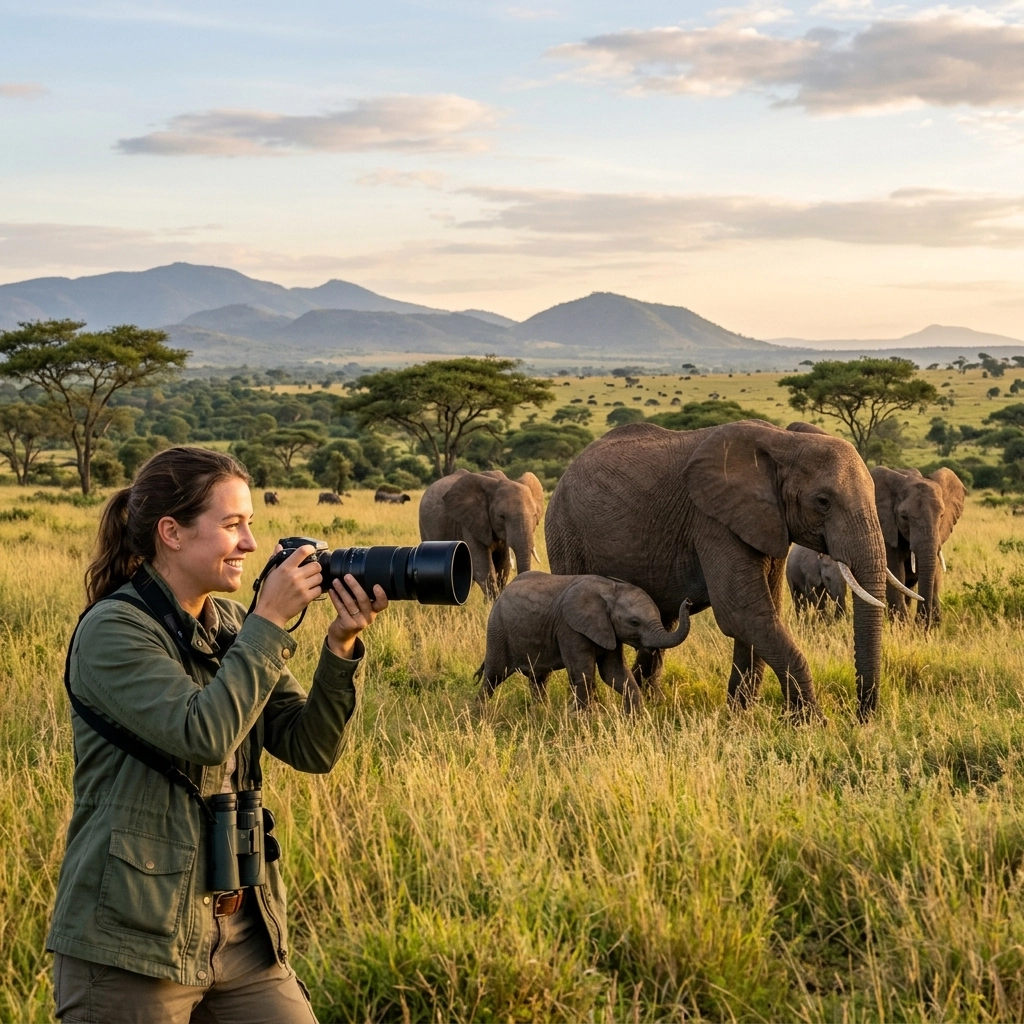
The biggest mistake is using "safari" photos for local conservation. If your zoo is in the Midwest but your campaign features a stock photo of an elephant in the Serengeti, the connection is lost.
Audiences can spot generic stock from a mile away. It feels disconnected. It feels like an ad, not a mission.
The Fix: Use authentic, high-resolution imagery of your specific animals. Show the animals your visitors actually see. Show the specific habitats you are working to protect. Authentic visuals build trust.

2. Overloading on ESG Buzzwords
"Sustainability initiatives." "Biodiversity frameworks." "Carbon sequestration strategies."
These words mean something to a board of directors. They mean very little to a family looking at a red panda. When you lean too hard on buzzwords, you lose the emotional core of your campaign. People don't donate to a "framework." They donate to a future for a species.
The Fix: Speak human. Instead of "biodiversity loss," talk about "fewer birds in the trees." Instead of "ESG-aligned conservation," say "We are keeping our local rivers clean." Strip the jargon. Keep the impact.
3. Forgetting the Human Element
Wildlife campaigns often focus exclusively on the animals. It makes sense. Animals are the stars. But conservation is a human story. It is about the keepers, the vets, and the local communities.
When you leave out the humans, you leave out the effort. You make it look easy. It isn't easy.
The Fix: Feature your staff. Show the "Behind the Scenes" work. A photo of a veterinarian examining a turtle is often more powerful than a photo of just the turtle. It shows the care. It shows the commitment.

4. Measuring the Wrong Metrics
Many campaigns are judged by "likes" and "shares." These are vanity metrics. They don't always translate to conservation awareness or ticket sales. You can have a viral video that results in zero actual impact for your mission.
The Fix: Look at engagement quality. Are people asking questions? Are they clicking through to learn about your species spotlights? Focus on metrics that show a deep understanding of your work, not just a quick tap on a screen.
5. Inconsistent Messaging Across Channels
Your Instagram looks like a National Geographic documentary. Your onsite signage looks like a 1990s textbook. Your website feels like a corporate brochure.
When the visual language is inconsistent, the brand feels fragmented. It makes your zoo or aquarium look less professional and less reliable.
The Fix: Create a unified digital media library. Ensure your marketing team, your education team, and your fundraising team are using the same high-quality assets. Consistency builds a strong brand identity.

6. Static Content in a Video-First World
Photos are essential. We love photos. But in 2026, static imagery alone isn't enough. Social algorithms favor motion. If your campaign is 100% still images, you are reaching 20% of your potential audience.
The Fix: Incorporate short-form video. High-resolution clips of animal behavior. Time-lapses of habitat restoration. Quick interviews with conservationists. You don't need a movie crew. You just need authentic motion.
7. The Weak "Sponsored Species" Approach
Many zoos offer species sponsorships. Too often, these feel like a transaction. "Pay money, get your logo on a plaque." It’s uninspiring for the sponsor and the audience.
The Fix: Turn sponsorships into storytelling. Create a "Presented by" animal page. Use sponsored species spotlights to tell a deeper story. Show the sponsor how their funds are specifically helping that animal. Make it an experience, not a line item.
Why Simple Messaging Wins
At Zoo Imagery, we believe in simplicity.
The most effective campaigns are direct. They don't over-explain. They let the quality of the imagery do the heavy lifting. When you have a stunning, high-resolution photo of a snow leopard, you don't need five paragraphs of text. You just need a clear message.
Avoiding the "Corporate" Trap
Corporate tone kills wildlife enthusiasm. When zoos start sounding like law firms, they lose their soul. Keep it casual. Keep it honest. Be transparent about the challenges your species face. People appreciate honesty more than a polished PR statement.
The Power of the Spotlight
One of the most effective tools for any zoo or aquarium is the species spotlight.
Instead of trying to talk about "wildlife" as a broad concept, pick one. One animal. One story. One specific problem. One specific solution. This focus prevents "donor fatigue" and keeps the audience engaged with a narrative they can follow.

Moving Forward
The world needs zoos and aquariums now more than ever. Your marketing campaigns are the bridge between the public and the mission of conservation.
Avoid the mistakes.
Focus on authenticity.
Tell real stories.
If you need a partner to help manage your digital media or provide the high-quality stock photography your campaigns deserve, we are here.
What to do next:
- Audit your current imagery. Is it generic or authentic?
- Review your copy. How many buzzwords can you delete today?
- Check your humans. When was the last time you featured a staff member?
- Simplify your CTA. What is the one thing you want people to do?
Work with Zoo Imagery
We provide professional stock photography and digital media solutions specifically for zoos and aquariums. No complex pricing. No confusing licenses. Just high-quality assets to help you tell your story.
Learn more about how we can support your next ESG-aligned campaign.
Visit us: https://zooimagery.com
Follow our updates: Zoo Imagery on LinkedIn
Let’s keep it simple. Let’s keep it real.
: Dan Kost, CEO, Zoo Imagery


