7 Mistakes You’re Making with Sustainable Wildlife Marketing (and How to Fix Them)
Marketing for zoos and aquariums has changed.
Audiences in 2026 are different.
They are skeptical.
They want proof, not promises.
They want raw connection, not polished brochures.
If your marketing feels like a corporate report, you are losing.
If it feels like "business as usual," you are invisible.
Here are the 7 biggest mistakes in wildlife marketing today: and how to fix them.
1. Using Vague "Eco-Friendly" Language
Broad claims are dangerous.
Terms like "green," "sustainable," and "eco-friendly" have lost their meaning.
Regulators are watching.
Customers are scrolling past.
The Mistake:
Relying on buzzwords to signal your values.
Using future-tense promises ("We will be…") instead of current actions.
The Fix:
Be specific.
Replace "We care about the planet" with "We restored 500 acres of local wetlands in 2025."
Talk about water usage in gallons.
Talk about energy in percentages.
Numbers build trust. Words build doubt.
2. Relying on Staged, Synthetic Visuals
Stock photos of perfect families pointing at animals look fake.
Because they are.
In an age of AI and filters, authenticity is the only currency that matters.

The Mistake:
Using generic imagery that doesn't reflect your specific animals or mission.
Over-editing photos until the wildlife looks like a 3D render.
The Fix:
Use high-quality animal photography that captures raw moments.
Focus on the "micro-expressions" of the animals.
Show the dirt. Show the rain.
Natural lighting. Documentary style.
Authentic visuals tell a story that a staged photo never can.
3. Ignoring the "Data Void"
Marketing isn't just about pretty pictures.
It’s about impact.
If you can’t measure how your digital content drives real-world support, you are guessing.
The Mistake:
Tracking "likes" instead of engagement ROI.
Failing to link a social post to a specific conservation outcome.
The Fix:
Use technology to bridge the gap.
The ZooMedia.us app allows guests to share photos they take on-site.
This creates user-generated content (UGC).
More importantly, it provides real-time engagement results.
You can see exactly which exhibits drive the most sharing and support.
Stop guessing. Start tracking.
4. Treating Conservation as a "Side Project"
Sustainability isn't a tab on your website.
It is your product.
If your marketing treats conservation as a secondary CSR effort, visitors will too.
The Mistake:
Keeping your best stories hidden in annual reports.
Separating "fun" guest experiences from "serious" conservation work.
The Fix:
Embed the mission into the journey.
Every animal photo should have a "why."
When you feature elephants, don't just show them eating.
Show how your facility supports their wild counterparts.
Link the awe of the moment to the urgency of the protection.
5. Static Engagement in a Mobile World
Visitors are on their phones.
You can fight it, or you can use it.
If your marketing stops the moment someone walks through your gates, you’ve missed the biggest opportunity.

The Mistake:
Forgetting the "in-park" digital experience.
Failing to provide tools for guests to become your best marketers.
The Fix:
Leverage mobile marketing solutions.
Encourage guests to take and share photos through your own branded channels.
Use geofencing to push conservation stories when someone is standing in front of a giraffe or a lion.
Turn a passive walk into an active, digital-first adventure.
6. The "Poster Child" Problem
Everyone loves pandas.
Everyone loves lions.
But a healthy ecosystem relies on the species people don't see.

The Mistake:
Only marketing the "Big Five."
Ignoring birds, fish, and hyenas.
The Fix:
Diversity sells.
Highlight the rare, the strange, and the overlooked.
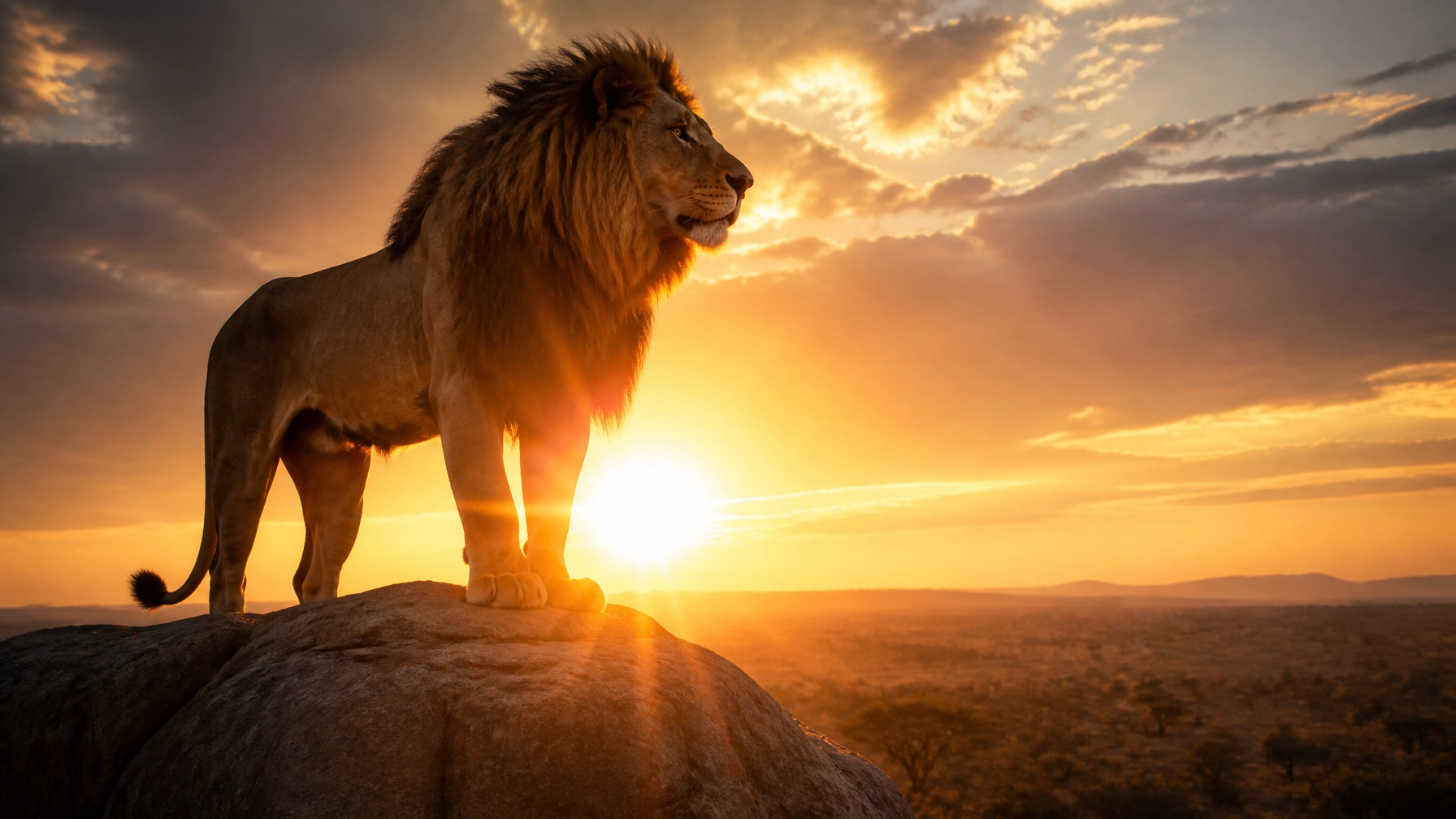
Use stunning photography to make a polar bear or a tiny tropical bird look as majestic as a king.
Broadening your species spotlight proves your commitment to the entire ecosystem, not just the famous parts.
7. Hiding the "How"
Transparency is the new marketing.
In 2026, people want to know how you operate.
Where does the food come from? How are the animals cared for behind the scenes?
The Mistake:
Presenting a curated, "perfect" front and hiding the hard work.
Fear of showing the reality of wildlife management.
The Fix:
Open the curtain.
Show your keepers at work.
Show your vets in the field.
Use "Hero Shots" of your team to show the human side of your mission.
When guests see the dedication, they feel a deeper connection to the cause.
The Path Forward
Wildlife marketing is no longer about selling tickets.
It is about building a community of advocates.
Start with better visuals.
Back them up with real data.
Give your guests the tools to tell your story.
Quality over quantity.
Proof over promises.
Connection over corporate speak.

Ready to transform your zoo's marketing?
Explore our library of stunning animal photography to elevate your next campaign.
Save time. Save money. Save wildlife.
Visit ZooImagery.com or follow us on LinkedIn for more marketing insights.


