7 Mistakes You’re Making with Sustainable Marketing (and How Your Zoo Animal Photos Can Fix Them)
Sustainable marketing isn't about the color green. It is about trust.
Most brands get this wrong. They use buzzwords. They hide behind vague promises. For zoos and aquariums, the stakes are higher. You aren't just selling a product. You are protecting life.
When your marketing feels corporate, you lose the mission. When you use generic visuals, you lose the connection.
Here are seven common mistakes in sustainable marketing. And how the animals in your care can fix them.
1. Hiding Behind Buzzwords
"Eco-friendly." "Green." "Sustainable."
These words are tired. They have lost their edge. Consumers see them and think "marketing." They don't think "action."
Avoid the jargon. It creates a wall between you and your audience.
The Fix: Show the Species
Instead of saying you support biodiversity, show a Red Panda.
Use a high-quality photo of a specific animal. Tell a specific story. If you are funding a habitat in the Himalayas, show the animal that lives there.
A photo of a real animal is proof. Jargon is just noise.

2. Using Generic Stock Photography
People can spot a stock photo from a mile away.
Generic images of "nature" or "hands holding a plant" feel disconnected. They don't represent your specific institution. They don't represent your unique residents.
If your marketing looks like everyone else’s, your mission feels like everyone else’s.
The Fix: Your Own Residents
Your zoo has a library of faces. Use them.
The Gorilla your community has watched grow up. The Sea Turtle you rehabilitated. These animals have names. They have histories.
Authentic photography builds a bridge. It tells the viewer: "This is happening here. Right now."
3. Prioritizing Data Over Connection
Data is important for reports. It is rarely effective for engagement.
"We increased conservation funding by 12%" is a fact. It isn't a feeling. People don't donate to spreadsheets. They donate to individuals.
The Fix: The Portrait Power
Close-up photography.
Focus on the eyes. The texture of the skin. The personality of the animal. A portrait of a Sumatran Tiger creates an immediate, visceral reaction.
Use the photo to open the door. Save the 12% for the caption.

4. Failing the "Transparency Test"
Greenwashing is a real fear.
If a brand makes a claim but doesn't show the process, people get suspicious. Sustainable marketing requires radical honesty.
If you are working on an ESG-aligned campaign, you must show the work. Not just the result.
The Fix: Behind-the-Scenes Media
Document the process.
Photos of veterinary check-ups. Images of researchers in the field. Documentation of the "Presented by" animal pages you manage.
When you show the effort, you prove the intent. Transparency is the best marketing strategy you have.

5. Ignoring the Local Impact
Global conservation is vital. But your visitors live in your backyard.
A common mistake is focusing exclusively on distant problems. People want to know how you are helping their community. How you are protecting local wildlife.
The Fix: Sponsored Species Spotlights
Highlight the animals that matter to your region.
Use your photography to showcase local conservation efforts. Create "Sponsored Species" campaigns that resonate with local businesses.
Connect the global mission to the local landscape. Use high-quality imagery to make the "local" feel "grand."
6. Inconsistent Storytelling
Sustainability isn't a seasonal event.
Many brands post about the environment once a year. On Earth Day. Then they go silent. This feels performative.
Trust is built through consistency.
The Fix: A Digital Media Library
You need a deep well of content.
High-quality stock photography of your zoo’s animals allows you to tell stories daily. Not just during holidays.
A steady stream of wildlife trends. Regular updates on conservation milestones. Keep the conversation going. Consistency proves commitment.

7. The "Sad Animal" Trap
For years, conservation marketing relied on guilt.
Images of suffering. Depressing statistics. It works for a moment, but it leads to "compassion fatigue." People stop looking because it hurts to look.
The Fix: Beauty and Wonder
Shift the narrative.
Focus on the majesty of the animal. The beauty of the natural world. Use photography that inspires awe rather than pity.
Show what we are protecting. Not just what we are losing. Positive imagery leads to long-term engagement. It makes people want to be part of the solution.
Why Visuals Matter for ESG
Environmental, Social, and Governance (ESG) goals are often viewed as corporate checkboxes.
They shouldn't be.
At their core, ESG goals are about responsibility. For a zoo or aquarium, that responsibility is tangible. It breathes. It eats. It grows.
Your photography is the evidence of your ESG commitment.
- Environmental: Photos of healthy habitats and thriving species.
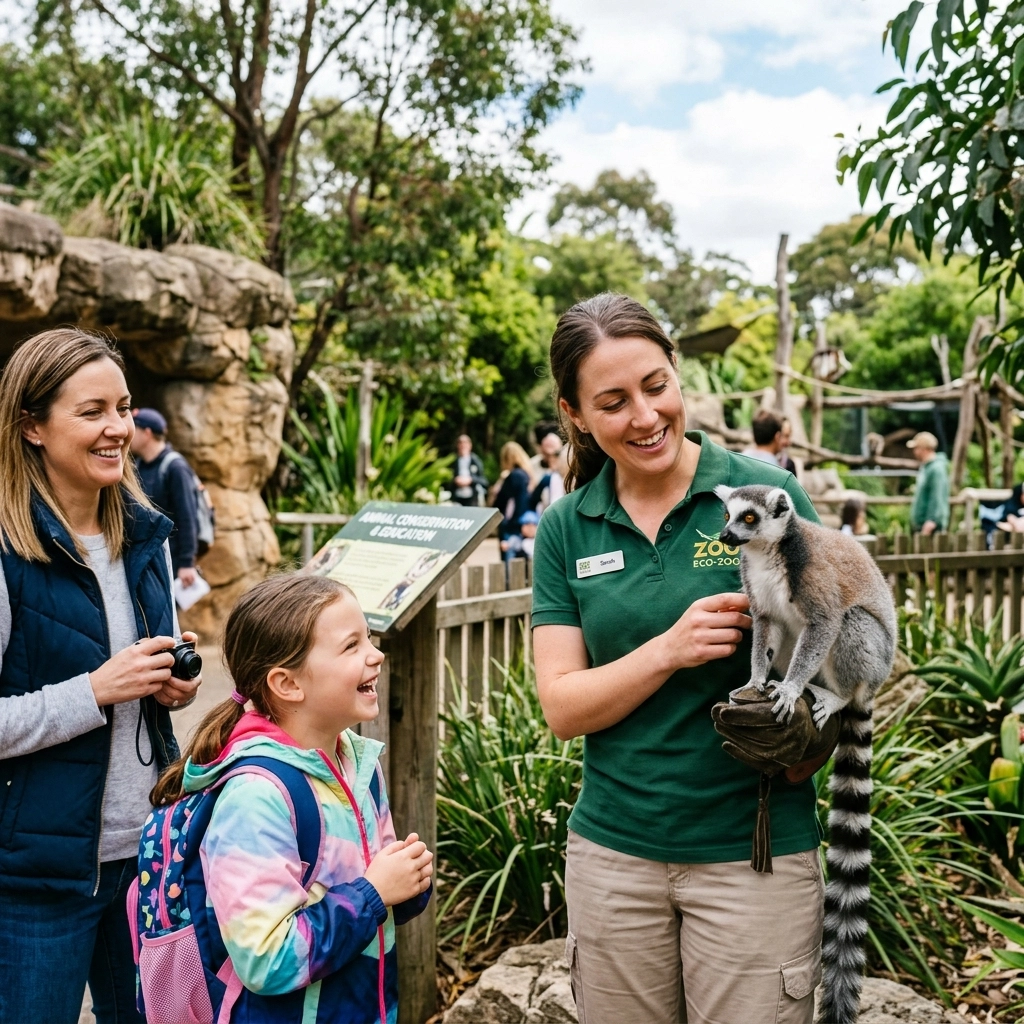
- Social: Images of education programs and community interaction.
- Governance: Visual documentation of animal welfare standards and ethical operations.
Don't just report your progress. Visualize it.

Simple Steps to Better Content
You don't need a massive marketing team. You need better assets.
- Audit your current photos. Are they generic? Are they low resolution?
- Focus on the "Who." Who is the animal? What is its name? What is its role in the ecosystem?
- Keep the copy short. Let the image do the heavy lifting.
- Be honest. If a project is ongoing, say so. Show the progress.
- Use your library. Don't let great photos sit on a hard drive. Use them across every channel.
Sustainable marketing is just marketing that tells the truth.
Animals are the ultimate truth-tellers. They don't use buzzwords. They don't hide behind jargon. They are simply themselves.
Use that.
Capture the light in their eyes. The strength in their movement. The reality of their existence. That is how you fix your marketing.
Need Better Imagery?
At Zoo Imagery, we provide high-quality stock photography and digital media solutions. We help you tell the stories that matter.
Stop using generic stock. Start using photos that represent your mission.
Visit zooimagery.com to explore our library.
Follow us on LinkedIn for more insights on wildlife trends and marketing for zoos and aquariums.
Simple. Transparent. Impactful.
That is Zoo Imagery.


