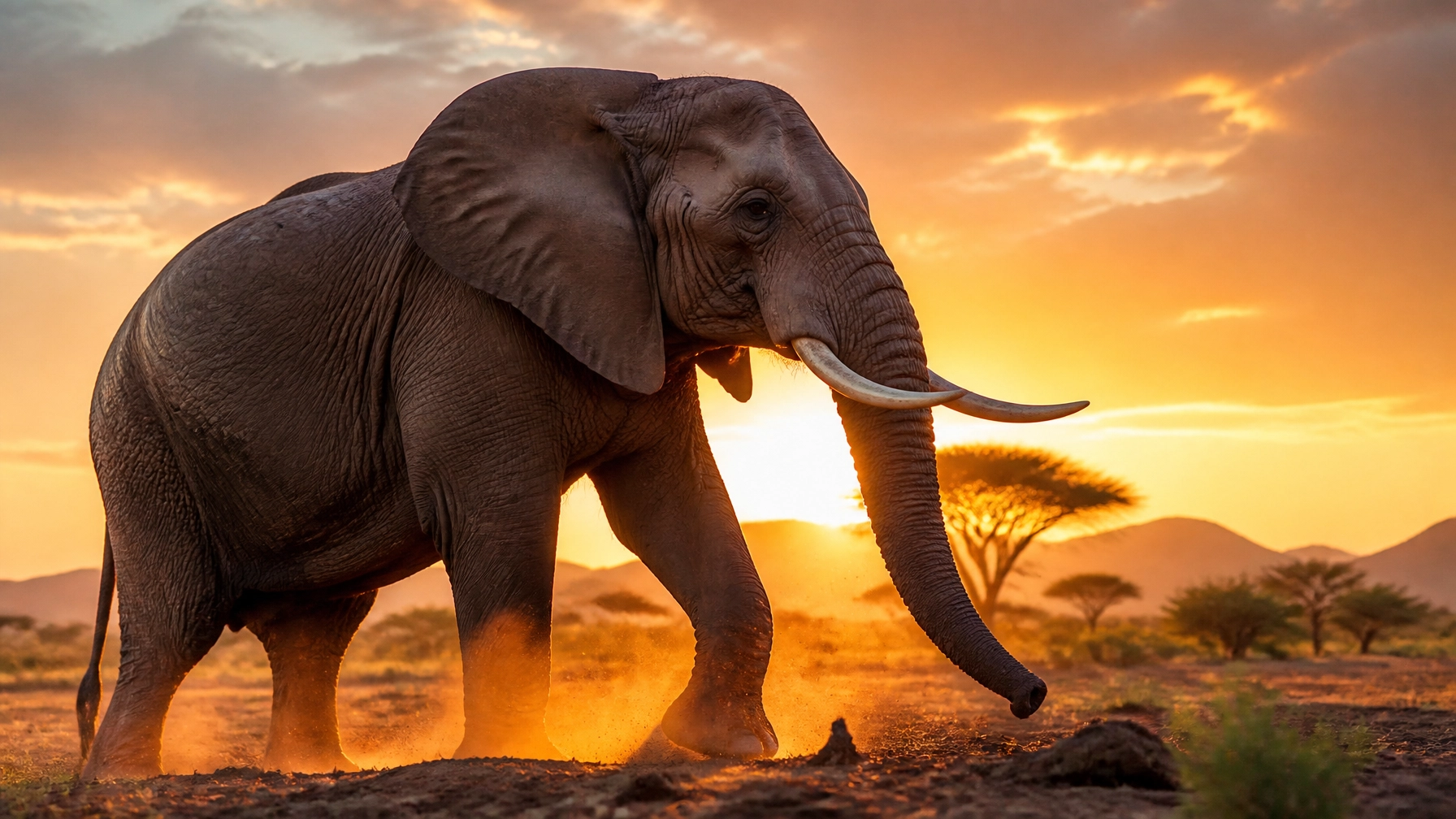
7 Mistakes You’re Making with Ethical Wildlife Marketing (and How to Fix Them)
Ethics in wildlife marketing isn't a trend.
It’s a requirement.
Audiences are smarter. They see through "feel-good" fluff.
They want truth. They want impact.
Zoos and aquariums are under a microscope.
If your marketing feels like entertainment, you’re losing trust.
Here are the seven biggest mistakes in wildlife marketing and how to fix them today.
1. Using Conservation-Washing
Many facilities claim "conservation" as their primary goal.
Often, the data doesn't match the claim.
If 90% of your marketing is about "cute babies" and 0% is about "field research," people notice.
The Fix:
Show the work.
Don't just say you save species.
List the programs. Show the reintroduction results.
Share the percentage of revenue going to habitat protection.
Transparency is the new "marketing."
Be a guardian, not just an exhibitor.
2. Animals as Entertainment
The era of animal shows is over.
Marketing that features animals "performing" or "posing" for selfies creates a brand of exploitation.
It frames wildlife as a product for human amusement.
This triggers immediate pushback from modern conservation-minded visitors.
The Fix:
Prioritize "observer-only" experiences.
Feature imagery of natural behaviors.
A tiger stalking through grass is more powerful than a tiger jumping through a hoop.
Promote the "quiet moment."
Sell the privilege of witnessing, not the thrill of touching.

3. Excessive Anthropomorphism
Giving animals human emotions or names for "likes" is tempting.
It’s also misleading.
When we frame a gorilla’s stress as a "smile," we lie to the audience.
Anthropomorphism devalues the unique biology of the animal.
The Fix:
Use biological language.
Explain the behavior.
Why is that lion yawning? Why is the bird preening?
Education builds deeper connections than "cuteness" ever will.
Let the animal be an animal.
Their reality is more fascinating than our fiction.
4. Hiding Contentious Practices
Every zoo faces difficult questions.
Surplus animals. Breeding policies. End-of-life care.
Staying silent on these issues looks like evasion.
In 2026, silence is a PR risk.
The Fix:
Address the hard stuff.
Publish your ethics policies.
Explain why you breed specific species.
Be honest about the limitations of captivity.
Audiences respect honesty. They fear secrets.
Own the narrative before someone else does.
5. Poor Imagery Sourcing
Low-quality stock photography hurts your brand.
Generic images often misrepresent species or show animals in poor conditions.
Using a photo of a wild tiger for a post about a captive breeding program is dishonest.
The Fix:
Invest in high-quality, authentic photography.
Use libraries like Zoo Imagery that specialize in professional, ethical wildlife shots.
Real photography captures the soul of the animal.
It shows the details: the texture of the skin, the focus in the eyes.
Quality images reflect a quality institution.

6. Ignoring the Shift to "Guardianship"
The public no longer views zoos as "owners" of animals.
They are seen as "guardians."
If your marketing still uses terms like "our collection" or "our display," you are behind the curve.
The Fix:
Audit your language.
Switch to "stewardship," "care," and "protection."
Frame your facility as a sanctuary or a bridge to the wild.
Show the relationship between the keeper and the animal.
It’s a partnership of care, not a ledger of assets.
7. Passive User-Generated Content (UGC)
Visitors take thousands of photos.
They often share "bad" moments: animals looking stressed, people getting too close, or feeding.
Repurposing this content without a filter is dangerous.
It normalizes poor behavior.
The Fix:
Curate your UGC.
Use tools like the ZooMedia.us app.
Empower guests to share photos that align with your mission.
Give them "photo spots" that encourage ethical angles.
Reward the best shots of natural behaviors.
Turn your visitors into conservation photographers, not just tourists.

Why Authenticity Wins
Marketing is moving toward radical transparency.
ESG-aligned (Environmental, Social, and Governance) campaigns are the standard.
But don't use the acronyms.
Use the actions.
- Show your carbon footprint reduction.
- Highlight your indigenous community partnerships.
- Detail your water conservation efforts in aquariums.
When you align your marketing with real-world impact, you don't need buzzwords.
The results speak for themselves.
The Future of Marketing is Data + Heart
Zoos and aquariums are the front lines of conservation education.
Your marketing should reflect that.
Stop trying to "sell" a ticket.
Start trying to "enlist" an advocate.
Every person who walks through your gate should leave feeling like a guardian of the planet.
That starts with the first image they see on your social media feed.
Conclusion
Ethical wildlife marketing is a choice.
It’s a choice to be honest, even when it’s hard.
It’s a choice to value the animal over the click.
It’s a choice to lead the industry forward.
Avoid these seven mistakes.
Focus on authenticity.
Use high-quality visuals.
Engage your community through the right technology.
For stunning, professional animal photography that aligns with your ethical standards, explore our library at Zoo Imagery.
Follow us on LinkedIn for daily insights on wildlife marketing trends and conservation storytelling.


