7 Mistakes You’re Making with Animal Stock Photos (and How to Fix Them) in Your Daily Press Release
Zoo Imagery Daily Press Release
Date: June 23, 2026
Location: Denver, CO
Contact: press@zooimagery.com
Company Milestones: Expanding the Reach of ZooMedia.us
Today, we are proud to announce that the ZooMedia.us app has surpassed 500,000 active user-generated content shares across our partner zoos and aquariums. This milestone represents more than just numbers. It reflects a shift in how guests interact with wildlife. Visitors are no longer just observers. They are storytellers. By leveraging our real-time engagement platform, our partners have seen a 40% increase in social media reach without increasing their marketing spend.
Species Spotlight: The Polar Bear (Ursus maritimus)
Our library has recently expanded its Arctic collection. We’ve added 200+ high-resolution images of polar bears in their natural habitat.
Conservation Status: Vulnerable.
The Story: As sea ice declines, these apex predators face unprecedented challenges. Using authentic imagery helps communicate the urgency of climate action. Avoid using "cute" or "cuddly" shots when discussing survival. Use imagery that shows their power and the stark reality of their environment.
7 Mistakes You're Making with Animal Stock Photos
In the world of press releases, your choice of imagery is your first handshake with the reader. A poor photo choice doesn't just look bad. It undermines your credibility. It dilutes your message. It loses the click.
Here are the seven most common mistakes we see in daily animal-related press releases: and how to fix them.
1. Choosing Static Over Dynamic (The "Passport" Photo)
Many creators choose the "cleanest" photo. This usually means a centered animal looking directly at the camera. We call this the "passport photo." It is technically correct but emotionally vacant.
- The Impact: Your audience feels no connection. They see a specimen, not a living being.
- The Mistake: Prioritizing symmetry over soul.
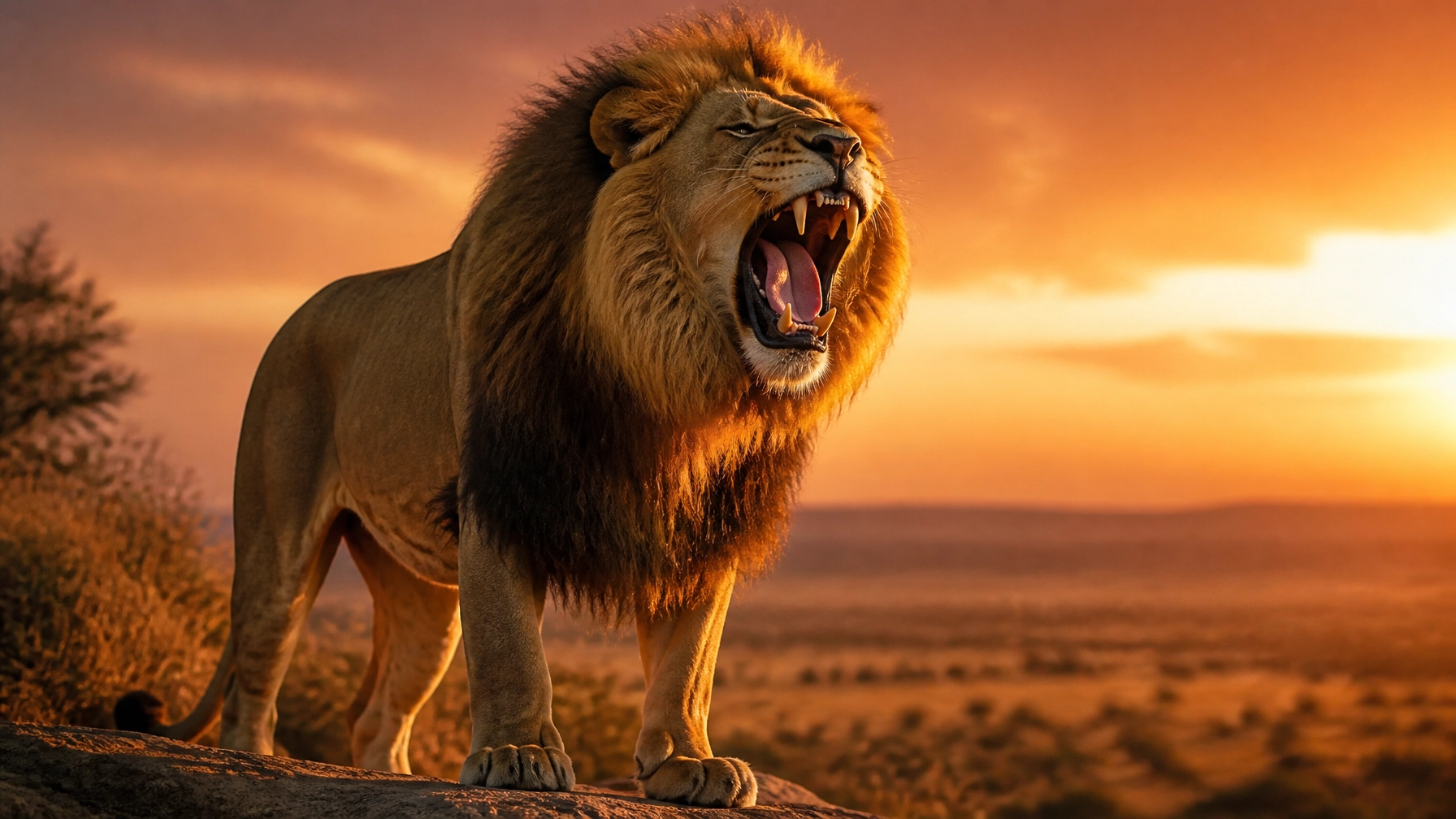
- The Fix: Look for "micro-expressions." A lion mid-yawn. A tiger's focused gaze on a distant object. A bird mid-flight. Action creates narrative.
- Pro Tip: Use Zoo Imagery’s "Action" category. Filter for movement to find photos that feel alive.
2. Misaligning Species and Habitat
This is a common error in quick-turnaround press releases. Illustrating a story about African lions with a photo of a lion in a thick, deciduous forest (likely a captive setting) breaks immersion.
- The Impact: Local experts and enthusiasts will notice. Your brand loses its "authority" status.
- The Mistake: Treating all "greenery" as the same habitat.
- The Fix: Check the metadata or description. If your story is about the Serengeti, ensure the grass and light reflect that geography.
- Conservation Storytelling: Authentic habitat shots help viewers understand the ecosystem, not just the animal.

3. Normalizing Unsafe Human Interaction
Using stock photos of humans touching, hugging, or feeding wild animals is a significant ethical error. This is especially prevalent in stories about wildlife tourism or rehabilitation.
- The Impact: It encourages the public to seek out harmful "selfie" opportunities with wildlife.
- The Mistake: Thinking "cute" interactions drive engagement safely.
- The Fix: Use photos that show respectful distance. If a human must be in the shot, they should be in professional gear (rangers, researchers) or clearly separated by natural barriers.
- The Zoo Imagery Standard: Our library prioritizes documentary-style shots that respect the wildness of the subject.
4. Ignoring the "Vertical" Era
Most press releases are still designed for desktop monitors. However, most journalists and readers consume news on their phones. Using only landscape (16:9) photos is a missed opportunity.
- The Impact: On a mobile screen, landscape photos look small. They fail to grab attention during a scroll.
- The Mistake: Forgetting that social sharing is vertical.
- The Fix: Always include a portrait (9:16) or square (1:1) option in your press kit.
- ZooMedia Solution: Our app focuses on mobile-first content. Leverage user-generated vertical shots to supplement your professional press photos.

5. Megafauna Obsession
Lions, tigers, and bears get the most clicks. But they aren't the only animals that matter. Using a generic lion photo for every "wildlife" story makes your content feel repetitive.
- The Impact: Your audience becomes desensitized. The "Rarely but Best" rule of quality messaging is broken.
- The Mistake: Relying on "The Big Five" for every campaign.
- The Fix: Spotlight lesser-known species. A Shoebill stork. A Pangolin. A Fennec fox. These "rare" visuals stop the scroll because people haven't seen them a thousand times.
- Strategy: Use a well-known animal as the hero, but use the "Rarely" species in the body of your release to keep readers engaged.
6. Using "Studio" Shots for Conservation Stories
Photos with plain white or black backgrounds are great for product packaging. They are terrible for conservation storytelling.
- The Impact: The animal looks like a product, not a part of nature. It removes the "why" from your conservation message.
- The Mistake: Using high-contrast studio shots to appear "professional."
- The Fix: Use documentary-style photography. Natural lighting. Dappled shade. Real dirt and wind. The "imperfections" of nature are what make the story believable.
- Zoo Imagery Philosophy: We believe in "Clean, Authentic, and Vibrant." Not "Sanitized and Plastic."

7. Forgetting User-Generated Content (UGC)
A press release shouldn't just be a one-way broadcast. It should be an invitation. Many organizations fail to include photos that look like they were taken by "real people."
- The Impact: The content feels corporate and distant.
- The Mistake: Only using polished, professional stock and ignoring the "human" element of the zoo or aquarium experience.
- The Fix: Mix high-end stock imagery with high-quality UGC.
- How to do it: Use the ZooMedia.us app to curate the best guest photos. These photos have a "trust" factor that professional stock can't replicate. They show the community's connection to the animals.
Why High-Resolution Matters
In a daily press release, you might be tempted to use a low-res image for speed. Don't.
A blurry tiger is a forgettable tiger.
A pixelated lion is a weak lion.
Zoo Imagery provides 4K-ready files. Every time.
Our photos are designed for:
- Digital billboards.
- Hero headers.
- Social media feeds.
- Print brochures.
The Power of Conservation Storytelling
Every image tells a story.
When you choose a photo of an elephant, you aren't just choosing an animal. You are choosing a representative for its species.
Choose images that convey dignity.
Choose images that convey the scale of the challenge.
Choose images that inspire hope.

Simple Steps to Better Press Releases
- Define the Emotion: Are you looking for joy, urgency, or awe?
- Check the Layout: Will this be seen on a phone or a laptop?
- Verify the Species: Does the animal in the photo match the animal in the text?
- Add a Call to Action: Don't just show the photo. Tell people where they can learn more.
Start Your Search
Quality matters. Authenticity wins.
Explore our diverse animal photography categories today.
Save time. Save money. Save the story.
Browse the Library: zooimagery.com
Follow Our Updates: LinkedIn Profile


