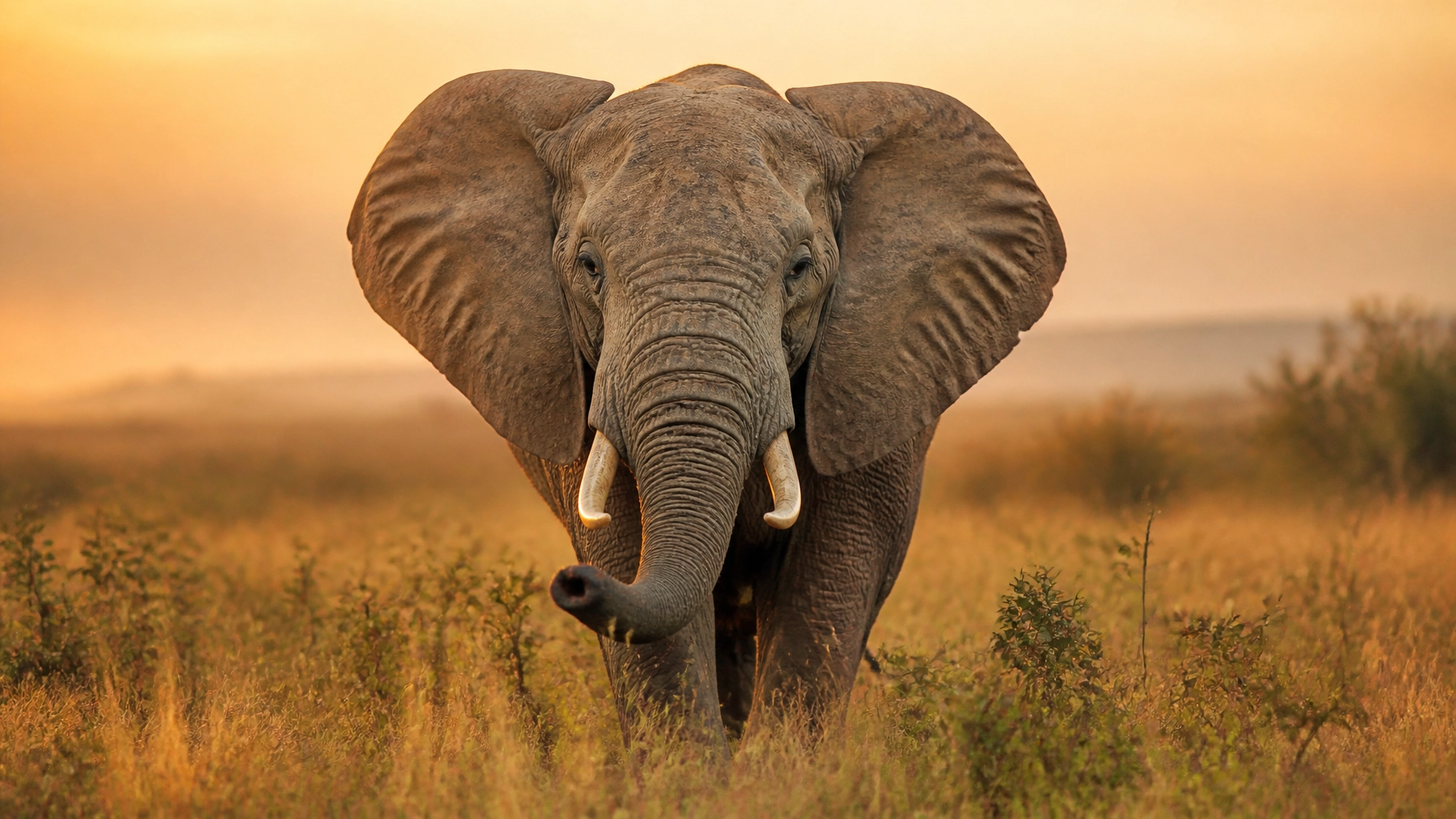
7 Mistakes You’re Making with Animal Stock Photos (and How to Fix Them for Your ESG Strategy)
Visuals communicate faster than text.
In environmental and social reporting, the wrong image creates a liability.
Stock photography is more than a filler.
It is a statement of ethics.
Many organizations fail here.
They use generic, misleading, or low-quality assets.
This damages trust.
It undermines conservation goals.
Here are seven common mistakes and how to correct them.
1. Misrepresenting Captive Animals as Wild
Authenticity is the foundation of modern reporting.
Using a photo of a zoo-housed animal to illustrate a "wild" conservation project is deceptive.
Audiences notice.
Stakeholders demand transparency.
The Error:
- Selecting images with artificial backgrounds.
- Using species in habitats where they do not exist.
- Failing to disclose the origin of the photograph.
The Risk:
- Accusations of "greenwashing."
- Loss of institutional credibility.
- Contradicting welfare standards.
The Fix:
- Use clear labels.
- Source from libraries that distinguish between wild and captive settings.
- Focus on elephants or polar bears in documented, natural environments.
- Align the image with the specific geographic region of your project.
2. Normalizing Dangerous Human-Animal Proximity
Engagement should not come at the cost of safety.
Images showing humans touching, feeding, or standing near wild animals are popular.
They are also dangerous.
They promote the idea that wildlife is approachable.

The Error:
- "Selfie" style photography with wildlife.
- Content showing animals being handled without protective gear.
- Images that prioritize "cuteness" over natural distance.
The Risk:
- Encouraging harmful tourist behavior.
- Normalizing habitat encroachment.
- Conflicting with "Respect Wildlife" messaging.
The Fix:
- Select images taken with long-distance lenses.
- Show animals in their natural state.
- Ensure all human presence in photos is professional and at a safe, respectful distance.
- Use photography that emphasizes the animal’s agency, not its interaction with people.
3. The "Portrait Bias" (Ignoring the Ecosystem)
A beautiful animal portrait is easy to sell.
It is often insufficient for a comprehensive environmental strategy.
Species do not exist in a vacuum.
They exist in habitats.
The Error:
- Only using tight close-ups of faces.
- Ignoring the surrounding landscape.
- Using "studio-style" animal shots with black or white backgrounds.
The Risk:
- Obscuring the real issue: habitat loss.
- Creating a disconnect between the species and its environmental needs.
- Making the animal look like a pet rather than a wild entity.
The Fix:
- Incorporate wide-angle shots.
- Show the birds in their canopy or the hyenas in the scrubland.
- Balance portraits with environmental storytelling.
- Highlight the relationship between the subject and its home.

4. Relying on Staged or Baited Photography
Ethical sourcing is a non-negotiable for 2026.
Baiting animals (feeding them to get a specific shot) is an industry problem.
It alters natural behavior.
It creates dependency.
The Error:
- Using images where animals look directly at the camera in an unnatural way.
- Purchasing photos of "dramatic rescues" that are clearly staged.
- Selecting predation shots that feel too "perfect" (often the result of luring).
The Risk:
- Funding unethical photographers.
- Spreading misinformation about animal behavior.
- Ethical backlash from conservation communities.
The Fix:
- Verify the provenance of your stock.
- Work with reputable agencies like Zoo Imagery.
- Choose "candid" moments.
- Look for natural motion and imperfect compositions that signal real-world observation.
5. Geographical and Species Mismatch
Precision matters.
Using an African lion to represent an Asian conservation initiative is a basic failure.
It suggests a lack of attention to detail.
The Error:
- Generalizing "big cats" or "monkeys."
- Placing species in the wrong hemisphere for a campaign.
- Using stock that does not match the local flora.
The Risk:
- Audience confusion.
- Erosion of local trust in regional projects.
- Poor performance in targeted marketing campaigns.
The Fix:
- Research the specific subspecies.
- Use categories like pandas specifically for Asian-centric initiatives.
- Double-check that the background vegetation matches the project location.
- Consult with experts if the species is not immediately recognizable.
6. Technical Laxity (Low Resolution and Poor Lighting)
Quality is a proxy for professionalism.
A blurry, pixelated image suggests a low-budget, low-effort operation.
Even the best message fails if the delivery is poor.

The Error:
- Using low-resolution web previews in print reports.
- Selecting images with "harsh" midday shadows.
- Over-cropping photos until they become noisy.
The Risk:
- Weak emotional impact.
- Perceived lack of transparency (blurry photos look hidden).
- Poor brand perception.
The Fix:
- Download high-resolution files.
- Prioritize "Golden Hour" or soft-light photography.
- Look for sharp focus on the eyes.
- Use professional-grade assets that hold up on large screens and in high-quality print.
7. Ignoring User-Generated Authenticity
Professional stock is essential.
It is not the only tool.
Modern zoos and aquariums thrive on community engagement.
Failing to integrate guest-generated content is a missed opportunity for ROI.
The Error:
- Relying exclusively on "perfect" agency photos.
- Dismissing the value of guest photography.
- Keeping marketing and visitor experience in separate silos.
The Risk:
- High content production costs.
- Low engagement on social media.
- A "corporate" feel that lacks personality.
The Fix:
- Implement tools like the ZooMedia.us app.
- Encourage guests to share their own photos.
- Blend professional animal photography with real, human moments.
- Use user-generated content to prove engagement and social impact.

Strategic Integration for Environmental Reporting
Visuals are your most powerful data point.
They prove your impact.
They show your commitment to biodiversity.
They build the bridge between corporate goals and real-world results.
Summary of Actionable Steps:
- Audit your current library. Remove any images with unethical or misleading origins.
- Standardize your sourcing. Use agencies that prioritize welfare and authenticity.
- Prioritize diversity. Move beyond "flagship" species to show entire ecosystems.
- Leverage technology. Use apps to capture the visitor’s perspective.
- Quality over quantity. Five powerful, ethical images are better than fifty generic ones.
Effective marketing is honest marketing.
Your images should reflect your values.
Avoid the shortcuts.
Focus on clarity.
Connect your audience to the wild in a way that respects the subject.
Explore our full library of stunning, high-resolution animal photography at Zoo Imagery.
Stay updated on wildlife trends and marketing insights.
Follow us on LinkedIn.


