7 Mistakes You’re Making with Animal Stock Photos (and How to Fix Them)
Stock photos of animals are everywhere. You see them on blog posts, in social media ads, and throughout corporate presentations. But there is a difference between a photo that fills space and a photo that builds a brand. Most people use animal imagery as an afterthought. They search for "lion" or "dog" and pick the first clear image they see.
At Zoo Imagery, we see how these choices impact engagement. If the photo feels generic, the audience checks out. If the quality is off, your message loses credibility.
Here are the seven most common mistakes people make with animal stock photography and the simple ways to fix them.
1. Choosing "Generic" Over "Specific"
The biggest mistake is choosing an animal just because it looks okay. You might need a photo of a bird, so you pick a common sparrow or a generic pigeon. These images don't tell a story. They are visual white noise.
The Fix: Use Species Spotlights
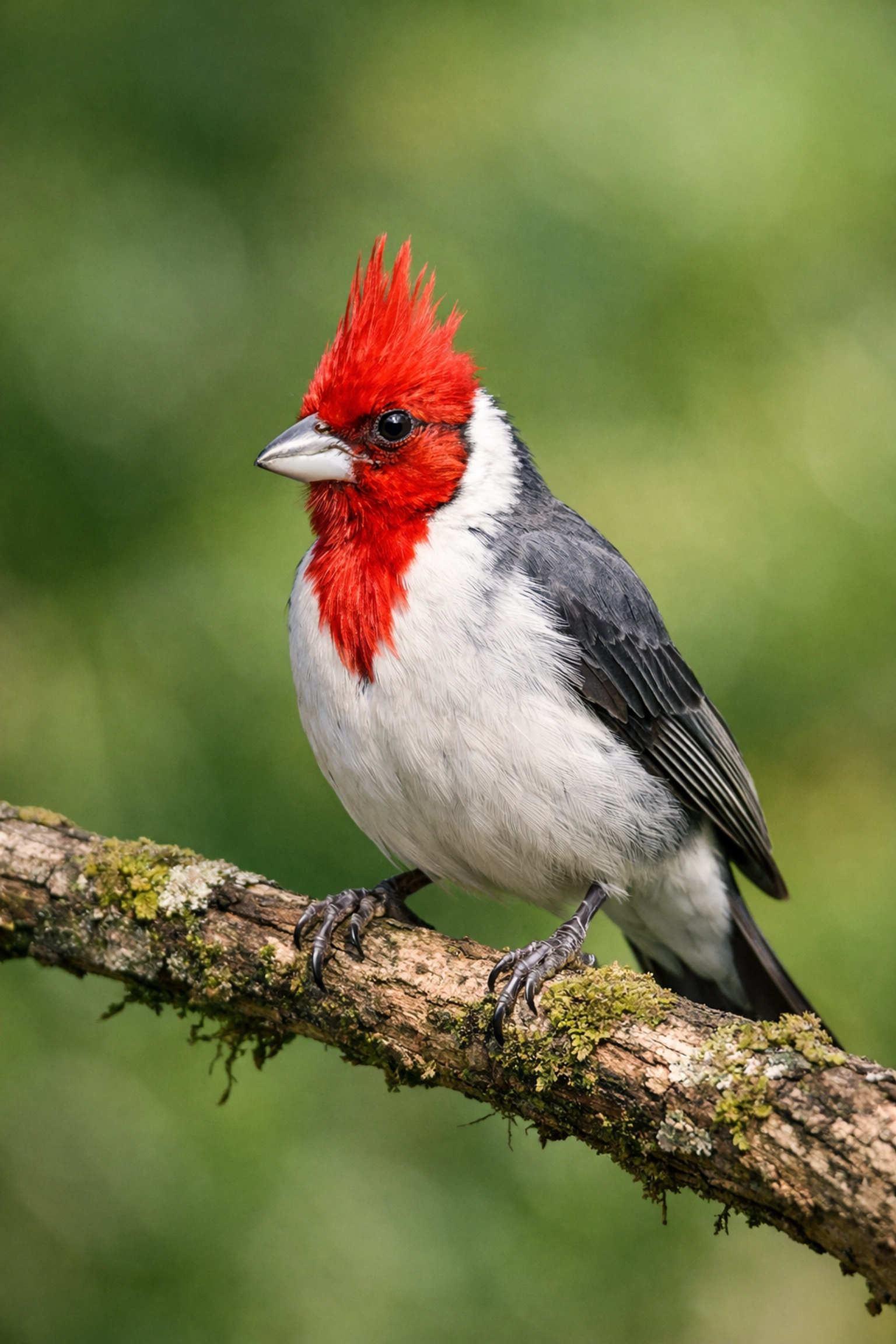
Instead of a generic bird, look for a species with a story. A Red-crested Cardinal or a Snowy Owl. When you choose a specific animal, you open the door for more interesting captions and better engagement. People stop scrolling for things they haven't seen a thousand times before.
Our "Sponsored Species Spotlights" at Zoo Imagery are designed for this. We help brands connect with specific animals that align with their values. If your brand is about precision, don't just show a bird; show a Peregrine Falcon.
2. Ignoring the Eyes
In wildlife photography, the eyes are everything. A mistake many marketers make is choosing an image where the animal is looking away or the eyes are out of focus. This creates a barrier between the subject and the viewer.
The Fix: Find Eye Contact
Look for images where the animal is looking directly into the lens. This creates an immediate emotional connection. It makes the viewer feel like they are sharing a moment with the animal. Even if the animal is in profile, the visible eye should be sharp and clear.
When browsing zooimagery.com, notice how our high-resolution shots prioritize that connection. It’s the difference between looking at an animal and feeling a bond with one.
3. Poor Framing and "Crowded" Compositions
Many stock photos are shot too tight. While a close-up is great for detail, it leaves no room for text or branding. If you try to overlay your logo or a headline on a photo where the animal fills the entire frame, the result looks cluttered and unprofessional.
The Fix: Look for Negative Space
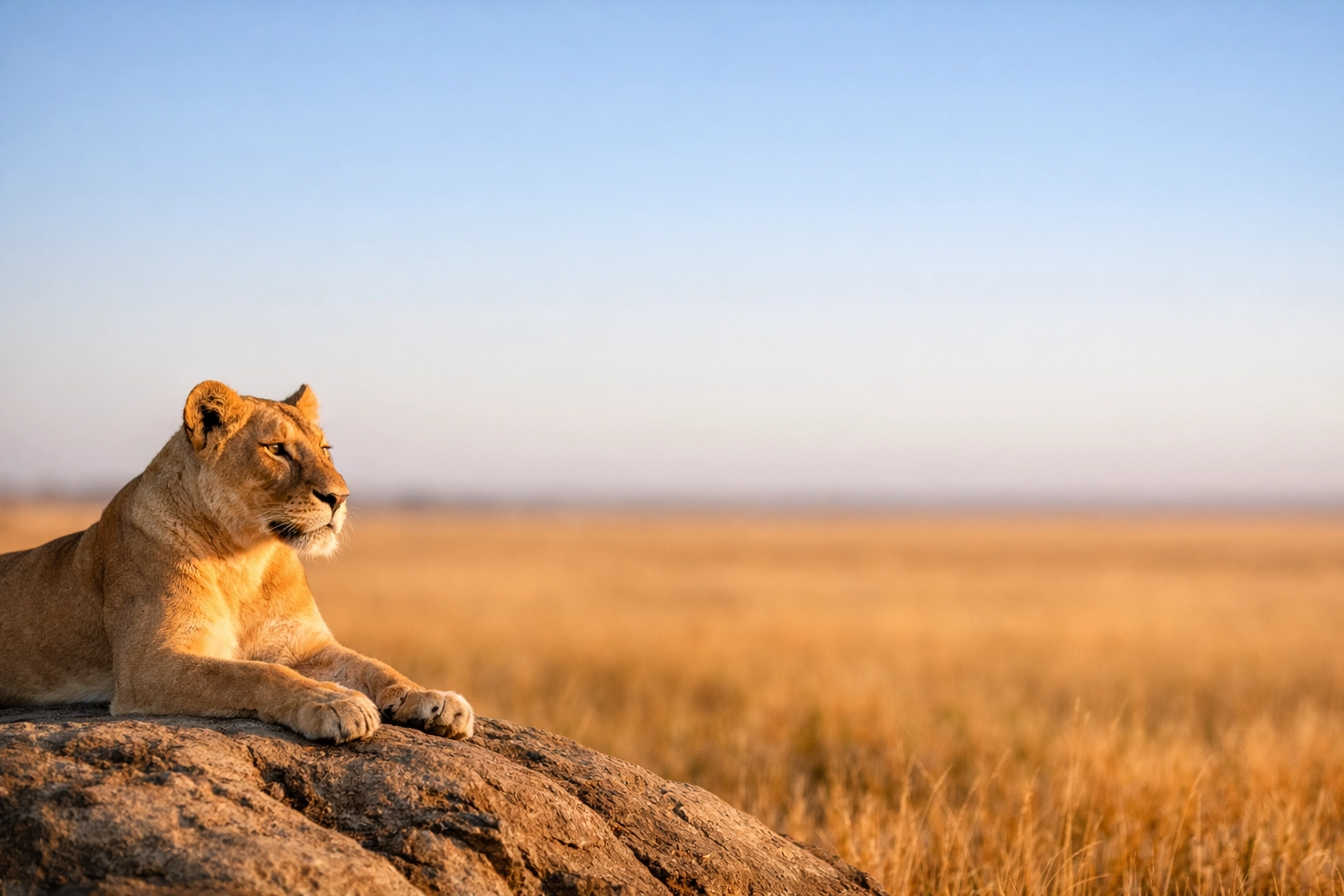
Choose images with plenty of "copy space." This is the empty area around the animal: like a blurred forest background or a clear sky. This space is essential for your marketing message.
It allows your text to breathe and ensures the animal doesn't compete with your brand. Good stock photography isn't just about the subject; it's about how the subject fits into your design.
4. Underestimating the "Presented By" Model
Many companies buy a stock photo, post it, and forget it. They miss the chance to build a deeper association with the animal and the conservation efforts behind it. They treat the image as a one-time asset rather than a marketing partnership.
The Fix: Use "Presented by" Animal Pages
Instead of a single image, consider our "Presented by" animal pages. This allows your brand to sponsor a specific animal’s presence on our platform. It’s more than just a photo; it’s an endorsement.
It tells your audience that you care about wildlife and are actively supporting the digital representation of these species. It’s a simple way to integrate your brand into a larger story without being "salesy."

5. Technical Oversights: Sharpness and Lighting
It sounds obvious, but many people settle for images that are "good enough" in terms of quality. They use low-resolution files or photos with harsh, unflattering lighting. This makes your brand look cheap.
The Fix: High-Resolution Standards
Never compromise on resolution. A pixelated image on a high-definition screen is a red flag for customers. Look for images shot in "golden hour" light: early morning or late afternoon: where the light is soft and warm.
Check for focus. The fur, feathers, or scales should have visible texture. At Zoo Imagery, we prioritize technical excellence so your brand looks as professional as the photography we provide.
6. Lacking Environmental Context
A photo of an animal against a plain white background can be useful for some designs, but it often lacks heart. It feels sterile. Using these images exclusively can make your brand feel disconnected from the real world.
The Fix: Show the Habitat
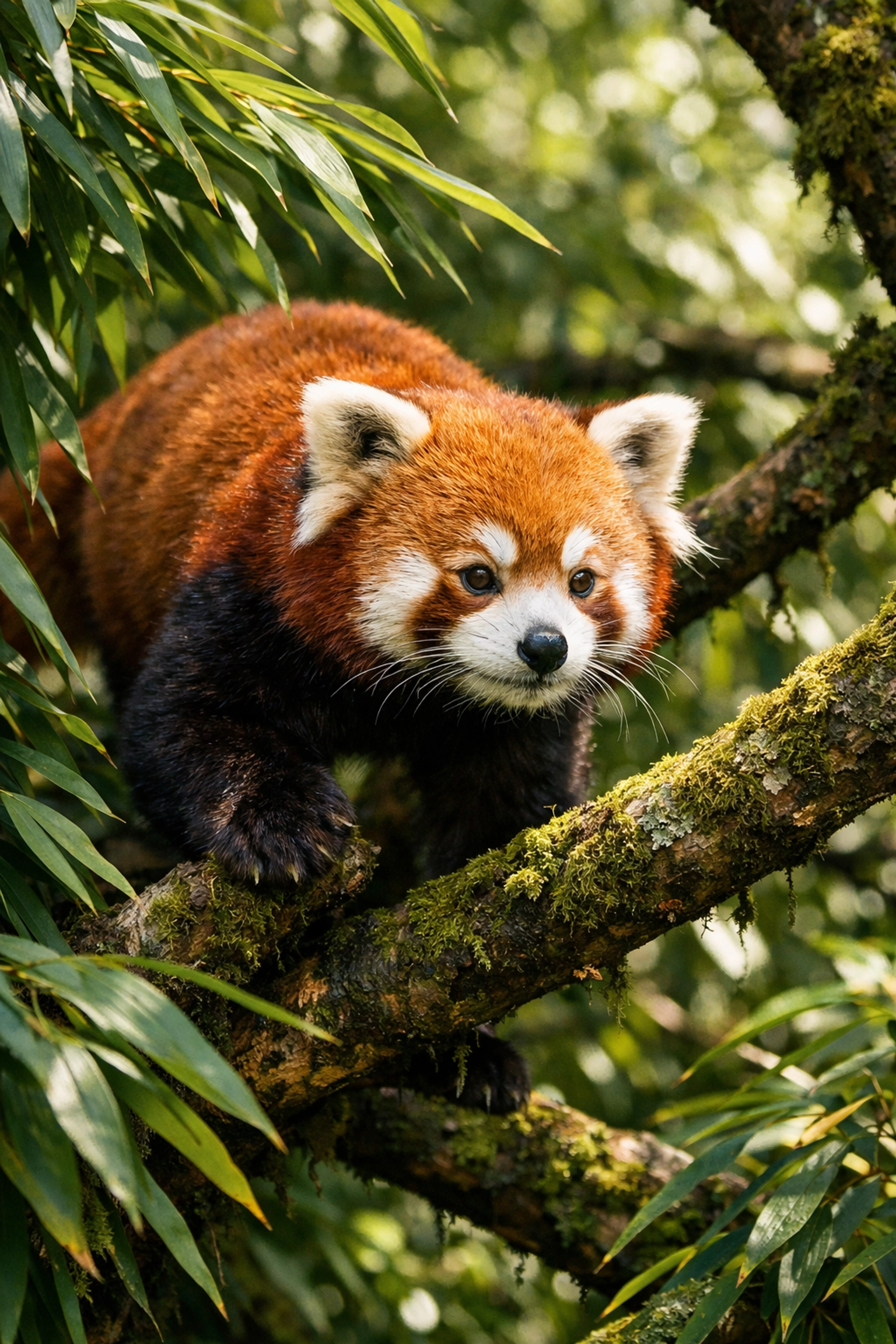
Whenever possible, choose images that show the animal in its natural (or naturalistic) environment. Seeing a Red Panda among green leaves or a Penguin on ice adds a layer of authenticity.
It provides context. It reminds the viewer that these animals belong to an ecosystem. This type of imagery is much more effective for conservation storytelling and ESG-aligned campaigns. It shows that your brand understands the bigger picture.
7. Ignoring the Conservation Story
The final mistake is treating animal stock photos as strictly commercial tools. In today's market, consumers want to see that brands are conscious of their impact. Using animal imagery without acknowledging the species can feel hollow.
The Fix: Align with Conservation
Use your stock photos as a platform. When you post a photo of an endangered species, include a small fact or a mention of its conservation status.
Our "Sponsored Species Spotlights" make this easy. We provide the imagery and the context, allowing your brand to lead with a message of awareness. It changes the interaction from a simple view to a meaningful impression. You aren't just using a photo; you are highlighting a life.
Why Quality Animal Imagery Matters
The goal of your marketing is to be remembered. Generic, poorly cropped, or low-quality animal photos are forgotten instantly. They don't evoke emotion, and they don't drive action.
By fixing these seven mistakes, you transform your visual assets. You move from "using a photo" to "telling a story."
Whether you are looking for a single image for a blog or a long-term "Presented by" partnership, the quality of the imagery reflects the quality of your brand. Keep it simple. Keep it high-quality. Focus on the animals that matter.
About Zoo Imagery
We provide more than just stock photos. We provide marketing solutions for zoos, aquariums, and brands that love wildlife. Our platform is built on simplicity and quality. We help you tell the story of the natural world through high-impact imagery and unique sponsorship opportunities.
Ready to upgrade your visual strategy?
Visit zooimagery.com to explore our library and learn more about our "Presented by" animal pages and species spotlights.
Follow us on LinkedIn for daily insights into wildlife photography and digital media.


