5 Steps How to Use Wildlife Stock Photos and Land More Sponsors (Easy Guide for Zoo Marketers)
Visuals matter.
In zoo marketing, they are everything.
High-quality imagery bridges the gap between conservation and commerce.
Sponsors want to be seen.
They want to be associated with beauty, strength, and nature.
Standard snapshots don't cut it anymore.
Here is how to use professional wildlife stock photography to land major sponsors.
1. Build a Professional Visual Library
Consistency creates trust.
Sponsors look at your website, social media, and onsite signage.
If the photos are blurry or inconsistent, your brand looks amateur.
Professional stock photography provides immediate quality.
- Use high-resolution portraits.
- Focus on emotional impact.
- Select both landscape and portrait formats.
- Ensure variety. (Mammals, birds, reptiles).
Professional photography at Zoo Imagery helps you skip the expensive photoshoot.
You get studio-quality animal shots ready for pitch decks.
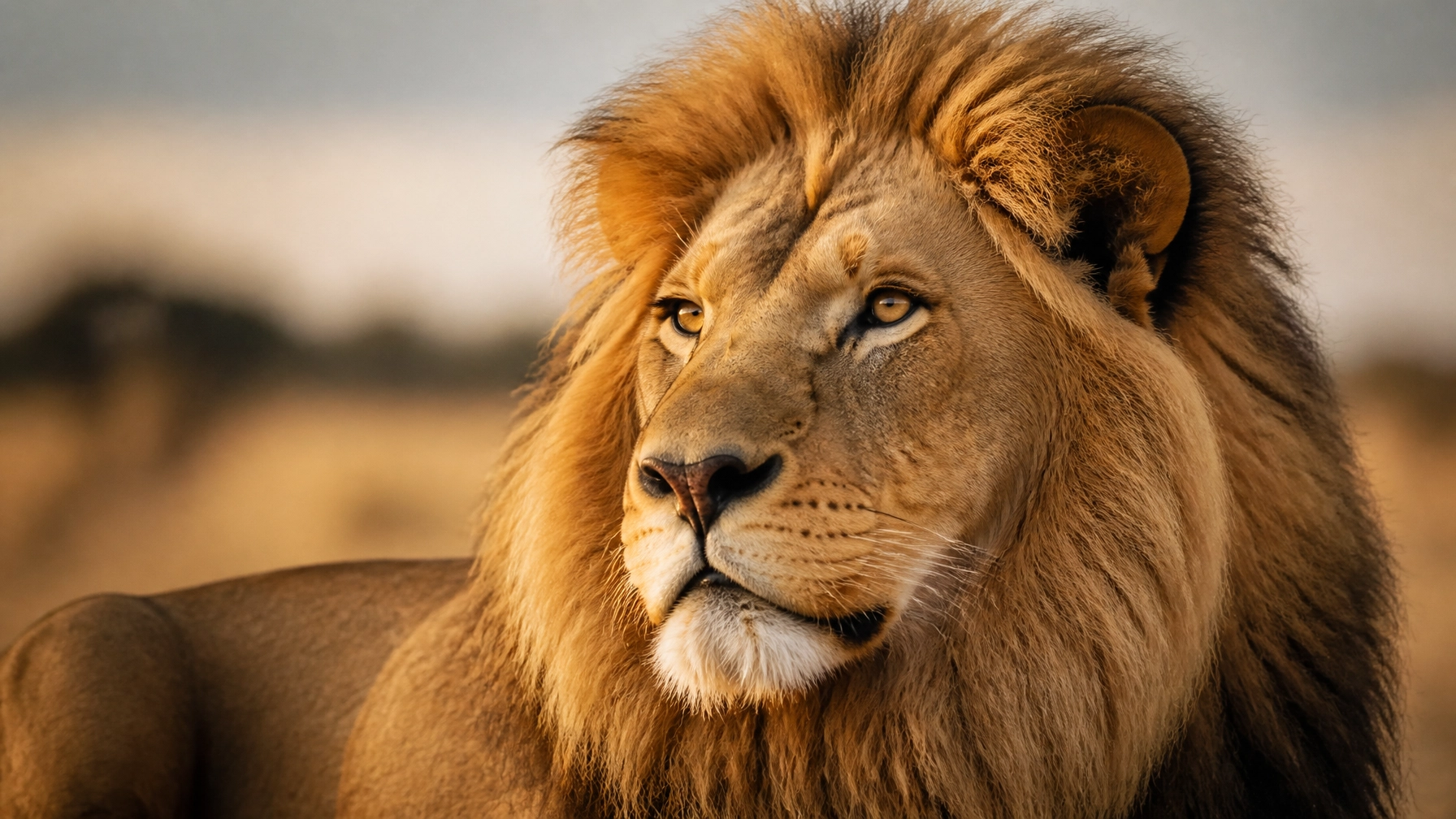
A lion looks majestic. A panda looks endearing.
This is the baseline for a premium sponsorship package.
2. Implement "Presented By" Animal Pages
Don't just sell an ad. Sell a species.
Digital real estate is valuable.
Create dedicated pages for high-profile animals on your website and app.

The Setup:
- Species Header: A stunning hero image.
- Sponsor Logo: Clean placement. "Presented by [Sponsor Name]."
- Conservation Story: Short, punchy facts about the animal.
- Visual Engagement: A gallery of professional stock photos.
Why it works:
- Exclusivity: A brand "owns" the digital presence of the Polar Bear or the Tiger.
- Longevity: These pages stay live year-round.
- Value: It connects the sponsor directly to the animal's story.
3. Launch Sponsored Species Spotlights
Sponsors love social proof.
Use your visual library to create recurring content series.
A "Species Spotlight" is a low-effort, high-reward marketing tool.

Weekly Content Ideas:
- Tiger Tuesdays: Presented by a local health system.
- Friday Flight: Showcasing birds, presented by an airline or travel agency.
- Newborn News: High-quality photos of zoo babies, sponsored by a toy or clothing brand.
Strategic Execution:
- Minimal Text: Let the photo do the heavy lifting.
- Clear Credits: "Photos powered by Zoo Imagery. Species support by [Sponsor]."
- Direct Engagement: Ask followers to share their own photos.
4. Leverage User-Generated Content (UGC)
Sponsors want to see visitors engaged.
They want to see their logo in the hands of your guests.
The ZooMedia.us phone app makes this seamless.

The ZooMedia Advantage:
- Easy Sharing: Guests take photos and share them instantly.
- Branded Overlays: Add sponsor logos to guest photos.
- Real-time Results: Track how many people are interacting with the sponsored content.
UGC is authentic.
It’s a guest saying, "I'm having a great time at the zoo, thanks to this brand."
That is the ultimate ROI for a marketer.
5. Report Success with Visual Data
A sponsorship doesn't end with a signature.
It ends with a renewal.
Show your sponsors the impact of their investment.
- Traffic Stats: How many hits did the "Presented By" page get?
- Engagement: How many people shared photos via the ZooMedia app?
- Visual Proof: Create a collage of guest-generated content featuring the sponsor logo.
- Conservation Impact: Tie the sponsorship back to specific animal welfare goals.
Keep reports simple.
Use more charts and photos than paragraphs.
Let the success speak for itself.
Conclusion
Landing big sponsors requires a big vision.
High-quality wildlife photography is the foundation.
It makes your zoo look professional.
It makes your animals look majestic.
It makes your sponsors look like heroes.
Stop relying on luck.
Start using professional assets.
Ready to upgrade your zoo's marketing?
Visit Zoo Imagery to browse our library.
Follow us on LinkedIn for more marketing tips.


