5 Steps How to Use Animal Photography Stock for Species Spotlights (Easy Guide for Zoo Marketers)
Zoo marketing is changing.
Static posters are out.
Emotional storytelling is in.
Visitors want to feel a connection. They want to know their ticket price supports more than just a day out. They want to see the "why" behind the animal.
High-quality animal photography is your best tool.
Here is how to use it effectively.
Step 1: Define Your Mission Before You Click
Planning is 90% of the work.
Don't just pick a "pretty" picture.
Pick a story.

Identify the Species
Focus on one at a time.
A wild tiger spotlight hits harder than a generic "jungle" post.
Set the Goal
- Are you raising money for habitat restoration?
- Are you promoting a new exhibit?
- Are you simply educating on conservation status?
Research the Context
- What is their IUCN status?
- What are the three main threats?
- What is your zoo doing to help?
Keep these notes brief. Use them to guide your image search.
Step 2: Source High-Impact Imagery
The image is the hook.
If the image fails, the caption won't be read.
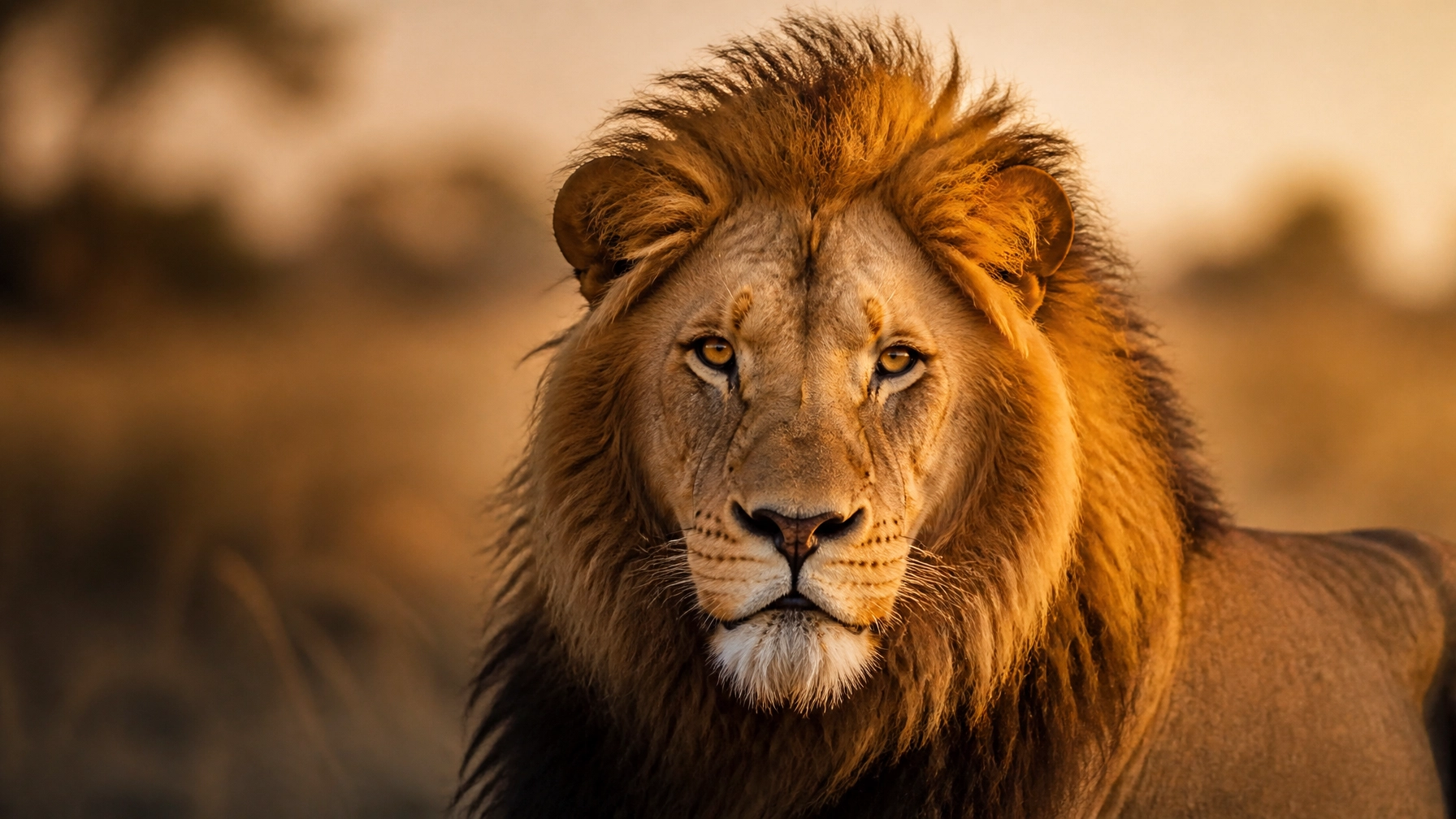
Look for Eye Contact
Human eyes seek animal eyes.
It creates an immediate, visceral bond.
Portraits from our lions collection use this to drive engagement.
Lighting Matters
- Golden Hour: Warm, hopeful, magical. Use for success stories.
- Blue Hour: Solemn, mysterious, urgent. Use for critical conservation warnings.
- High Contrast: Dramatic. Use to highlight specific physical traits like elephant textures.
Quality Baseline
- High resolution only.
- Natural settings.
- Avoid "caged" looks.
- Use both landscape (for web) and portrait (for social) formats.

Step 3: Write Minimal, Punchy Copy
Strip the fluff.
People scan; they don't read.
The Hook (1 Sentence)
Start with a "superpower" or a startling fact.
Example: "A tiger's roar can be heard two miles away."
The "Meet" (1 Sentence)
Link the stock photo to your resident animal.
Example: "This is the wild relative of Rajah, our resident Bengal tiger."
The Threat (1 Sentence)
State the problem clearly.
Example: "Habitat loss has reduced their range by 95%."
The Solution (1 Sentence)
What are you doing?
Example: "We partner with global teams to protect remaining corridors."
The Ask (Short CTA)
Make it easy.
- "Visit Rajah today."
- "Donate to our wild fund."
- "Share this to spread the word."
Step 4: Leverage Guest Engagement
Stock photos start the conversation.
Guest photos keep it going.

This is where the ZooMedia.us app comes in.
User-Generated Content (UGC)
- Guests take photos.
- They share them via the app.
- You gain a library of authentic, real-time marketing assets.
Why it Works
- It is authentic.
- It is free marketing.
- It drives visitor ROI.
Let your guests be your storytellers.
Use your professional polar bear stock for the official announcement, then fill your feed with guest-captured moments.
Step 5: Measure and Iterate
Marketing is not "set and forget."
Watch the numbers.

What to Track
- Engagement Rate: Did the eye-contact portrait get more likes than the landscape shot?
- App Usage: How many guests shared photos after seeing your spotlight?
- ROI: Are ticket sales or donations spiking for that specific species?
Simple Adjustments
- If engagement is low, change the lighting style.
- If the copy is too long, cut it by half.
- If visitors aren't sharing, use more prominent CTAs on-site.
Summary Checklist
- Select one species (e.g., giraffes).
- Choose a high-res, emotional stock image.
- Draft 4-5 sentences of direct, conservation-focused copy.
- Integrate with the ZooMedia app for guest photos.
- Monitor results.
About Zoo Imagery
We provide stunning animal photography.
We help zoos save time.
We help zoos save money.
We help zoos save species.
Our library includes:
Ready to elevate your zoo's marketing?
Explore our full library at zooimagery.com or connect with us on LinkedIn.


