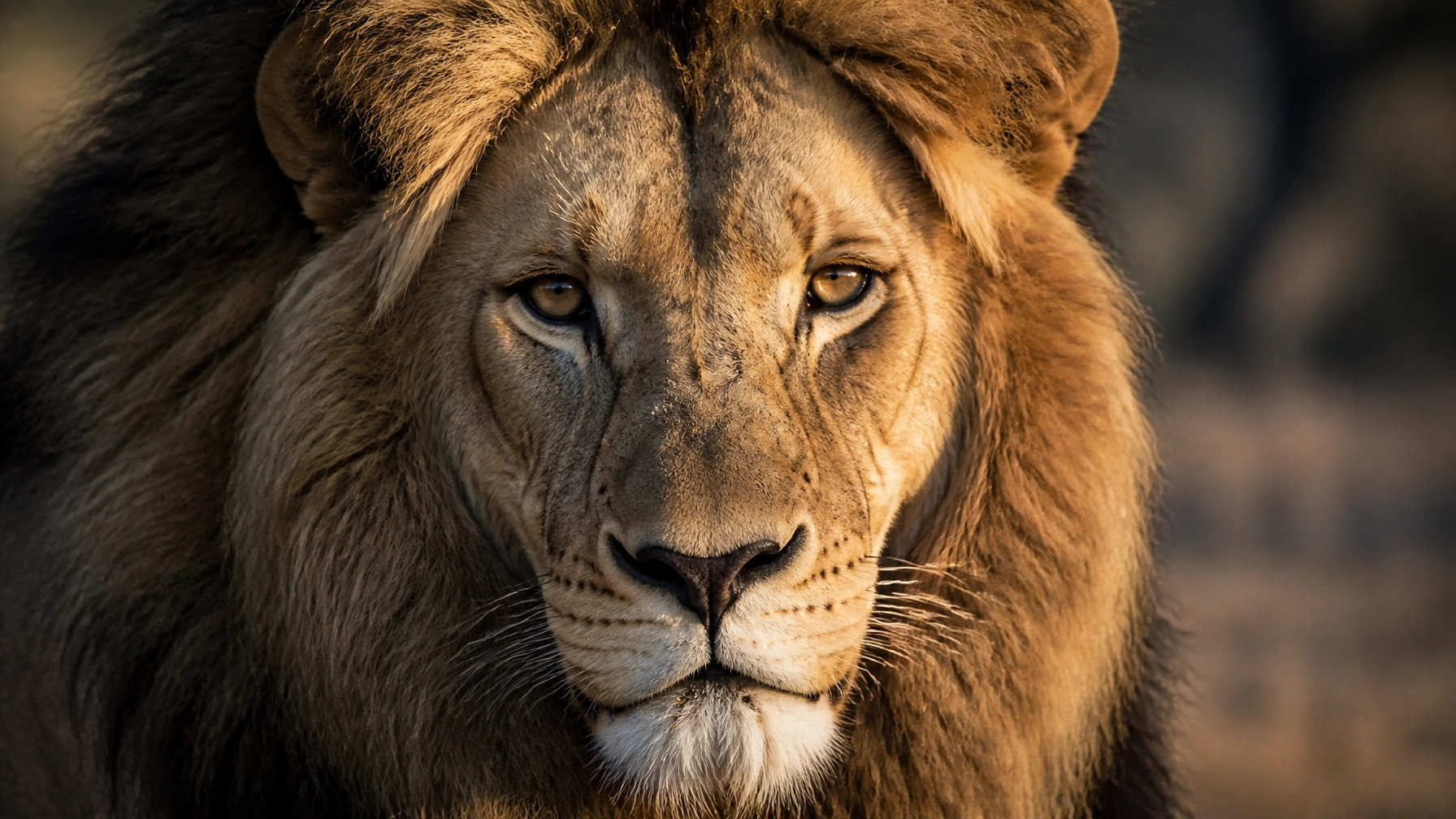
10 Reasons Your Zoo Animal Photos Aren’t Working (And How to Fix It)
Photography drives conservation.
Great visuals sell tickets.
Weak ones? They just take up space.
If your animal imagery isn't stopping the scroll, your mission is losing volume.
Marketing animals is about more than "taking a picture."
It is about capturing a soul.
Here are 10 reasons your current photos are falling flat and how to pivot.
1. The Midday Sun Trap
High noon is the enemy.
It creates harsh shadows under the brow.
It washes out the natural texture of fur and scales.
The Impact:
- Flat, lifeless subjects.
- High-contrast "raccoon eyes" on primates and cats.
- Blown-out highlights that look amateur.
The Fix:
Shoot at the edges of the day.
Golden hour (dawn/dusk) provides directional, warm light.
It adds depth. It adds drama.
If you can't control the sun, use professional stock shot during these windows.
2. Shooting "Down" on the Subject
Most people stand and point their camera down into an enclosure.
This perspective is dominant.
It makes the animal look small and captive.
The Impact:
- A "tourist" feel.
- Zero emotional connection.
- The animal looks like a specimen, not a living being.
The Fix:
Get on their level.
Literally.
Crouch. Sit. Get the lens at eye level.
When you look an animal in the eye, the viewer feels a connection.
It transforms a "zoo shot" into a "wild portrait."

3. Cluttered Backgrounds (The "Cage" Effect)
Fences. Concrete walls. Plastic enrichment toys.
These are necessary for animal care, but they ruin a photo.
They scream "captivity."
The Impact:
- Visual noise.
- Distraction from the animal’s features.
- Weakened conservation storytelling.
The Fix:
Use a wide aperture (low f-stop).
Blur the background into a soft, natural wash.
Position yourself so a leafy branch or rock hides the man-made elements.
Better yet, use our wildlife-focused library where the backgrounds are curated for naturalism.
4. Tiny Subject Syndrome
If the animal is a small dot in the center of the frame, you’ve lost.
People want to see the detail: the whiskers, the iris, the skin texture.
The Impact:
- No focal point.
- Low engagement on social media.
- The environment overwhelms the star of the show.
The Fix:
Fill the frame.
Zoom in until the animal occupies 60-70% of the shot.
Focus on "The Micro-Expression."
A blink, a twitch of an ear, or a yawn.
Make the viewer feel close.
5. The Glass Barrier Ghost
Reflections are the silent killers of zoo photography.
Fingerprints and glare on the glass viewing panels create a hazy, "dreamy" look: but not the good kind.
The Impact:
- Reduced contrast.
- Random light spots.
- A blurry "film" over the subject.
The Fix:
Press the lens directly against the glass.
Use a rubber lens hood to seal out light from the sides.
Wait for the animal to move away from the glare-heavy spots.
If the glass is too dirty, don’t take the shot. Find a better vantage point.
6. Zero Eye Contact
Animals often ignore humans. They look away. They sleep.
A photo of an animal’s back or side-profile rarely works for marketing.
The Impact:
- The photo feels "candid" in a boring way.
- No psychological hook.
- High bounce rates on websites.
The Fix:
Patience.
Wait for the "look."
The moment an animal acknowledges the lens is the moment the photo becomes valuable.
This is why our polar bear collection focuses on frontal, engaging angles.

7. Motion Blur (Technical Slips)
Animals move fast. Even "slow" animals like pandas or elephants move enough to blur a slow shutter.
The Impact:
- Unprofessional appearance.
- Loss of fine detail (hair/feathers).
- Unusable for large-scale print or billboards.
The Fix:
Fast shutter speeds.
Minimum 1/500th of a second for resting animals.
1/1000th or higher for movement.
Don't be afraid to raise your ISO to keep that speed up.
8. Lack of "Purpose" or Action
A sleeping lion is a cliche.
A lion mid-roar or stretching its claws is a story.
The Impact:
- Static, "boring" imagery.
- No sense of the animal’s power or personality.
- Lower click-through rates.
The Fix:
Capture behavior.
Eating. Playing. Interacting with enrichment.
Show the animal doing something.
Action creates intrigue.
It makes the viewer want to learn more about that specific species.
9. Inconsistent Brand Aesthetic
Using a mix of grainy cell phone shots, overly filtered Instagram photos, and bright stock photos.
Your feed looks like a junk drawer.
The Impact:
- Lowered brand authority.
- Confusion for sponsors.
- Weak visual identity.
The Fix:
Adopt a style guide.
Stick to natural lighting and clean compositions.
Use "Presented by" animal pages to create a cohesive look for sponsored species.
Consistent quality builds trust.
10. Ignoring User-Generated Potential
You are trying to do it all yourself.
Your guests are taking thousands of photos every day.
Most are bad. Some are brilliant.
The Impact:
- You miss out on authentic perspectives.
- You spend too much on internal content creation.
- Lower engagement with your actual visitors.
The Fix:
Leverage the ZooMedia.us app.
Let your guests share their best shots easily.
It turns visitors into advocates.
It provides you with a stream of real-time, high-engagement content.

Summary of Fixes
| Problem | Solution |
|---|---|
| Harsh Light | Shoot at Golden Hour or use Pro Stock |
| Boring Angle | Get to eye level |
| Distractions | Use wide aperture (blur background) |
| Captivity Cues | Crop tight or find natural angles |
| Low Engagement | Focus on eye contact and behavior |
Why it matters
High-quality imagery is an investment in your conservation mission.
When people see a stunning, high-resolution portrait of a tiger, they don't just see an animal.
They see a reason to care.
They see a reason to donate.
Stop settling for "okay" photos.
Make your animals look as majestic as they truly are.
Ready to level up your visual game?
Browse our categories of Lions, Elephants, and Polar Bears for your next project.
Visit ZooImagery.com to explore our full library or follow us on LinkedIn for daily visual inspiration.


