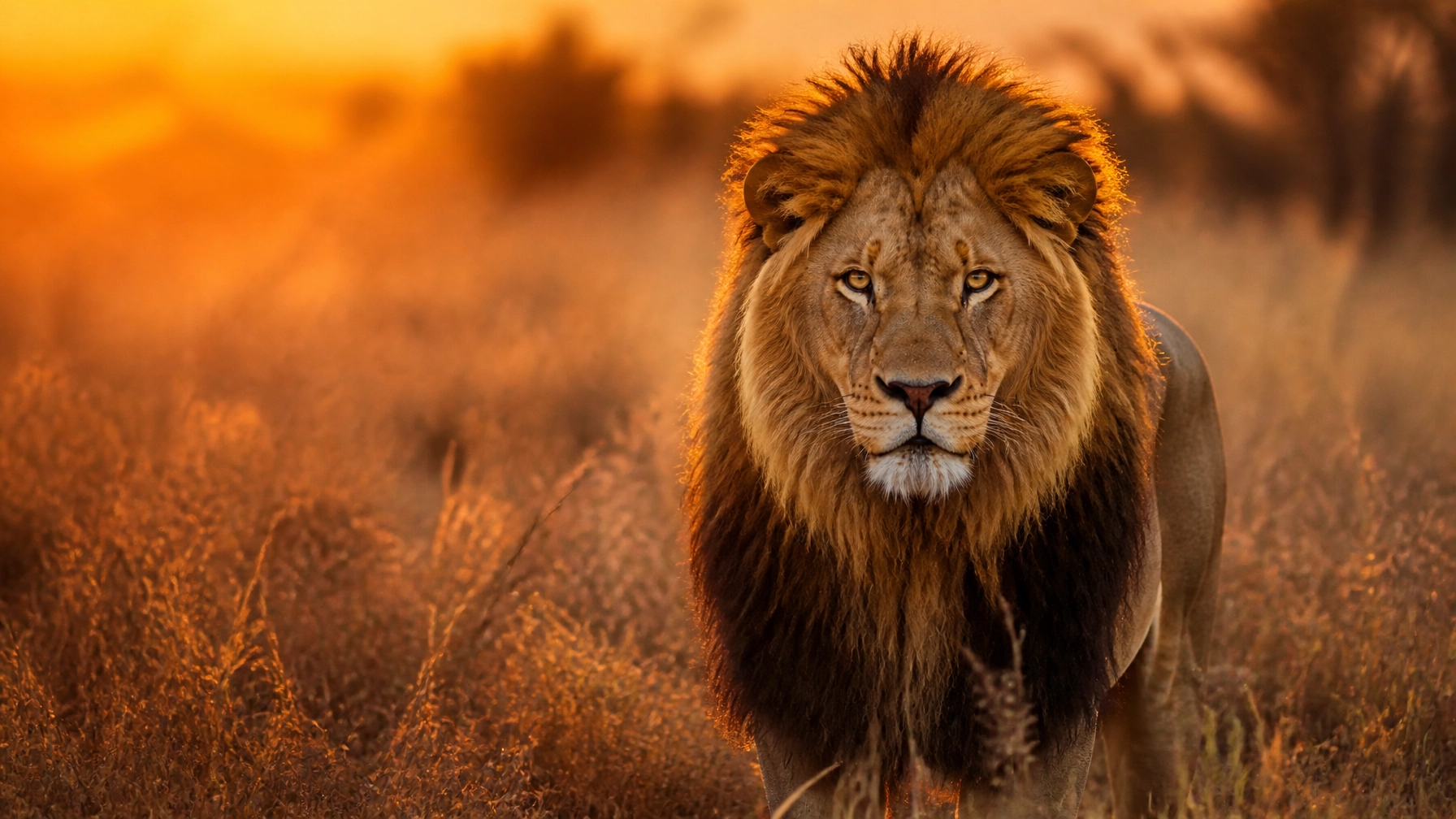
10 Reasons Your Lion Stock Photo Isn’t Driving Donations (And How to Fix It)
Images drive action.
In conservation, the wrong image stalls it.
A generic lion photo is just wallpaper.
Donors want a reason to care.
They want a reason to give.
If your fundraising has plateaued, look at your visuals.
Here are 10 reasons your current stock photos are failing: and how to fix them.
1. Zero Story, Zero Context
Stock photos are designed to be generic.
They fit anywhere.
That is the problem.
Donors don't fund "lions."
They fund this lion.
They fund this pride in this specific habitat.
A photo with no backstory has no hook.
The Fix:
Use images with a narrative.
Link the photo to a specific project.
Mention the name of the pride.
Zoo Imagery provides categories that allow for deeper storytelling.
2. Polished Over Authentic
Too much "studio" lighting feels fake.
Hyper-saturated sunsets look like travel brochures.
Authenticity builds trust.
Donors respond to the raw reality of the field.
A slightly imperfect, documentary-style shot feels honest.

The Fix:
Choose photos that show the "real" wild.
Look for natural lighting.
Look for details like scars, dust, or ruffled fur.
Authenticity is your most valuable asset.
3. The "Majesty" Trap
A lion looking majestic and healthy is beautiful.
It also signals that the lion is "fine."
If an animal looks like it's thriving, the urgency to save it vanishes.
Majesty without vulnerability kills donations.
The Fix:
Balance beauty with reality.
Show the lion in its actual, sometimes harsh, environment.
Pair majestic shots with copy that highlights the hidden threats.
4. Disconnect from Impact
Can the donor see where their money goes?
A generic portrait doesn't show a tracking collar.
It doesn't show a ranger patrol.
It doesn't show habitat restoration.
If the image doesn't show the work, the donor won't see the need.
The Fix:
Use imagery that features conservation in action.
Show the tools of the trade.
Show the people behind the protection.
Visit our how it works page to see how we bridge this gap.
5. Lack of Transparency
Where was the photo taken?
Was the lion captive?
Was it a game farm?
Sophisticated donors can tell.
If they feel cheated, they won't donate.
Ever.
The Fix:
Be honest about your sources.
Use reputable libraries like Zoo Imagery.
We focus on authentic, high-resolution photography for professional use.
6. Over-Saturated Visuals
Common stock sites are full of "orange" lions.
Over-editing makes nature look like a cartoon.
It cheapens the cause.
Serious conservation needs serious imagery.

The Fix:
Stick to a natural color palette.
Documentary-style editing is superior for ESG-aligned campaigns.
Let the natural beauty of the animal speak for itself.
7. No Human Element
Conservation is a human story.
It’s about people protecting animals.
When you only show the animal, you exclude the "hero" of the story: the donor.
The donor needs to see themselves in the mission.
The Fix:
Include shots of rangers, scientists, or local communities.
Show the collaboration.
Human-animal coexistence is the goal.
Highlight that relationship.
8. Missing the "Why"
Why this photo?
Why now?
If a photo doesn't answer these questions, it's just decoration.
Every visual must serve a specific strategic purpose.
The Fix:
Audit your images.
Ask: "Does this image make me want to help?"
If the answer is "It's just a nice cat," change it.
9. Stagnant Engagement
Static photos on a website are easy to ignore.
In the age of social media, engagement is everything.
User-generated content (UGC) often outperforms professional stock.
People trust people.

The Fix:
Leverage tools like the ZooMedia.us app.
Let your visitors share their own authentic photos.
UGC drives real-time engagement and trust.
Learn more about our app here.
10. The Wrong Format
Portrait for Instagram.
Landscape for the blog.
Banner for the website.
When you crop a generic stock photo to fit, you lose the soul of the image.
The Fix:
Source libraries that offer both landscape and portrait formats.
Zoo Imagery provides diverse formats specifically for modern marketing needs.
Don't compromise your visual integrity for a crop.
Species Spotlight: The African Lion
Lions are a flagship species.
They represent the health of the Savannah.
But they are in trouble.
Habitat loss is real.
Human-wildlife conflict is rising.
Our library features lions from various perspectives to help you tell this story properly.
No fluff. Just the raw, beautiful truth.
Company Milestone: Zoo Imagery
We recently expanded our bird and fish categories.
We now offer over 20+ specialized animal categories.
All designed for professional creators.
Saving you time.
Helping you save the wild.

Conclusion
Photos aren't just pixels.
They are the bridge between a donor and a cause.
Stop using "wallpaper."
Start using stories.
Fix your visuals, and the donations will follow.
Ready to upgrade your imagery?
Explore our library at zooimagery.com.
Follow us on LinkedIn for daily insights.


