10 Reasons Your Lion Stock Photo Isn’t Driving Donations (And How to Fix It)
Visuals drive impact.
In conservation marketing, the right photo is the difference between a scroll and a gift.
Most lion stock photos fail.
They are too perfect. Too safe. Too generic.
Here is why your imagery isn't converting: and how to fix it.
1. The Abundance Trap
People see lions everywhere.
Social media. Billboards. Movies.
This creates a "virtual population."
It feels like lions are thriving because they are visible.
The Fix: Use images that highlight rarity. Show the vastness of the landscape. Show the lion as a solitary figure in a changing world.
Context: Wildlife marketing trends 2026 highlight the shift toward authentic documentation.
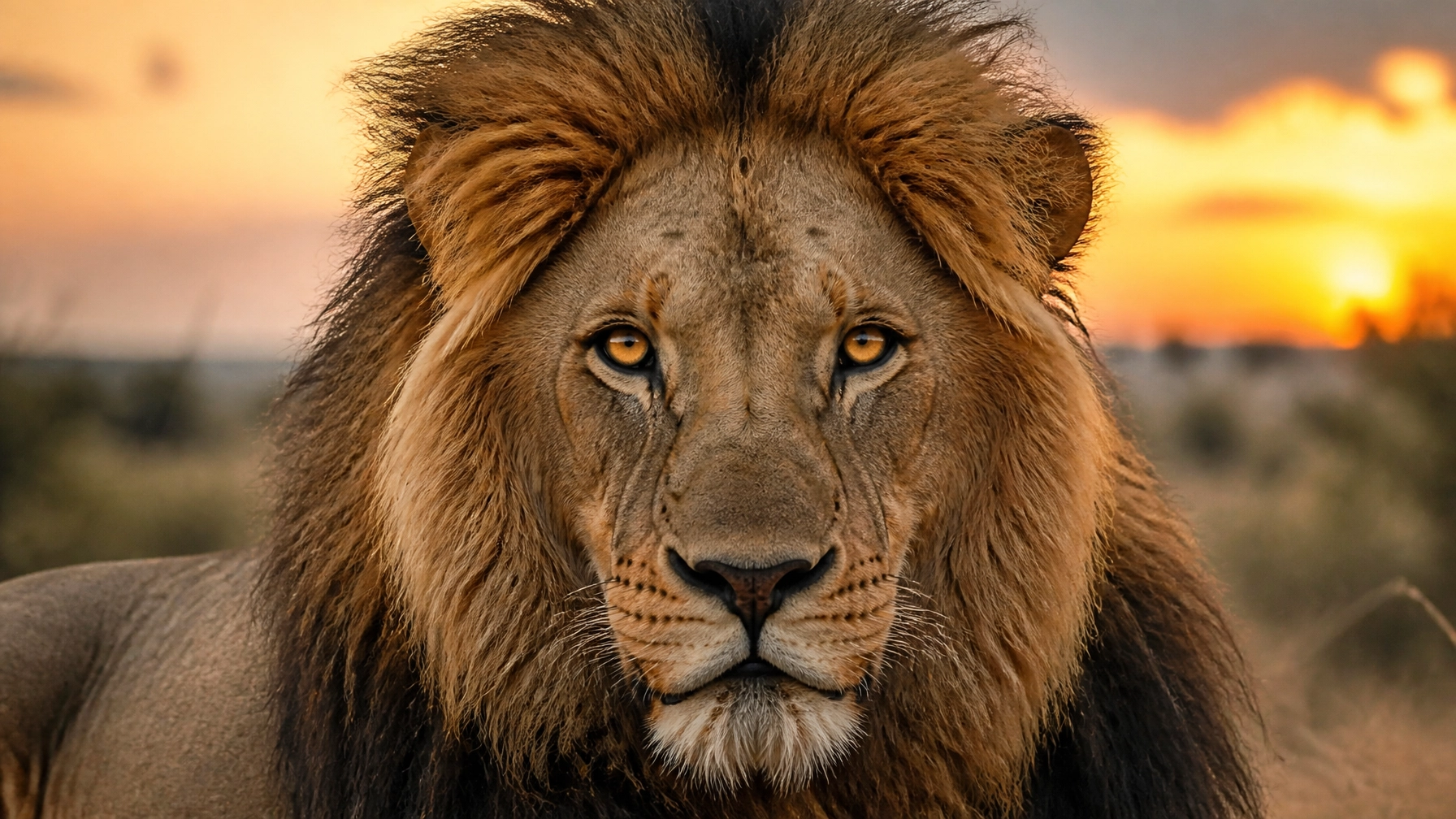
2. Zero Eye Contact
Eyes are the bridge.
A lion looking away is a beautiful wallpaper.
A lion looking at the lens is a conversation.
The Fix: Select photos where the subject meets the viewer's gaze.
It creates an "identifiable victim" effect.
Humanity connects through the eyes.
3. Generic "King" Tropes
We are used to the majestic, roaring male.
It signals power, not need.
People don't donate to "kings." They donate to those at risk.
The Fix: Show vulnerability.
A tired lion. A scarred lion. A lion resting in a storm.
Strength is compelling. Resilience is a story.

4. The "Entertainment" Bias
Stock photos often look staged.
Too much post-processing. Too "clean."
If the animal looks like it belongs in a movie, the brain treats the threat as fiction.
The Fix: Documentary style.
Natural lighting. Realistic textures.
Authenticity breeds trust.
5. Missing Habitat Context
A lion on a white background or a tight crop lacks stakes.
Where does it live? What is being lost?
The Fix: Environmental portraits.
Wide shots that show the scale of the savannah.
Show the habitat you are asking donors to save.

6. The "Lazy Lion" Problem
Lions sleep 20 hours a day.
Most stock photos show them sleeping.
Static images create static responses.
The Fix: Action.
Movement. Stalking. Interactions.
Life in motion triggers urgency.

7. Anthropomorphism Overload
Adding "human" traits makes animals cute.
"Cute" reduces the perceived threat of extinction.
People protect what they respect, not just what they find "adorable."
The Fix: Respectful distance.
Avoid "smiling" or "posing" shots.
Focus on wild, natural behaviors.
Check out our 7 species conservation stories for examples of narrative-driven visuals.
8. Ignoring the Mobile Donor
Most donations happen on phones.
A tiny lion in a landscape photo disappears on a 6-inch screen.
The Fix: Portrait orientation for social.
Tight, high-impact crops for mobile-first campaigns.
Make the subject impossible to ignore.
9. Lack of "Micro-Expressions"
Generic stock is flat.
Great photography captures a split second.
A twitch of an ear. A tensed muscle. A look of focus.
The Fix: Look for the "raw" moment.
Zoo Imagery specializes in capturing these specific emotional actions.
They feel less like a product and more like a memory.
10. The Disconnect from Action
The photo doesn't match the CTA.
If you ask for money for a "rescue center," don't show a lion in the wild.
The Fix: Visual alignment.
Show the solution.
Show the impact of the donation through the animal's condition.
Consistency builds conversion.
Data-Driven Visuals
- Color vs. B&W: Color photos consistently drive higher donation rates in conservation.
- Identifiable Victim: Photos of one specific individual perform better than photos of a group.
- Proximity: Close-ups increase empathy; wide shots increase context. Use both in your funnel.
The Strategy
- Hook: Use a high-impact, eye-contact portrait to stop the scroll.
- Inform: Use habitat shots to show the scale of the challenge.
- Convert: Use "action" or "vulnerability" shots to trigger the donation.
Summary
Donors want to feel something.
A "perfect" lion photo is just a picture.
A "scarred" lion photo is a reason to act.
Stop looking for pretty. Start looking for real.
Presented by Zoo Imagery
We provide stunning animal photography for use in projects.
Our library helps you save time and money while driving engagement.
Interested in how picture marketing can transform your zoo or aquarium?
Get Started:
Visit ZooImagery.com
Follow us on LinkedIn


