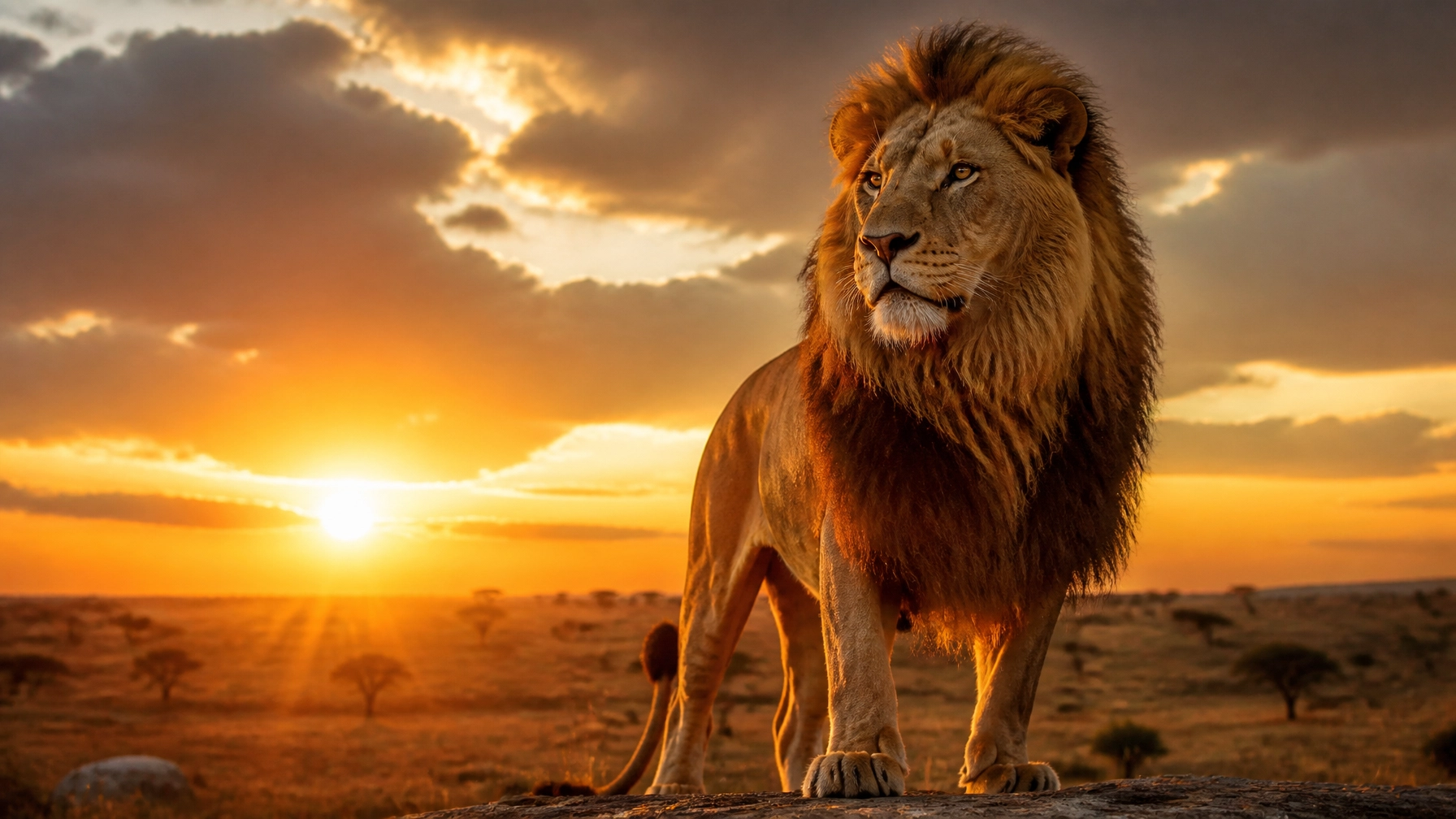
10 Reasons Your Lion Stock Photo Isn’t Driving Donations (And How to Fix It)
Visuals matter. In conservation, they are everything. But most lion stock photos fail. They look good. They don't convert.
Donors are sophisticated. They ignore generic content. They seek connection. They want impact.
If your donation rates are flat, look at your imagery. Here are ten reasons why your current lion photos are falling short: and how to fix them.
1. Lack of Specificity
Stock photos are generic by design. They show "a lion."
Donors want to help this lion.
The "Identified Victim Effect" is real. People give more to an individual than a group. A generic stock photo has no name. No history. No territory.
The Fix:
- Use photos of specific animals.
- Include a name.
- Share a territory location.
- Link the image to a unique backstory.
2. Emotional Mismatch
Many stock photos show lions looking regal and safe.
Too happy. Too secure.
If the lion looks fine, the donor doesn't see a problem. Urgency vanishes. On the flip side, extreme despair causes "avoidance." Donors shut down. They look away.
The Fix:
- Find the middle ground.
- Show vulnerability, not just majesty.
- Highlight a solvable problem.
- Use "Presented by" pages to tell a narrative of hope and action.
3. Absence of the Human Element
Conservation is a human effort.
Donors want to see where their money goes. A photo of a lone lion in the wild is beautiful. It doesn't show the work. It doesn't show the rangers, the vets, or the local community.

The Fix:
- Include the "helpers."
- Photograph rangers on patrol.
- Show hands-on conservation work.
- Use low-angle "hero shots" of the team.
4. Staged Authenticity
Stock photos often feel "produced."
Lighting is too perfect. The animal looks like a model. This creates a "marketing shield." The viewer knows they are being sold something. Trust drops.
The Fix:
- Choose documentary-style photography.
- Use natural lighting.
- Keep the environment messy.
- Prioritize raw moments over clean ones.
5. Poor Scaling for Digital
Most donations happen on mobile.
Stock photos with busy backgrounds lose their power on a small screen. If the lion's face is lost in the grass, the impact is lost in the feed.

The Fix:
- Use high-contrast imagery.
- Focus on the eyes.
- Isolate the subject.
- Ensure clarity at 200×200 pixels.
6. Disconnect from the Project
You are raising money for habitat restoration. You use a close-up portrait.
The image doesn't match the ask. The brain experiences friction.
The Fix:
- Contextual imagery.
- Habitat loss? Show the landscape.
- Anti-poaching? Show the gear.
- Match the visual to the specific campaign goal.
7. The "Flagship" Fatigue
Everyone uses lions.
Lions are "flagship" species. They grab attention. They also create noise. Without a unique angle, your lion looks like every other lion in the donor's inbox.
The Fix:
- Use unique perspectives.
- Try extreme close-ups or wide, epic scales.
- Leverage Sponsored Species Spotlights to differentiate.
- Tell a different story.
8. Low Engagement with User-Generated Content
Professional photos are for the "pitch."
User-generated content (UGC) is for the "proof." If you only use pro stock, you miss the social validation that comes from real people visiting real animals.

The Fix:
- Integrate the ZooMedia.us app.
- Let guests share their own photos.
- Drive engagement through authentic visitor perspectives.
- Track ROI with real-time results.
9. Ignoring the "Presented by" Opportunity
Imagery shouldn't just sit there.
It should be an asset for partners. When a donor sees a high-quality animal page "Presented by" a brand they trust, the credibility of the appeal doubles.

The Fix:
- Create dedicated "Presented by" animal pages.
- Feature high-end photography of the species.
- Align your ESG goals with clear, sponsored visuals.
- Simple. Effective. Direct.
10. Lack of Visual Consistency
Frequent switches between styles.
One day it’s a bright, poppy stock photo. The next, it’s a grainy cell phone shot. This inconsistency makes your brand feel disorganized.
The Fix:
- Establish a visual baseline.
- Use a curated library like Zoo Imagery.
- Maintain a consistent mood (e.g., "Golden Hour" or "Moody Morning").
- Stick to your brand's emotional tone.
Strategy: Moving Beyond Stock
Stock photography is a tool. It shouldn't be your entire strategy.
At Zoo Imagery, we provide more than just files. We provide solutions.
"Presented by" Animal Pages
A powerful way to engage donors. Clean. Professional. Minimalist.
- Purpose: Associate specific species with your cause.
- Visuals: High-resolution, documentary-style photography.
- Result: Increased donor trust.
Sponsored Species Spotlights
Visibility is key.
- Method: Highlight one species for a set period.
- Narrative: Deep dive into the conservation story.
- Impact: Focused donations for specific needs.
The ZooMedia.us Solution
Stop guessing. Start tracking.
- The App: Enables guest photo sharing.
- The Data: Real-time engagement tracking.
- The ROI: See how user-generated content converts to interest.
Summary Checklist
- Is the animal named or identified?
- Does the lighting feel authentic (natural)?
- Is there a "helper" or human element visible?
- Does the image match the specific campaign ask?
- Is the photo clear on a mobile device?
- Is there a clear brand partner (Presented by)?
Better Imagery. Better Results.
Lions are powerful. Your photography should be too.
Don't settle for generic. Use imagery that tells a story, builds trust, and drives action.
Save time. Save money. Save species.
Explore our library: zooimagery.com
Follow our work: Zoo Imagery on LinkedIn


