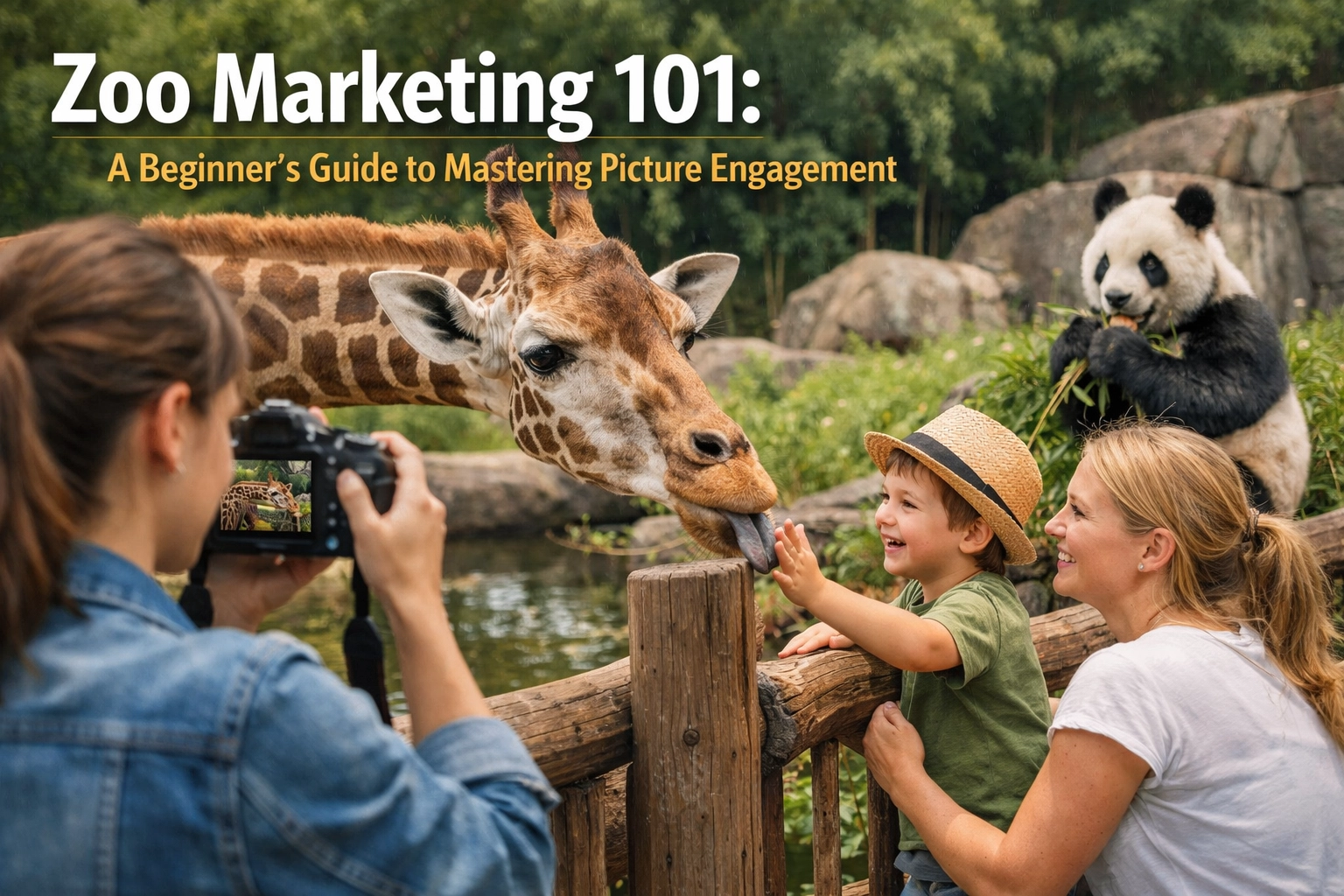
Zoo Marketing 101: A Beginner's Guide to Mastering Picture Engagement
Pictures drive zoo marketing. Period.
Whether you're running a small aquarium or a major zoo, the visuals you share determine whether people show up or scroll past. Good news? You don't need a massive budget to make it work. You just need the right approach.
This guide breaks down picture engagement into simple, actionable strategies that actually move the needle.
Why Picture Engagement Actually Matters
Your visitors are already taking photos. Hundreds of them. Every single day.
When someone posts a picture of your red panda to their Instagram, that's free marketing. Their friends see it. Those friends have friends. Suddenly, your zoo exists in conversations that never would've happened otherwise.
The math is simple: More picture engagement equals more reach. More reach equals more visitors.
Professional stock photography establishes your brand baseline. Visitor photos add authenticity. Together, they create a marketing machine that works while you sleep.
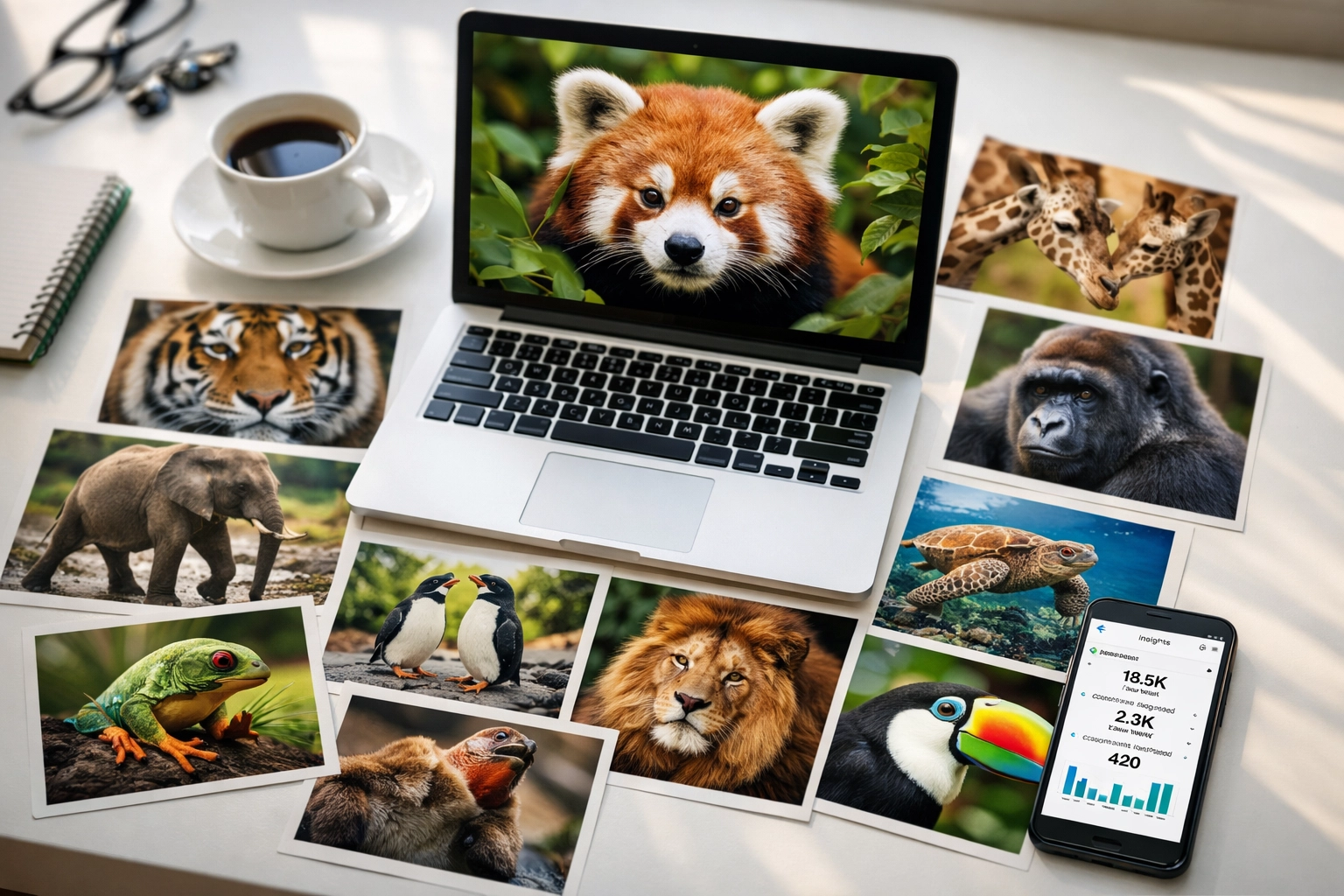
Start With Quality Stock Photography
Professional animal photos form your foundation.
Your website needs them. Social media posts need them. Email campaigns, brochures, signage: everything requires quality visuals that don't look like they came from a phone camera in 2010.
What makes good zoo stock photography:
- Sharp focus on the animal
- Clean backgrounds without distractions
- Multiple orientations (portrait and landscape)
- Variety of species and behaviors
- Consistent lighting and quality
You can't build visitor trust with blurry penguin photos. Professional images signal that your facility is professional too.
Stock libraries built specifically for zoos understand this. Generic wildlife photos from big stock sites? They miss the mark. Zoo-specific imagery captures the actual visitor experience: enclosures, education moments, conservation contexts.
Turn Visitors Into Marketing Partners
Here's where picture engagement gets interesting.
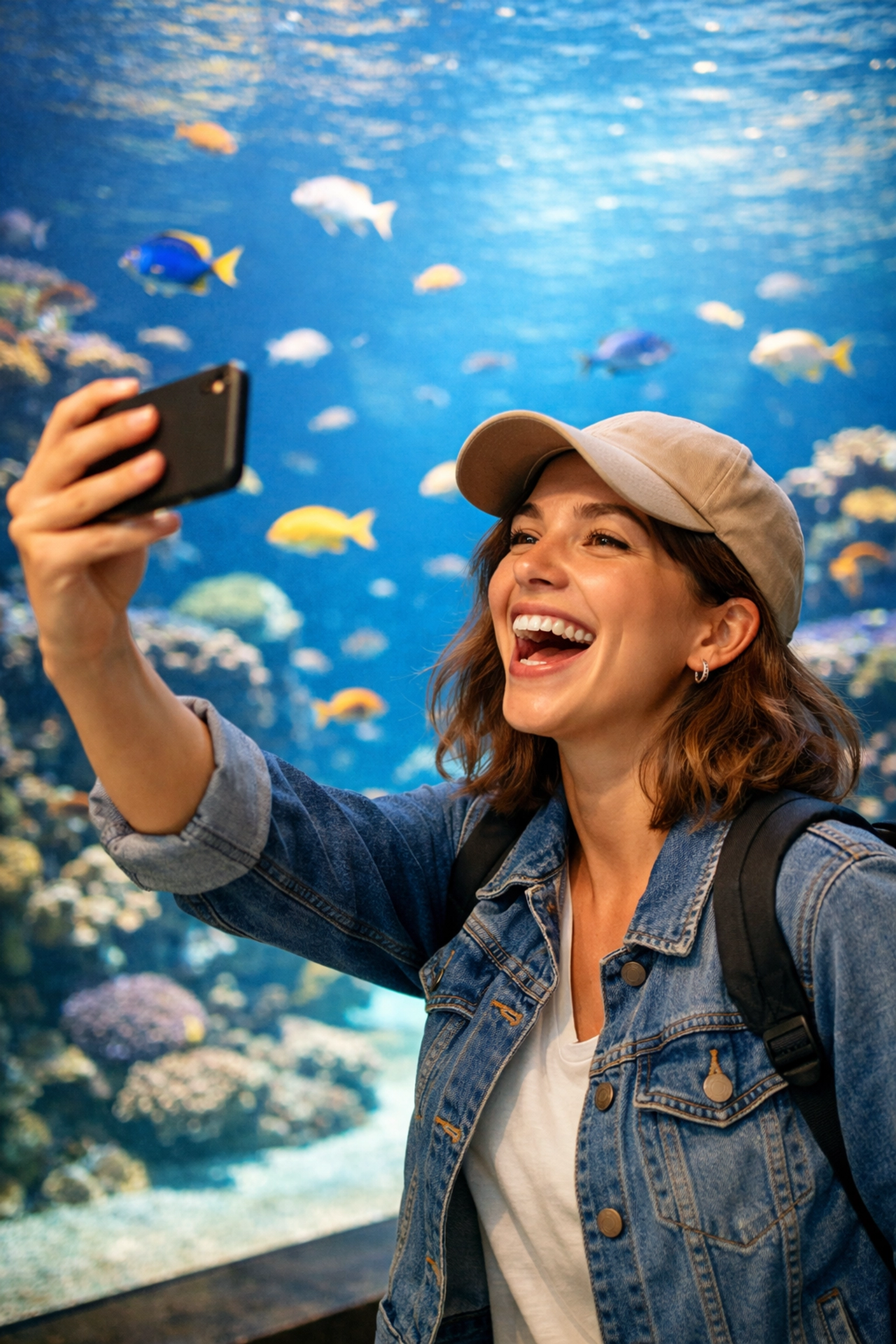
Every person who visits your zoo has a smartphone. That smartphone has a camera. That camera can become your most powerful marketing tool.
Making it happen:
- Place photo-worthy installations near popular exhibits
- Create branded frames or backgrounds
- Post clear signage encouraging photo sharing
- Promote a specific hashtag
- Tag locations on social platforms
When visitors share photos and tag your zoo, their entire network sees it. Authenticity sells better than any ad campaign you could buy.
Ask visitors to share. Most want to: they just need the gentle push.
Set up a few Instagram-friendly spots. A colorful mural. A clever photo frame. Something that makes people stop and think "this would look great on my feed."
Leverage "Presented By" Pages
Here's a strategy most zoos miss entirely.
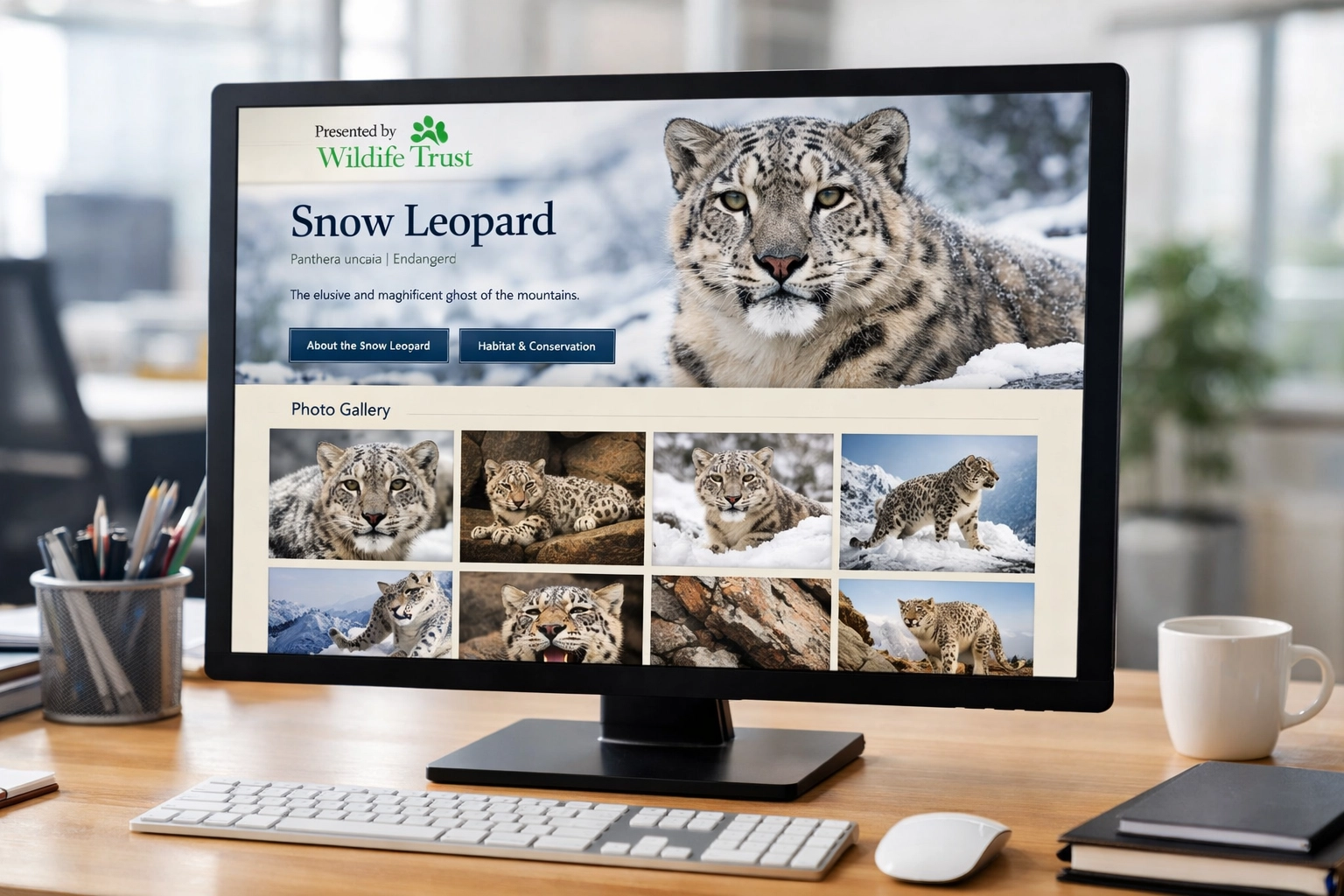
Individual animal pages: what we call "Presented by" pages: create specific touchpoints for specific animals. Instead of generic "mammals" sections, you build dedicated pages for individual species or even named animals.
Why this works:
- Sponsors get clear visibility
- Visitors find specific animals easily
- SEO targets exact search terms
- Content feels personal and engaging
Someone searching for "red panda photos" lands on your red panda page. That page has professional photos, fun facts, and a sponsor logo. The sponsor gets value. The visitor gets content. You get both engagement and revenue.
These pages need quality images. Multiple angles. Different seasons. Various behaviors. When sponsors see their name next to stunning visuals, they renew.
Master Behind-the-Scenes Content
People love what they're not supposed to see.
Feeding time. Veterinary checkups. Keeper training sessions. The early morning prep work. These moments humanize your zoo and create emotional connections.
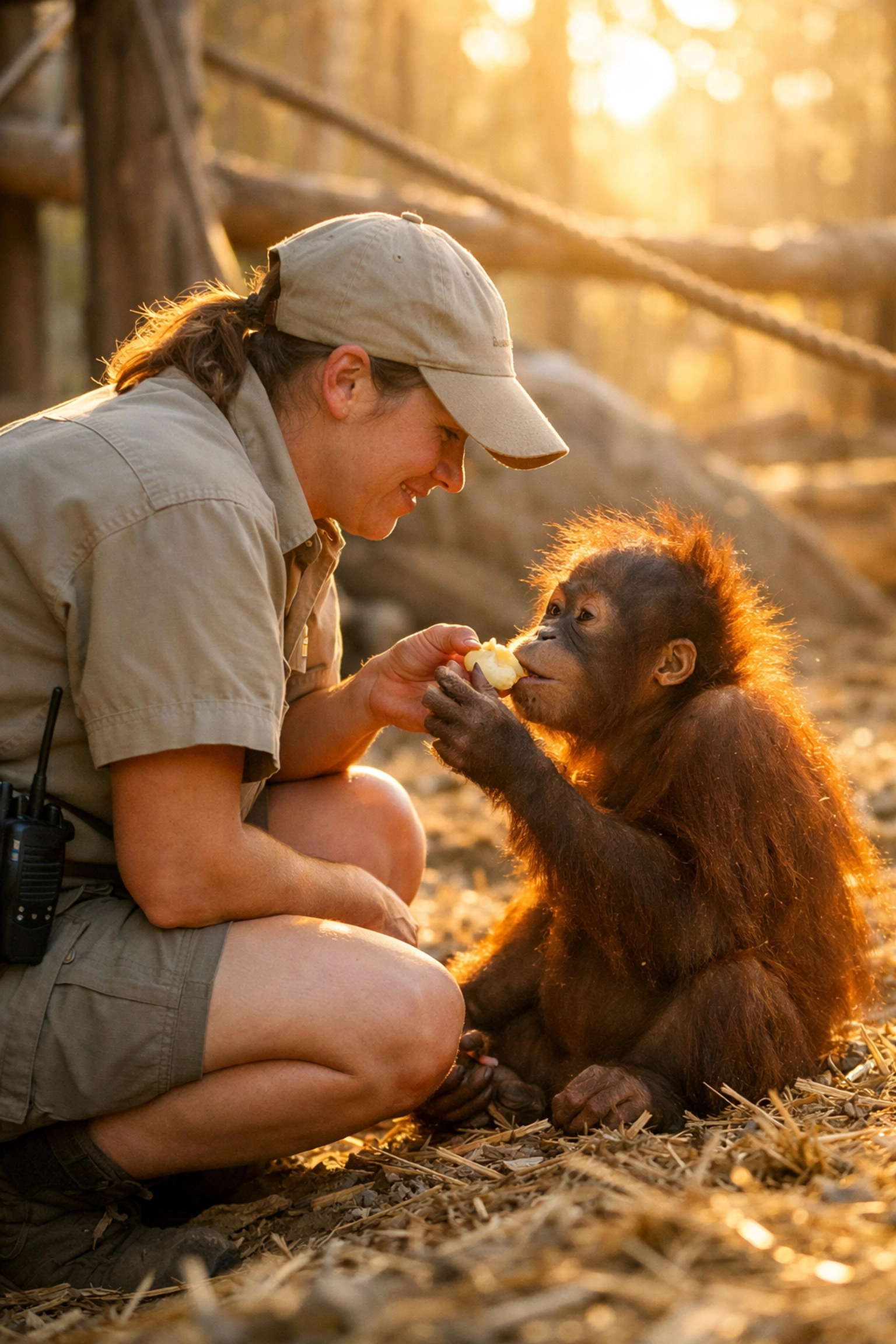
Behind-the-scenes photos don't need professional polish. Authenticity matters more than perfection here. A keeper bottle-feeding a baby giraffe at 5 AM? That's gold.
Content opportunities:
- Morning routines before opening
- Enrichment activities
- Training sessions
- Habitat preparation
- Animal birthdays and celebrations
Share these moments consistently. Build anticipation. "Tune in tomorrow for feeding time with our grizzly bears." People will show up.
The photos tell stories that formal marketing can't touch. They show the care, the expertise, the dedication happening every single day at your facility.
Sponsored Species Spotlights
Conservation costs money. Sponsors provide that money. Quality visuals make sponsorship attractive.
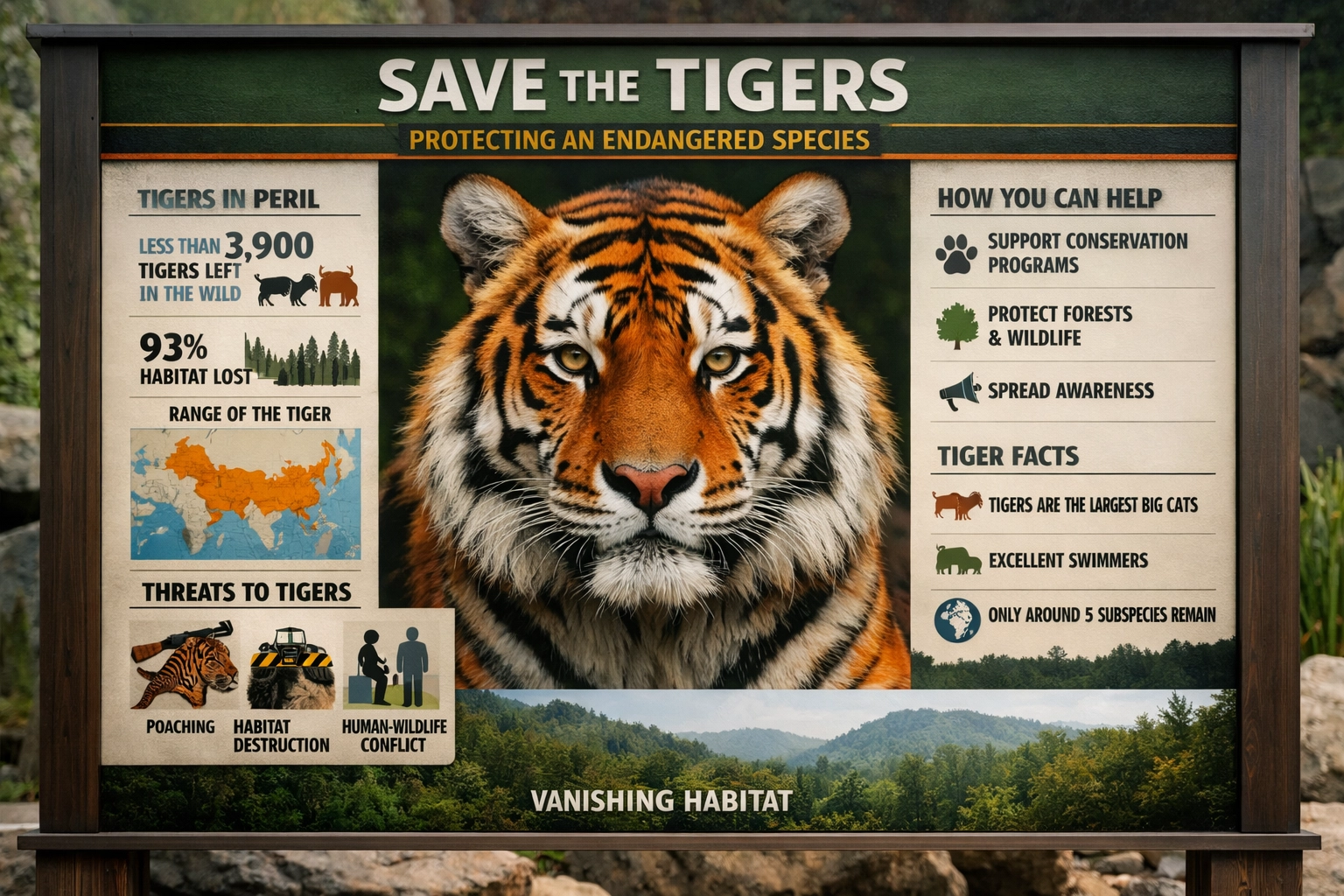
A sponsored species spotlight combines education with partnership visibility. You create compelling content about a specific animal or species. The sponsor gets featured. Everyone wins.
What makes a strong spotlight:
- Professional photography showing the animal's best angles
- Conservation status and challenges
- What your zoo does to help
- Clear sponsor recognition
- Shareable social media formats
These spotlights work across channels. Website features. Social posts. Email newsletters. Physical signage in the zoo.
The key? Make the sponsor look good while delivering genuine conservation messaging. Skip the corporate jargon. Focus on impact.
Create Consistent Visual Branding
Random photos scattered randomly create random results.
Consistent visual branding means people recognize your content immediately. Same style. Similar composition. Recognizable color palettes.
You're not looking for rigid uniformity. You want cohesive variety.
Building visual consistency:
- Establish photo guidelines for staff
- Use similar editing styles
- Maintain quality standards across all channels
- Create templates for social media posts
- Develop a content calendar
When your Instagram feed looks intentional rather than chaotic, people follow. When your website gallery shows professional cohesion, visitors trust you.
Quality matters more than quantity. Post three great photos per week instead of twenty mediocre ones.
Making It All Work Together
Picture engagement isn't one strategy. It's several strategies working in harmony.
Professional stock photos establish credibility. Visitor photos add authenticity. Behind-the-scenes content builds connection. Sponsored spotlights generate revenue. Consistent branding ties everything together.
Start small. Pick one strategy and execute it well. Then add another.
Maybe you begin with upgrading your stock photography library. Once that's solid, you launch a hashtag campaign encouraging visitor photos. Then you develop a few "Presented by" pages for your most popular animals.
Layer strategies gradually. Watch what resonates with your audience. Double down on what works.
Your Next Move
Picture engagement transforms zoo marketing from expensive to effective.
The images you share today determine tomorrow's attendance. Every photo is an opportunity. Every share is a new potential visitor.
Ready to level up your visual marketing? Zoo Imagery provides the professional animal stock photography and marketing solutions that make this all possible. Real animals. Real zoos. Real results.
Or connect with us on LinkedIn to see how other zoos are mastering picture engagement.
The animals are photogenic. Your marketing should be too.


