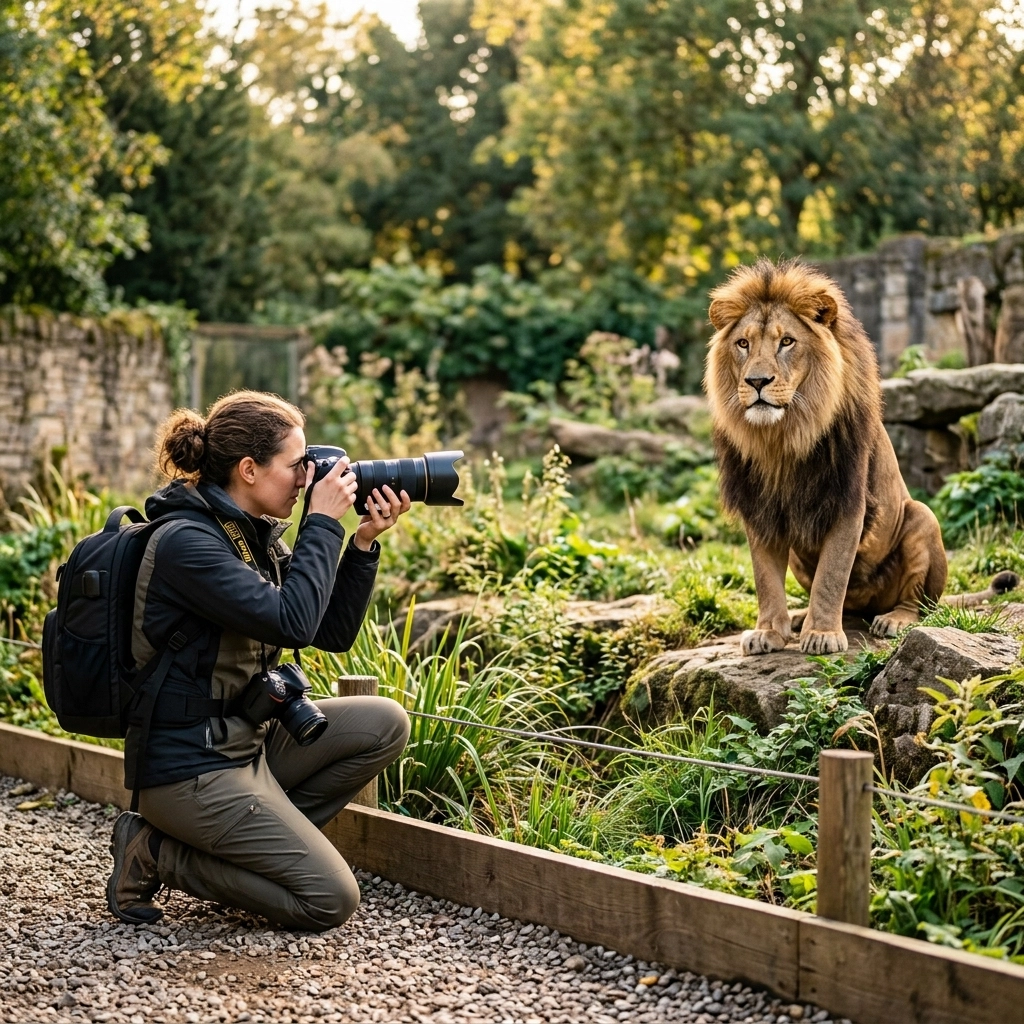
Zoo Animal Photos 101: A Beginner’s Guide to Mastering Picture Marketing
Good photos drive engagement. In the world of digital media, animal imagery is a powerhouse. People connect with wildlife. They stop scrolling for a lion’s gaze or a panda’s stumble.
This guide covers the basics. From the camera settings to the marketing strategy. Simple. Direct. Effective.
The Equipment
You don't need a studio. You need a lens.
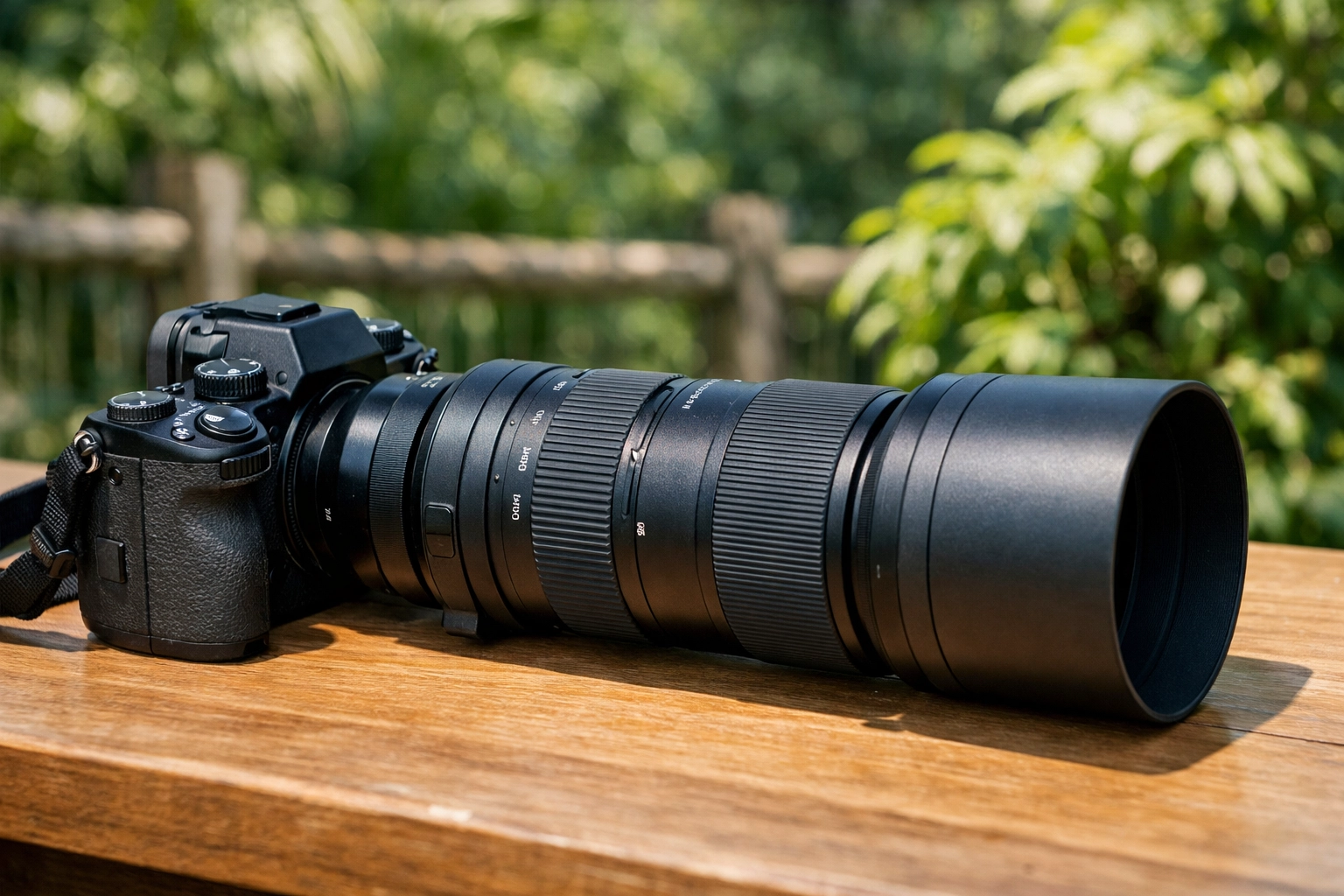
- Camera: DSLR or Mirrorless. Something that shoots RAW.
- Lens: A zoom is essential. 200mm to 500mm.
- Reach: Longer focal lengths let you fill the frame. They also help blur out fences.
- Stability: In-body image stabilization helps. A monopod is better for long days.
Keep your bag light. You’ll be walking.
Technical Basics
Don't overcomplicate the dials. Focus on three things.
1. Shutter Speed
Animals move. Often quickly.
- Stationary animals: 1/250s.
- Walking animals: 1/500s.
- Birds in flight: 1/1000s or faster.
2. Aperture
Control your depth.
- Wide (f/2.8 – f/5.6): Best for portraits. Blurs the background. Focuses on the subject.
- Narrow (f/8 – f/11): Good for groups. Keeps everyone in focus.
3. ISO
Let the camera work. Use Auto-ISO. Modern sensors handle the grain. A sharp, grainy photo is better than a clean, blurry one.
Composition and Connection
A photo is a story. How you frame it matters.
The Eyes
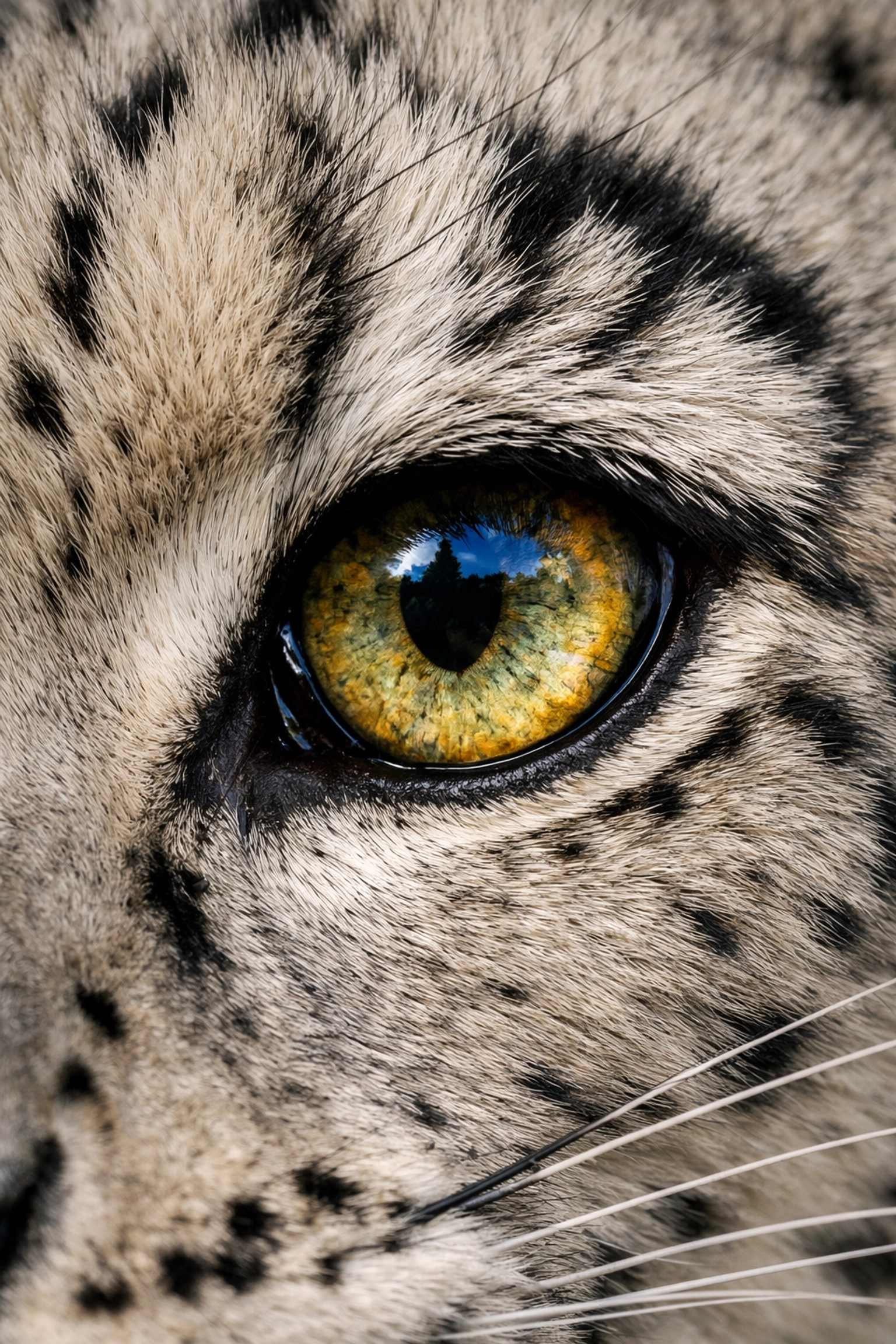
The eyes are the anchor. If the eyes aren't sharp, the photo fails. Use your camera’s "Animal Eye AF" if it has it. If not, use a single focus point on the pupil.
Get Low
Don't shoot from a standing height. It looks like a tourist photo. Get down to the animal's eye level. It creates intimacy. It makes the viewer feel like they are in the habitat, not behind a rail.
Rule of Thirds
Put the animal off-center. Give them "look room." If a lion is looking left, place him on the right side of the frame. It creates a sense of space and direction.
Hiding the Zoo
The goal is often to make the zoo disappear.
- The Fence Trick: Get your lens as close to the wire as possible. Use a wide aperture. The fence will blur into nothing.
- Backgrounds: Watch for signs, trash cans, or bright concrete. Shift your feet a few inches. A green leaf background beats a gray wall every time.
- Timing: Ask the keepers. They know when the animals are active. Morning and late afternoon are best. The light is soft. The animals are awake.
Marketing with Imagery
At Zoo Imagery, we don't just take pictures. We create marketing assets. Stock photography is the foundation of digital storytelling.

Sponsored Species Spotlights
This is where photography meets brand alignment.
Companies want to be associated with specific values.
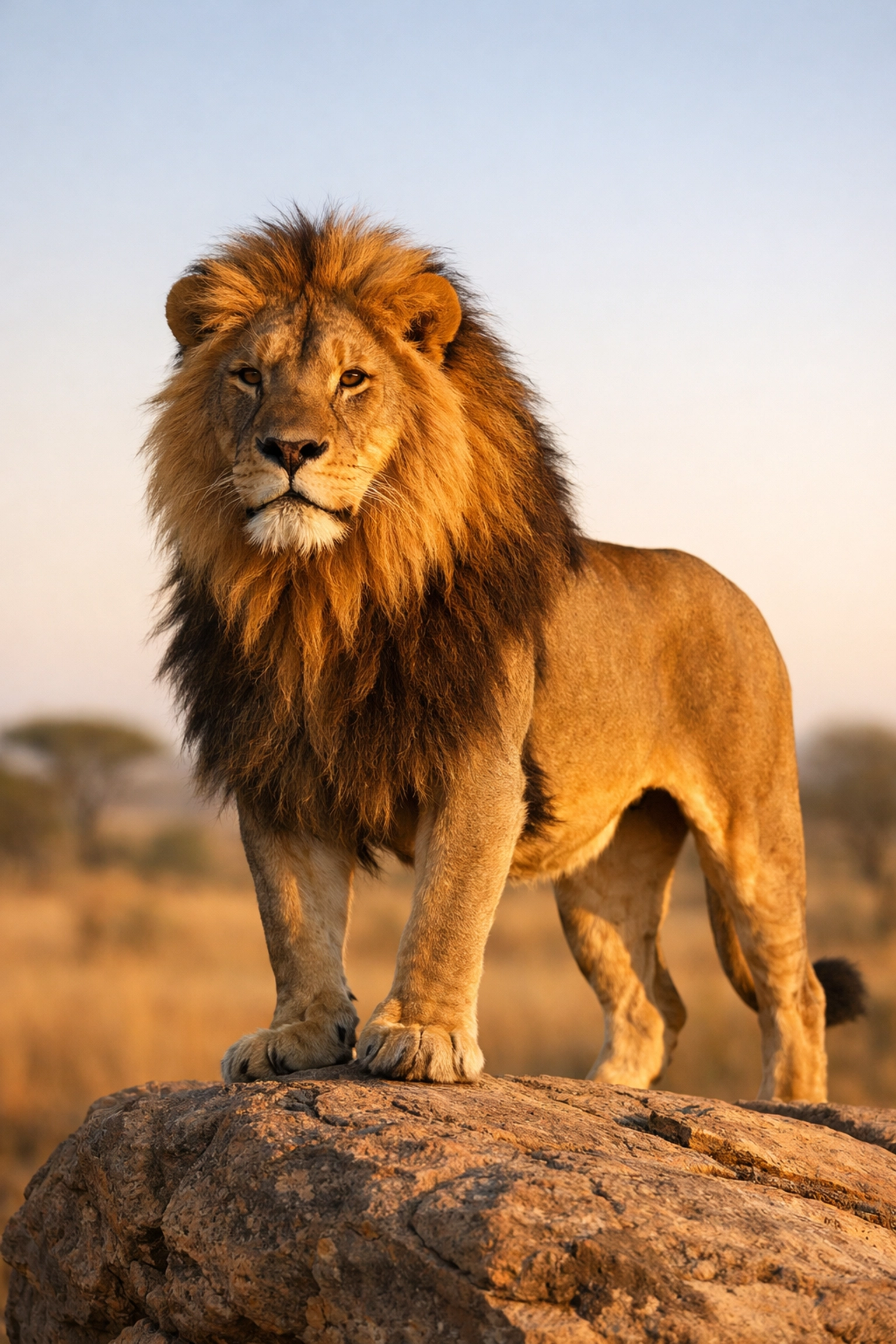
- Strength: Lions or Wild Tigers.
- Intelligence: Elephants.
- Gentleness: Pandas.
A Sponsored Species Spotlight highlights one animal. It uses high-quality photography to tell the story of that species. It links a brand to conservation. It’s clean. It’s effective.
"Presented By" Animal Pages
Think of these as digital real estate.
When a user visits a page for Giraffes or Polar Bears, they see the brand. Not as a pop-up ad, but as a partner.
"Giraffes: Presented by [Brand Name]."
It builds trust. It associates the brand with the joy of discovery.
The Strategy of Stock
Why use stock photography from Zoo Imagery?
- Consistency: High-quality assets across all platforms.
- Speed: Instant access to a library of diverse species.
- Engagement: Professionally captured moments outperform generic snapshots.
Species Focus
Your marketing should be targeted. Use the right animal for the right message.
- Hyenas: Misunderstood, social, complex. Great for unique storytelling.
- Birds: Color, movement, freedom. Perfect for vibrant lifestyle campaigns.
- Example Files: See the quality. Test the layout.
Conservation and Corporate Responsibility
Modern marketing isn't just about selling. It's about values. Use photography to show commitment to the planet.
Visuals of endangered species remind audiences of the stakes. High-quality stock photography makes these animals real. It turns a "conservation goal" into a face people want to protect.
We focus on quality imagery that supports these narratives. Simple stories. Real impact.
Tips for Success
- Be Patient: The best shot happens in the last five minutes of a two-hour wait.
- Edit Lightly: Keep it natural. Don't over-saturate. Wildlife is beautiful as it is.
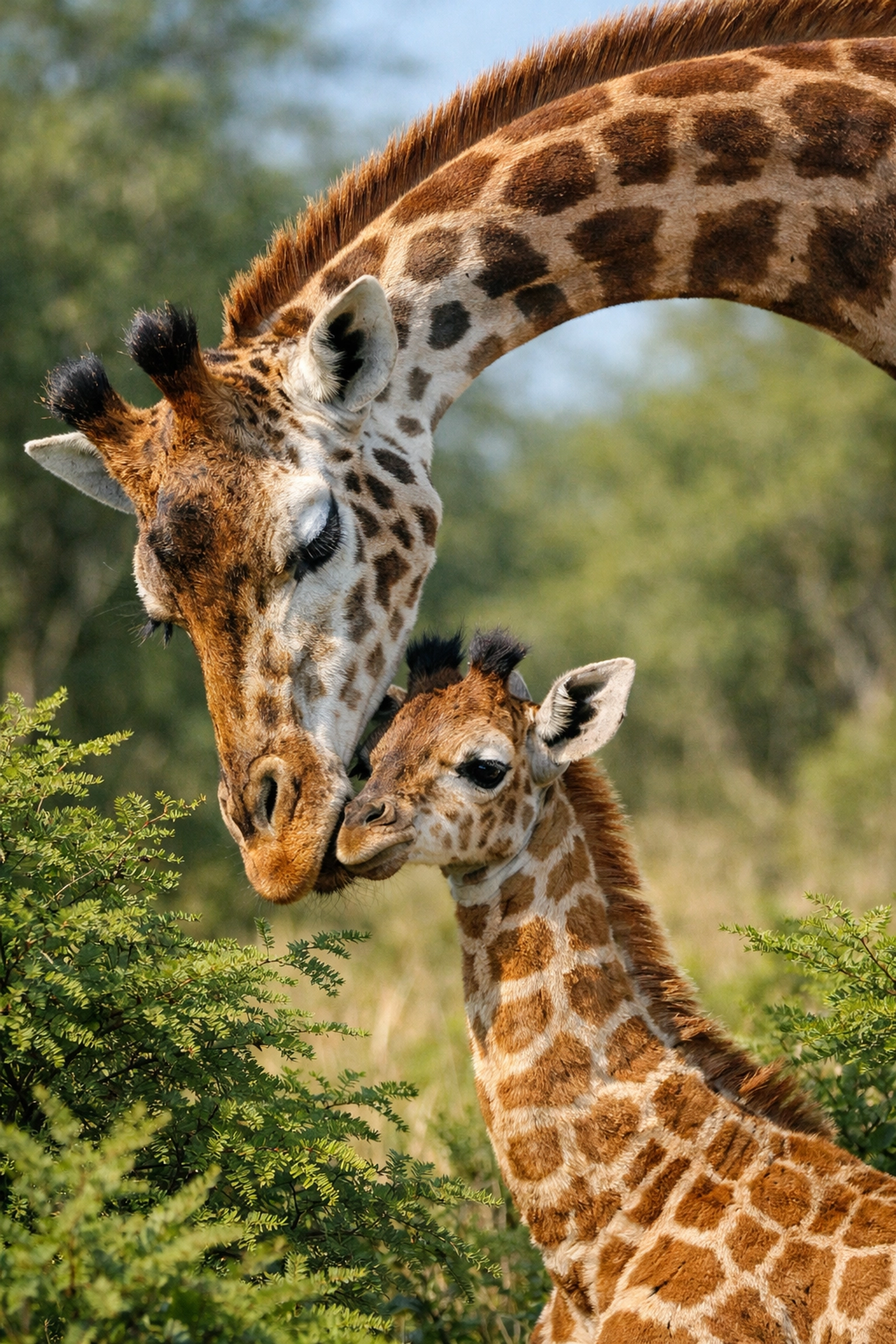
- Tell a Story: Don't just take a photo of an animal. Take a photo of a behavior. A yawn. A stretch. A mother and calf.
Summary
Mastering zoo photography requires technical skill and a marketing mindset.
Use the right gear.
Focus on the eyes.
Blur the barriers.
Then, put those photos to work. Use them in spotlights. Build "Presented by" pages. Make the connection between the brand and the wild.
Zoo Imagery provides the assets. You provide the vision.
Connect with Us
Ready to upgrade your digital media?
Explore our full library at zooimagery.com.
Find us on LinkedIn for more tips on wildlife marketing and photography.
Simple photography. Simple marketing. Better results.


