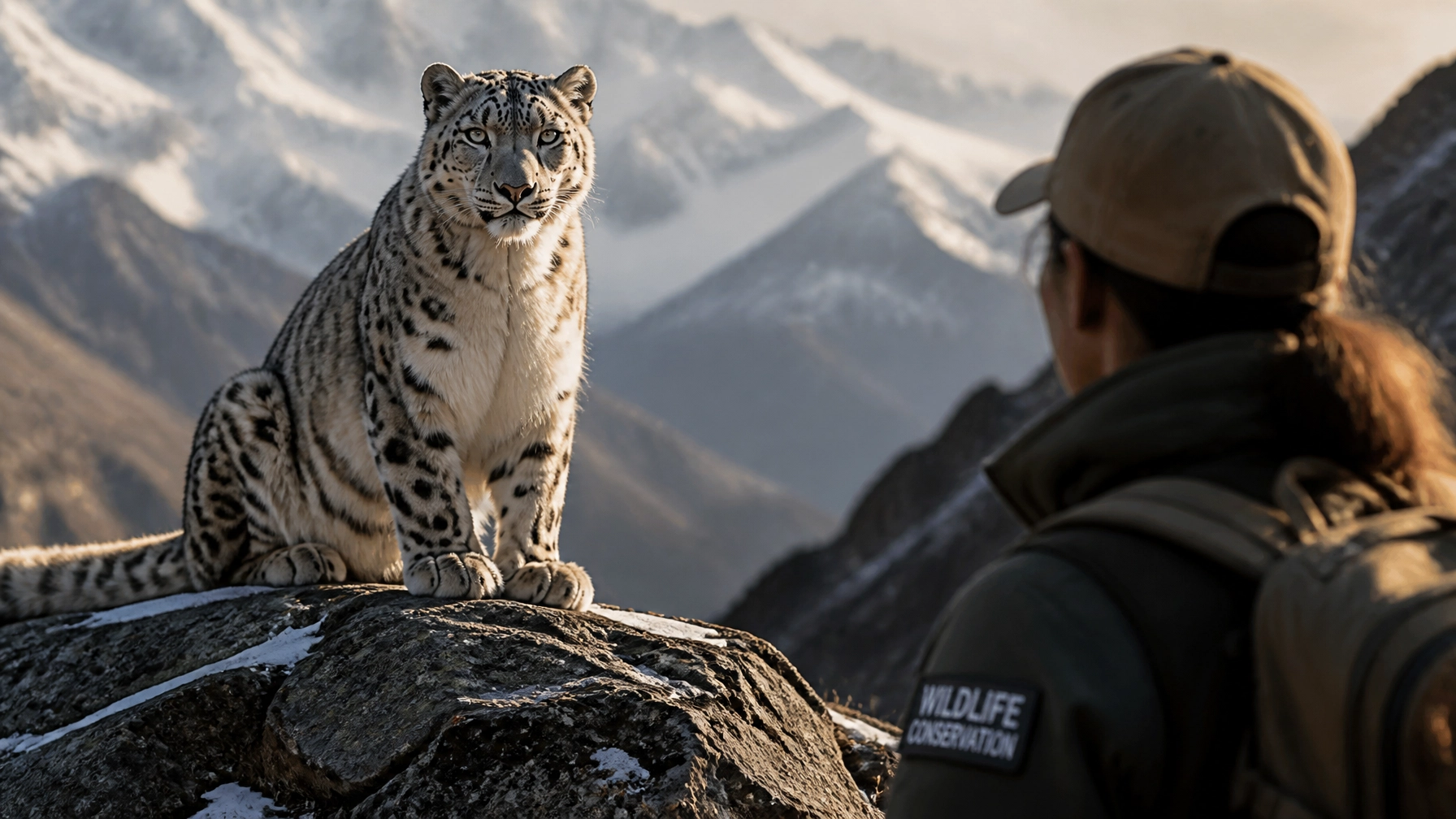
Your Quick-Start Guide to Sustainable Wildlife Marketing: Do This First
Marketing for zoos and aquariums is changing.
The old way: animals as attractions.
The new way: institutions as conservation platforms.
The shift is necessary.
Visitors want more than a day out. They want to know their ticket matters.
They want proof of care. They want a connection to the wild.
This guide outlines the first steps to future-proof your marketing.
No jargon. No complex theories. Just direct actions.
The Foundation: High-Impact Visuals
The first thing you must do: audit your imagery.
Your photos are your first impression.
If they look like static stock from 2005, your mission feels dated.
Why Quality Matters
- Trust. High-resolution photos show transparency.
- Emotion. A crisp shot of a tiger's eye tells a story better than a paragraph.
- Engagement. Better visuals get more shares. Simple math.
Our library at Zoo Imagery is built for this.
We offer diverse animal categories. Polar bears. Wild tigers. Giraffes.
Professional photography that saves you time.
No need to wait for the "perfect shot" in the field.
We have them in landscape and portrait. Ready to use.
Action Item
Replace one "generic" photo on your homepage today.
Choose a shot with natural lighting.
Make the animal the hero.
Capture a moment of quiet dignity.
Step 2: Leverage the Guest Experience

Your best marketers aren't on your payroll.
They are the people walking through your gates.
User-generated content (UGC) is the most powerful tool you have.
The ZooMedia Advantage
Guests take thousands of photos. Most stay on their phones.
The ZooMedia.us phone app changes this.
It allows guests to share their photos easily.
It creates a loop of authentic content.
- Real-time engagement. See what guests are seeing.
- ROI tracking. Measure the impact of guest shares.
- Authenticity. A photo from a visitor is 10x more trusted than an ad.
How to Start
Don't just ask for photos.
Give them a reason to share.
Designate "Photo Spots."
Ensure these spots align with naturalistic exhibits.
No bars in the background. Just the wild.
Step 3: Radical Transparency

Marketing is no longer about the "show."
It is about what happens behind the curtain.
The public wants to see the work.
Show the Care
- Veterinary check-ups. Show the expertise.
- Nutrition prep. Explain the diet.
- Enrichment. Why do the animals play? Explain the science.
Transparency builds a bridge.
It counters misconceptions.
It shows that welfare is the priority, not the byproduct.
Content Idea
Start a "Behind the Lens" series.
One photo. One caption. One fact about care.
Keep it brief. Let the image do the heavy lifting.
Step 4: Ecosystem Storytelling
Modern marketing moves away from "one animal, one enclosure."
It focuses on the whole.
The habitat. The climate. The community.
The Holistic Approach
When you feature a lion, talk about the savannah.
When you feature a penguin, talk about the ocean.
Connect the resident animal to their wild counterparts.
- Local impact. Highlight conservation in your own backyard.
- Global reach. Show how your work helps species worldwide.
- Integration. Your gift shop, your food court, and your exhibits should tell the same story.
The Strategy: Keep It Simple
Marketing doesn't need to be loud.
It needs to be honest.
Focus on quality over quantity.
The Checklist
- Audit. Remove low-quality, dated images.
- Access. Get professional stock from Zoo Imagery.
- App. Implement ZooMedia.us for guest content.
- Analyze. Use data to see what stories resonate.

The Future of the Mission
Conservation is a long game.
Your marketing should reflect that.
Stop selling tickets. Start building a community of advocates.
Be the authority.
Be the storyteller.
Be the reason someone cares about the wild.
The tools are ready.
The animals are waiting.
Do this first: tell a better story.
Ready to elevate your visual storytelling?
Visit Zoo Imagery to explore our animal photography library.
Follow our journey and stay updated on LinkedIn.


