Wildlife Trends Matter: How to Build Campaigns That Actually Protect Animals
Friday, April 3, 2026.
Marketing for zoos and aquariums is changing.
In the past, a nice photo of a lion was enough. Not anymore.
People want more. They want proof. They want to know their money stays with the animals. They want to see the impact of their visit.
At Zoo Imagery, we see the data. We see the trends.
Doing good is now the baseline. We call it ESG-aligned marketing. You might call it "doing the right thing."
Here is how to build campaigns that actually work.
The Shift Toward Reality
Audiences are tired of buzzwords. They don't want "sustainability" or "corporate social responsibility."
They want to see a tiger eating. They want to see a wild tiger in its habitat. They want the truth.
Modern campaigns must bridge the gap between a digital screen and a wild forest.
The goal isn't just likes. It is protection.
Define the Mission
Before you take a photo, know the goal.
Most campaigns fall into three buckets:
- Awareness. People need to know the animal exists.
- Fundraising. You need money for a specific project.
- Behavioral change. You want people to stop using plastic or buy different coffee.
Pick one. Do not mix them.
If you ask for money and a lifestyle change in the same post, you get neither.
Keep it simple. One post. One goal. One action.
Data-Driven Content
The "vibe" of a campaign is not enough. You need data.
Research shows different groups react to different animals.
- Older men: High engagement with wild dog stories.
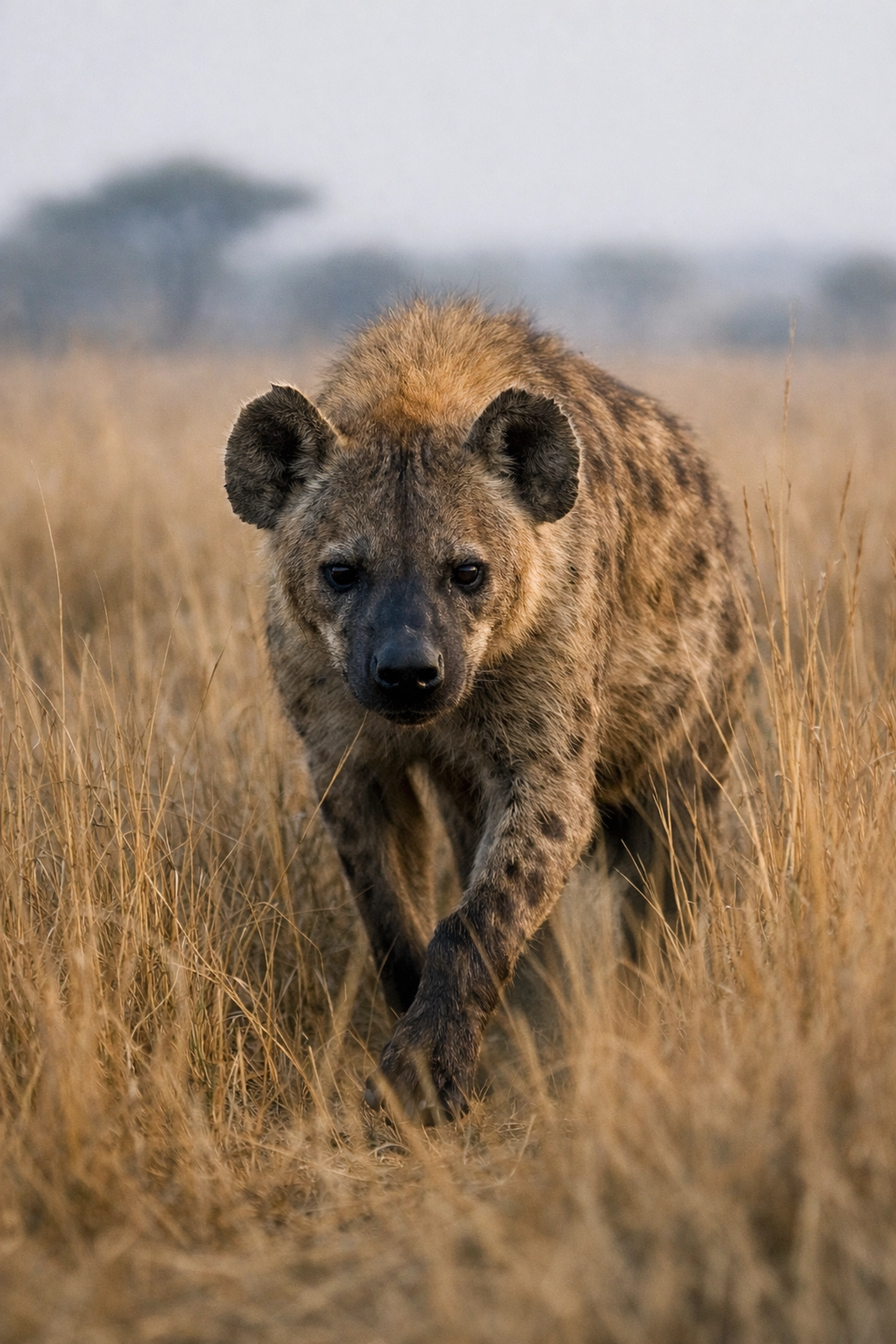
- Older women: High engagement with elephants.
If you are running an ad for a membership drive, segment your photos. Don't show everyone the same thing.
Use elephants for one group. Use birds or wild dogs for the other.
The results are in the specifics.
The "Underdog" Species
Iconic animals are easy. Lions. Tigers. Pandas.
Everyone loves them. But they are crowded markets.
The real opportunity is in the "underdogs."
Lesser-known species often drive deeper engagement. They feel new. They feel rare.
Look at the yellow-shouldered Amazon parrot. In Bonaire, a campaign used songs, posters, and sermons. They didn't just show a bird. They made the bird part of the community.
The population grew from 294 to over 1,000 birds.
This is the power of a specific story.
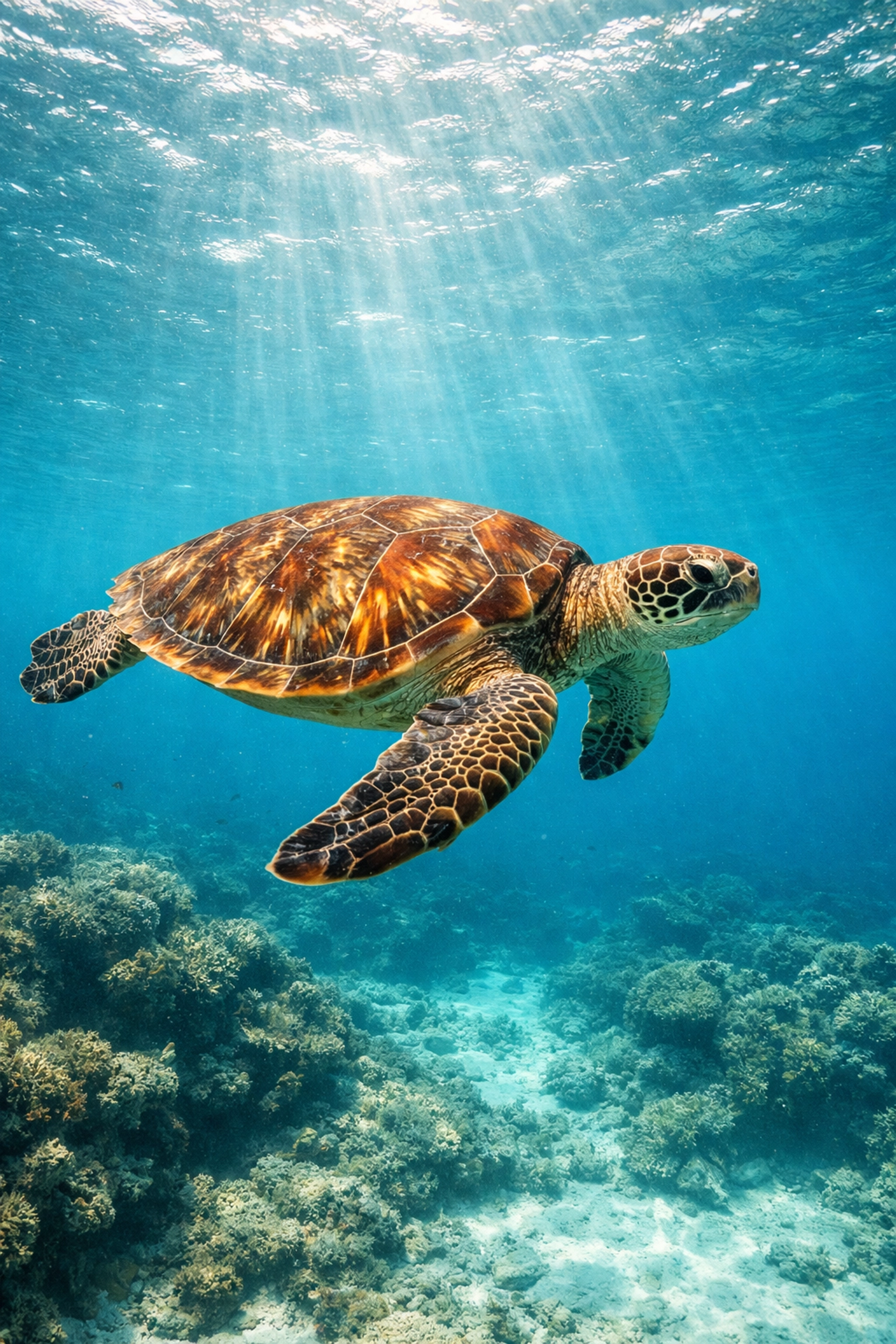
Don't ignore the hyenas. Don't ignore the reptiles.
Often, the most "unlovable" animals have the most compelling stories to tell.
Storytelling Without the Fluff
Stories save animals. But bad stories waste time.
A good conservation story has three parts:
- The Threat. What is happening? Be honest.
- The Solution. What are you doing about it? Be specific.
- The Result. What happened? Show the impact.
Skip the adjectives. Stick to the facts.
"The elephant is majestic" is a waste of words.
"This elephant was rescued from a snare and now walks five miles a day" is a story.
Visuals are the backbone of this. A high-quality photo does the work of 1,000 adjectives.
Partnerships That Mean Something
Zoos cannot do this alone.
Partner with local groups. Partner with environmentalists.
This builds credibility. It shows you are part of a larger network.
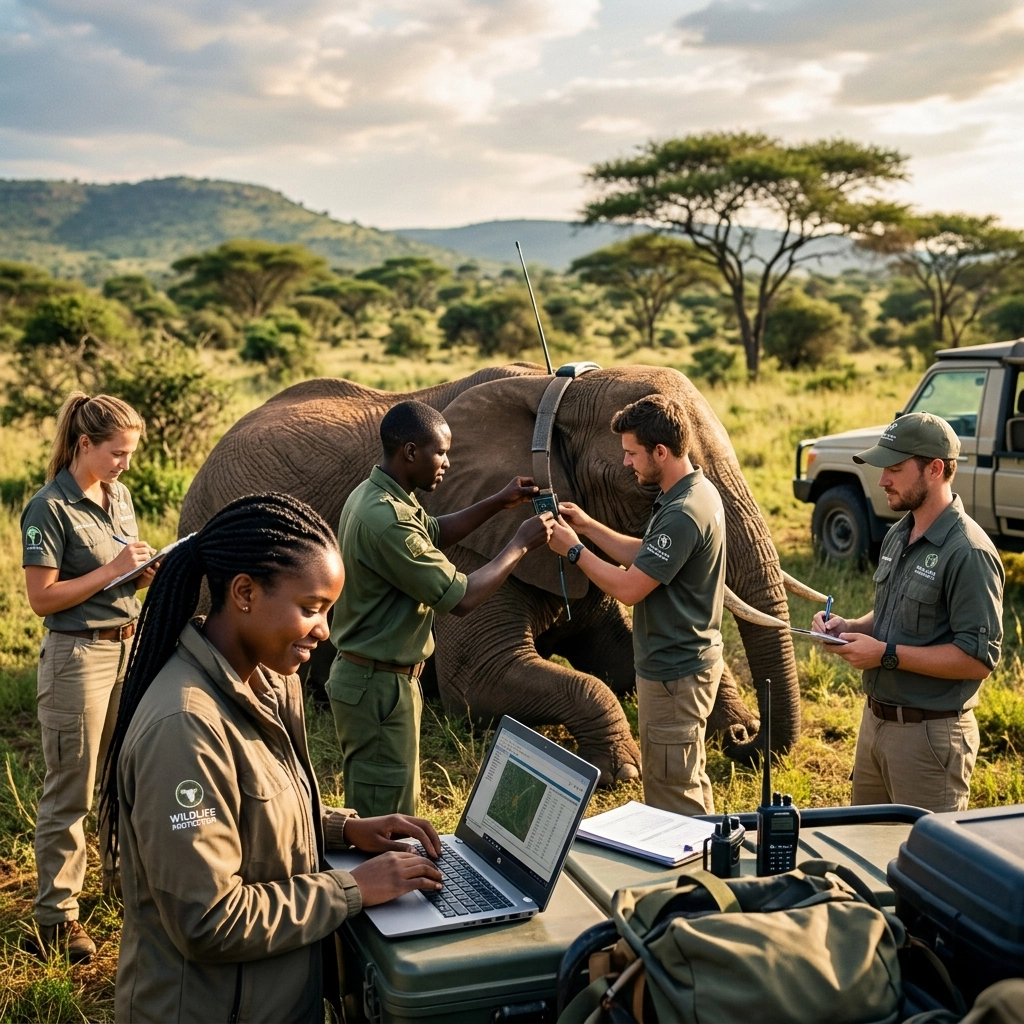
When you feature a species, mention the boots on the ground.
If you are highlighting giraffes, talk about the rangers in Africa.
This makes the campaign feel real. It moves it from a "zoo thing" to a "world thing."
Actionable Calls to Action (CTAs)
"Learn more" is the weakest phrase in marketing.
It asks the reader to do more work.
Better CTAs:
- "Fund a ranger's kit."
- "Join the conservation circle."
- "Protect a nest."
Make the action feel like an outcome.
If the goal is behavioral change, give them a tool.
Don't just say "Save the ocean." Give them a list of sustainable fish to buy.
Direct action creates a connection.
Measuring Success
How do you know it worked?
Don't look at "reach." Reach is a vanity metric.
Look at:
- Conversion. How many people actually signed up?
- Sentiment. Are people asking questions about the animal?
- Retention. Do they come back for the next update?
Transparency builds trust.
If a campaign fails, say so. If a project hits a snag, share it.
People don't expect perfection. They expect honesty.
The Visual Element
We live in a visual world.
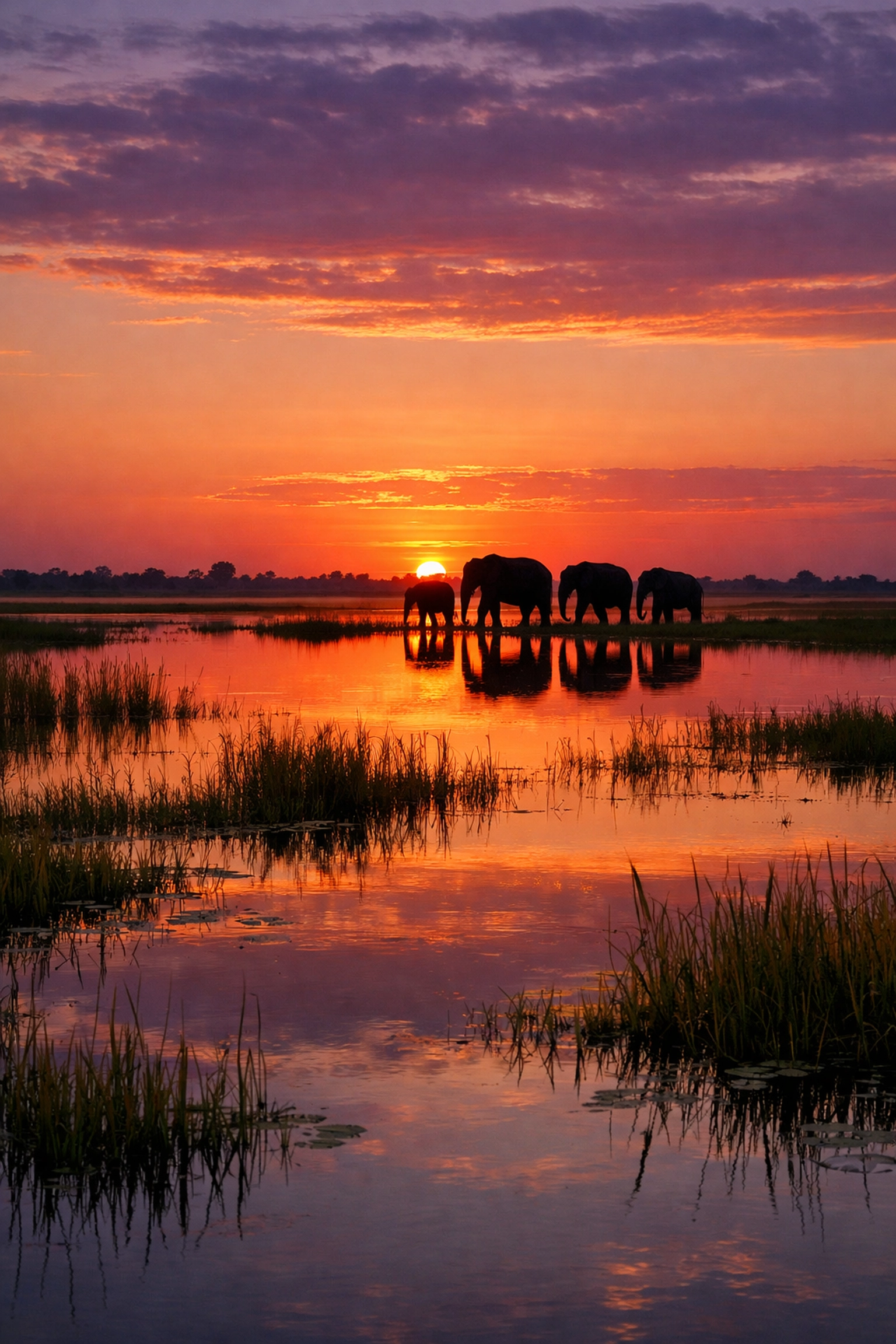
Low-quality photos suggest low-quality conservation.
This is where Zoo Imagery helps.
We provide the raw, high-impact media you need to tell these stories.
You need the polar bears to look like they are in the wild. You need the lions to look powerful.
The image is the first thing they see. It determines if they read the second thing.
Invest in quality. It pays off in engagement.
Summary of Tactics
- Be Specific. Target your species to your audience.
- Be Direct. One goal per campaign.
- Be Honest. No buzzwords. Just impact.
- Be Visual. Use the best media available.
Wildlife trends move fast.
People are smarter than they were five years ago. They see through the marketing.
They want to be part of something real.
Build a campaign that gives them that chance.
Connect With Us
We help zoos and aquariums tell better stories.
We provide the media. You provide the mission.
Together, we protect wildlife.
Visit us at zooimagery.com to see our library.
Follow our updates on LinkedIn.
Let's build something that matters.

About Zoo Imagery
We provide high-quality stock photography and digital media for the zoological industry. Simple solutions. Real impact. No fluff.
Contact us for more information on how we can support your next campaign.


