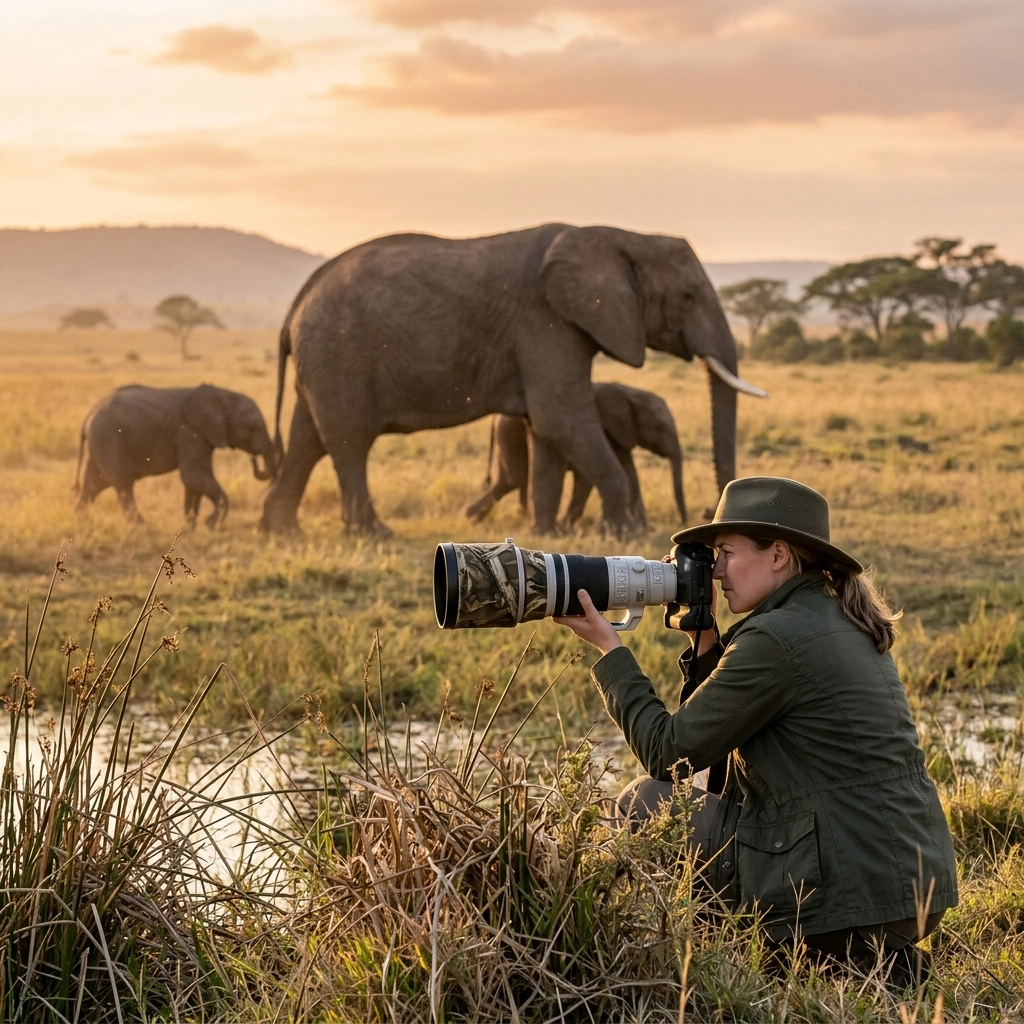
Wildlife Photography Secrets Revealed: What Ethical Marketing Experts Don’t Want You to Know
Marketing is changing.
Authenticity is the new currency.
In the world of wildlife photography, "perfect" is often a lie.
Ethical experts talk about rules.
They rarely talk about the business impact of those rules.
At Zoo Imagery, we look at the data.
We see what works for zoos and aquariums.
The secret isn't a lens.
It isn't a camera body.
The secret is trust.
The Myth of the "Clean" Shot
Most marketing agencies want clean backgrounds.
They want no fences. No humans. No distractions.
This creates a disconnect.
If you are a zoo, your visitors see fences. They see humans.
When your marketing looks like a wild documentary, the visitor feels let down.
Ethical photography reveals the truth.
It shows the animal in its actual environment.
It shows the care.
It shows the relationship between the keeper and the species.
This is where trust begins.

The Baiting Scandal
Here is something experts rarely discuss openly.
Many "wild" award-winning photos use bait.
Food. Calls. Scent.
It gets the bird to land on the specific branch.
It gets the predator to look at the lens.
In zoo marketing, baiting is unnecessary.
But "staging" is common.
We advise against it.
Natural behavior sells better than staged poses.
A lion sleeping is more honest than a lion forced to roar for a snack.
Honesty resonates with modern donors.
They want to see the animal's life, not a performance.
Marketing Insights: The Transparency Loop
Zoos are under pressure.
Social and environmental accountability is now a requirement.
Donors ask: "How is this animal helping its wild cousins?"
Your imagery must answer this.
Don't just show a panda eating bamboo.
Show the research.
Show the conservation team.
The secret experts hide: Transparency reduces PR crises.
When you show the reality of conservation, the mud, the hard work, the slow progress, people lean in.
They don't want a polished brochure.
They want a mission they can join.

The Trend: From Hero to Habitat
For years, wildlife photography was about the "Hero Shot."
One animal. Tight crop. Blurred background.
The new trend is "Habitat Context."
Wider angles.
Showing the ecosystem.
For an aquarium, this means showing the fish within the reef structure.
It highlights the scale of the challenge.
Marketing experts often push for the hero shot because it’s easy to place on a website.
But habitat shots drive deeper engagement.
They tell a story of interdependence.
This aligns with current environmental goals without using the usual buzzwords.
It is visual proof of care.
Species Spotlights: Why Vulnerability Matters
Let’s talk about hyenas.
Or wild tigers.
Standard marketing says: "Make them look majestic."
Ethical marketing says: "Make them look real."
Vulnerability is a powerful tool.
A tiger resting after a meal.
A hyena caring for a cub.
These moments humanize species that are often misunderstood.
Marketing for zoos shouldn't just be about the "cute" or the "scary."
It should be about the "essential."
Every species has a role.
The imagery should reflect that dignity.
The Social Footprint of Your Media
Every image carries a footprint.
How was it taken?
Was the animal stressed?
Did the photographer stay too long?
Ethical experts often focus on the "don'ts."
We focus on the "results."
Ethical photography lasts longer.
It doesn't age poorly when standards change.
It doesn't get "called out" by savvy online communities.
Using stock from a trusted source like Zoo Imagery ensures your media is safe.
It means the photographers understand animal behavior.
They respect the boundaries.

Quality Over Quantity
The digital world is loud.
Most marketing advice is "post more."
We say "post better."
One high-quality image of elephants interacting naturally is worth fifty mediocre snapshots.
Depth creates connection.
Frequency creates noise.
Zoos and aquariums are places of quiet observation.
Your digital presence should mirror that.
Use your birds imagery to show flight and freedom within care.
Use your polar bears content to talk about climate reality, simply.
No jargon.
Just the image and the fact.
The ROI of Ethical Standards
Why do marketing experts hide this?
Because ethical photography is harder to produce.
It requires patience.
It requires knowledge of the species.
It's easier to sell a "quick fix" stock photo.
But the ROI of ethical media is higher.
- Higher donor retention.
- Better community trust.
- Lower risk of negative social media sentiment.
- Longevity of assets.
If an image is captured ethically, it remains a gold-standard asset for years.
If it's captured through trickery, it's a ticking time bomb for your brand.
Visual Storytelling for Zoos
Zoos are more than attractions.
They are centers of science.
Your imagery needs to reflect this.
Instead of a giraffe just standing there, show the detail.
The tongue. The ossicones. The skin patterns.
Education is the goal.
Marketing experts often want "excitement."
We want "curiosity."
Curiosity leads to learning.
Learning leads to support.
Support leads to conservation.

Making the Choice
You have two options for your next campaign.
- Use standard, high-gloss imagery that looks like everyone else.
- Use ethical, truthful imagery that tells a unique story.
The second option is the one experts don't want you to know about because they can't automate it.
It requires a human touch.
It requires a connection to the animals.
At Zoo Imagery, we provide that connection.
How to Audit Your Current Media
Look at your website today.
Ask these three questions:
- Does this image look like a real animal in a real place?
- Does this image respect the animal’s dignity?
- Would I be comfortable showing the photographer's process to a donor?
If the answer is no, it's time to refresh your library.
The "secrets" of wildlife photography aren't complicated.
They are just ignored for the sake of speed.
Slow down.
Get it right.
The animals deserve it.
Your audience expects it.
Your Strategy Moving Forward
Focus on the species that need the most help.
Highlight the work behind the scenes.
Avoid the "perfect" and embrace the "true."
This is how you build a brand that lasts.
This is how you turn a visitor into a lifelong advocate.
We are here to help you navigate that shift.
Our library is built on these principles.
No tricks.
No baiting.
Just imagery that works.

Connecting with Zoo Imagery
The landscape of digital media is shifting toward accountability.
Zoos and aquariums are at the forefront of this change.
Your visuals are the first thing people see.
Make sure they represent your values.
Explore our collections of wildlife imagery.
See the difference that ethical standards make.
Simple. Direct. Honest.
Next Steps
Ready to elevate your marketing with imagery that matters?
Visit zooimagery.com to browse our specialized categories.
Follow us on LinkedIn to stay updated on the latest trends in wildlife marketing and conservation storytelling.
Let’s tell the real story together.


