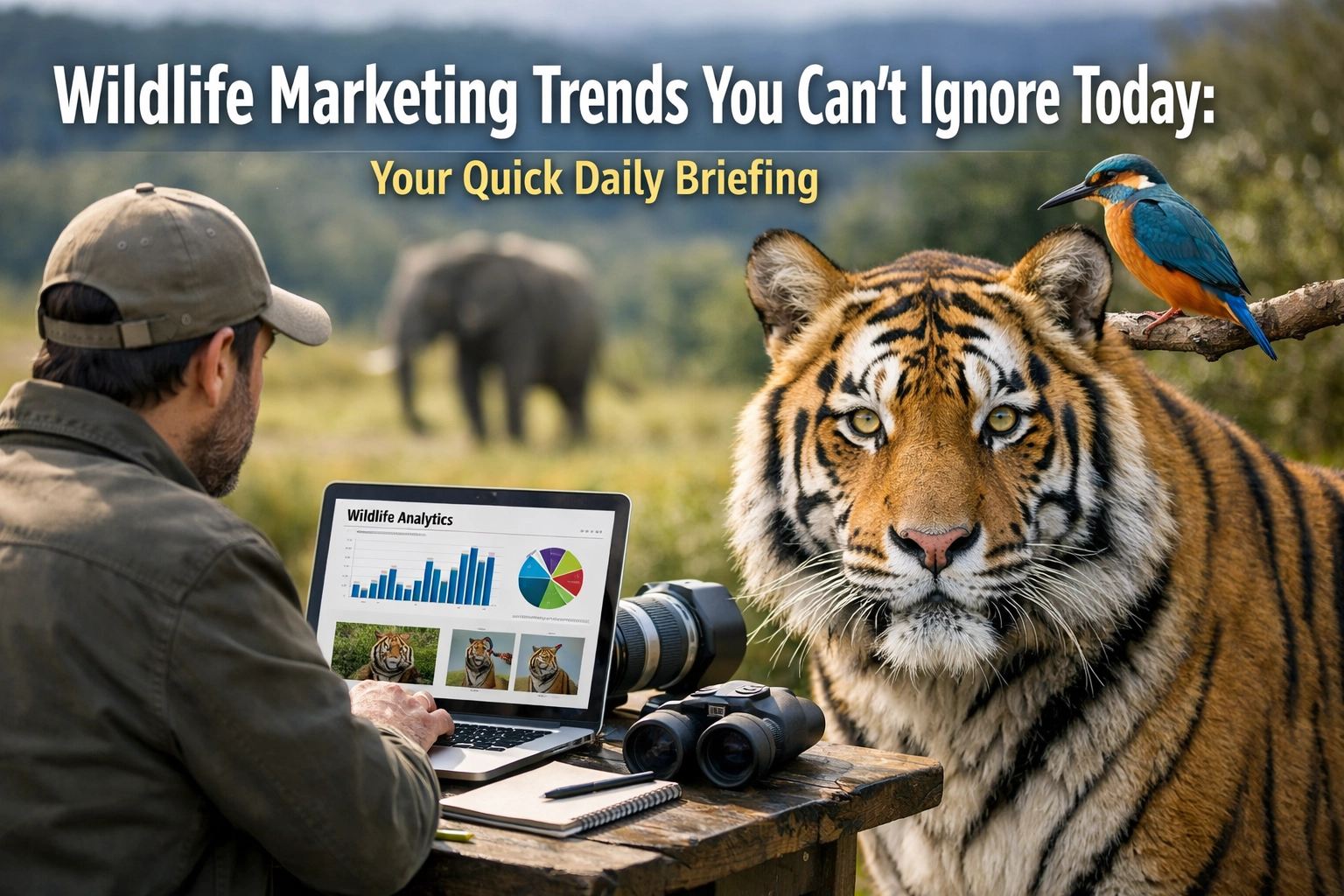
Wildlife Marketing Trends You Can’t Ignore Today: Your Quick Daily Briefing
Monday, February 16, 2026
Good morning. Here's what's happening in wildlife marketing right now.
The Big Number
Wildlife tourism just hit $189 billion globally. By 2033, that number jumps to $338 billion.
What this means for your zoo or aquarium: The market is expanding. Fast. Your visitors aren't just looking for a day out anymore. They want something real.
What Visitors Actually Want
43% of American travelers now prioritize seeing animals in natural habitats over theme parks and traditional attractions.
This shift matters. Your marketing can't rely on "come see our animals" anymore. Visitors want context. They want connection. They want to understand why it matters.
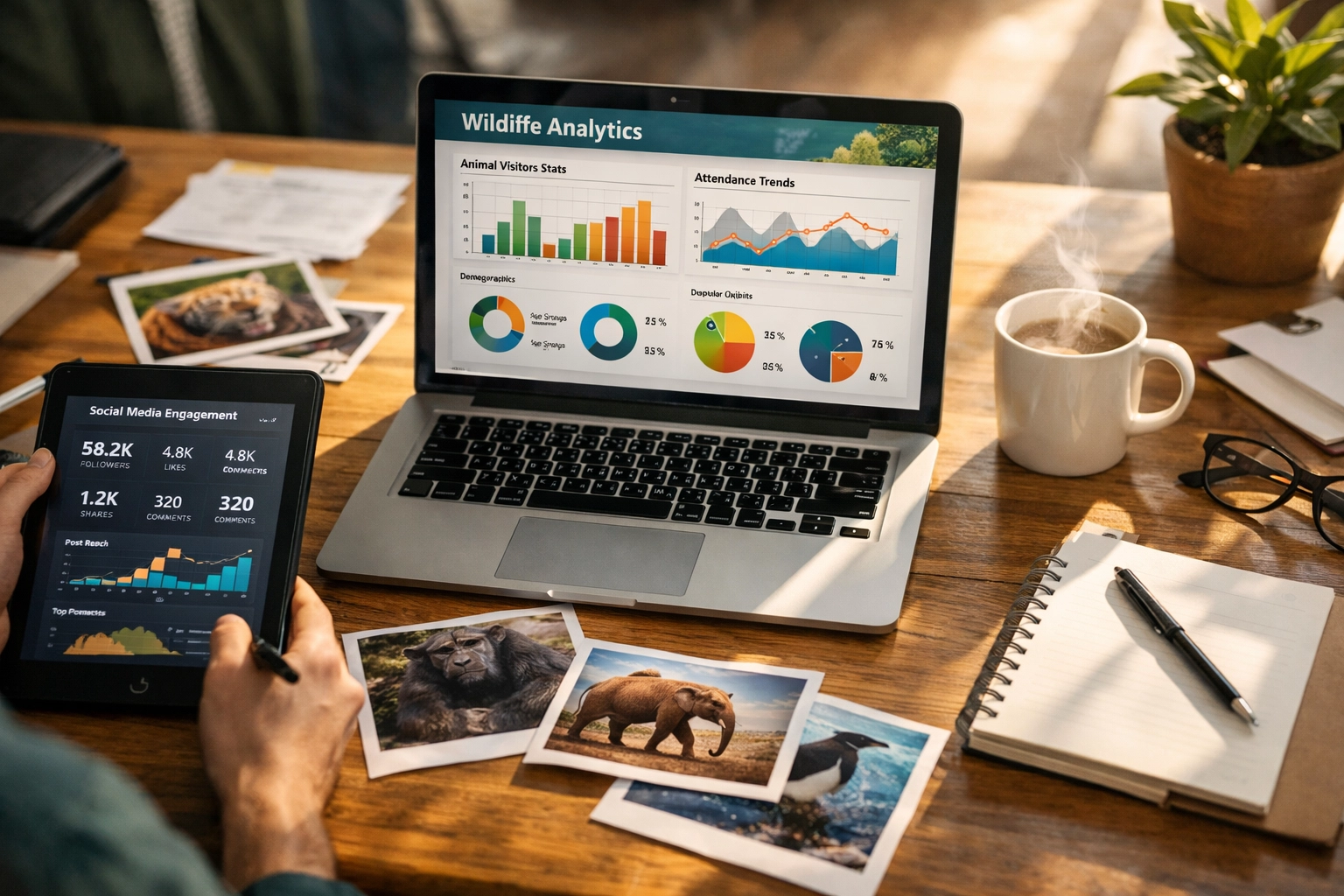
Three Trends Reshaping How Zoos Market Themselves
Authentic Storytelling Wins
Generic animal facts aren't enough. The zoos and aquariums winning attention right now tell stories:
- Where the animal came from
- Why conservation efforts exist
- How visitor support makes a difference
- The real people behind the scenes
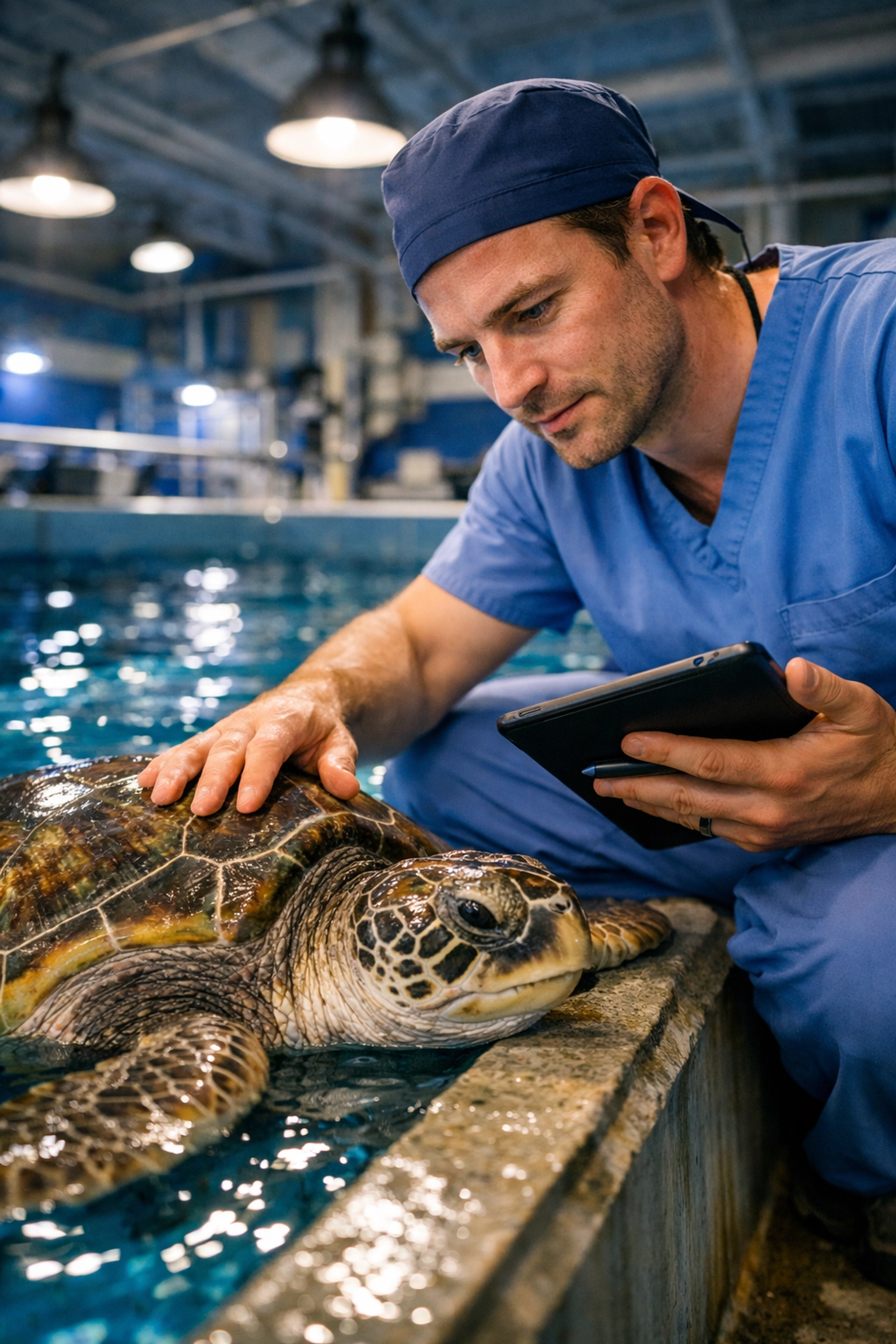
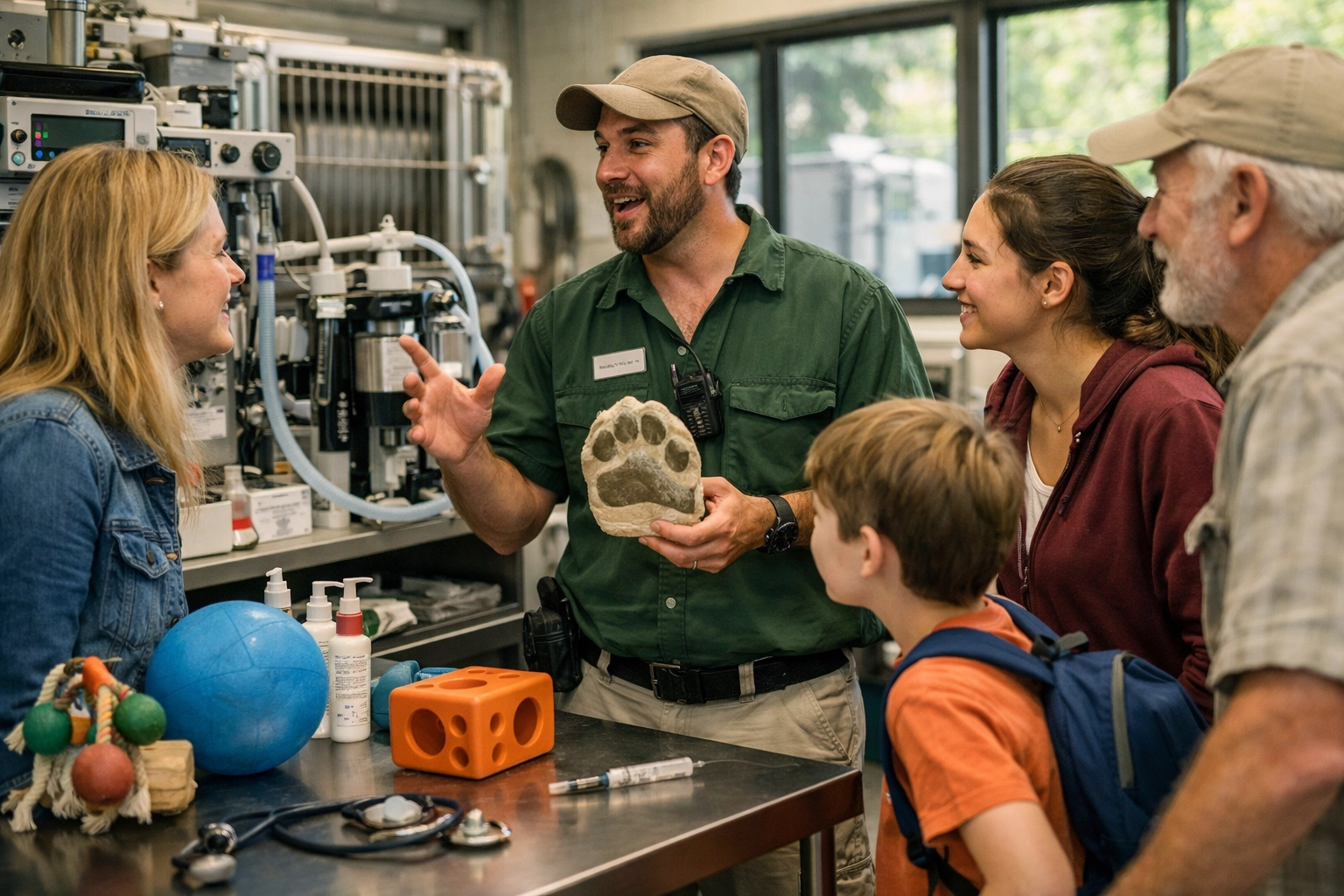
Skip the promotional language. Show the work. Your marine biologist caring for a rescued sea turtle. Your team monitoring nocturnal species behavior. The partnership with local habitat restoration programs.
People share these stories. They remember them. They come back because of them.
Experience Over Everything
Virtual tours and live animal cams saw massive adoption during recent years. They're not temporary fixes: they're permanent expectations.
Smart facilities now offer:
- Behind-the-scenes live streams
- Interactive feeding time broadcasts
- Wildlife tracking updates via mobile apps
- Photography workshops with actual animal encounters
The key: Make it feel exclusive without being expensive. Let visitors participate in ways that matter.
Responsibility Isn't Optional
Here's the reality: Modern visitors research your conservation practices before buying tickets.
They check:
- Your breeding program transparency
- Habitat improvement investments
- Partnerships with wildlife organizations
- Education program impact
You don't need buzzwords. You need proof.
Show your water conservation numbers. Share your endangered species protection work. Document your habitat expansion projects.
The facilities succeeding right now publish this information openly. No fluff. Just facts.
Social Media That Actually Works
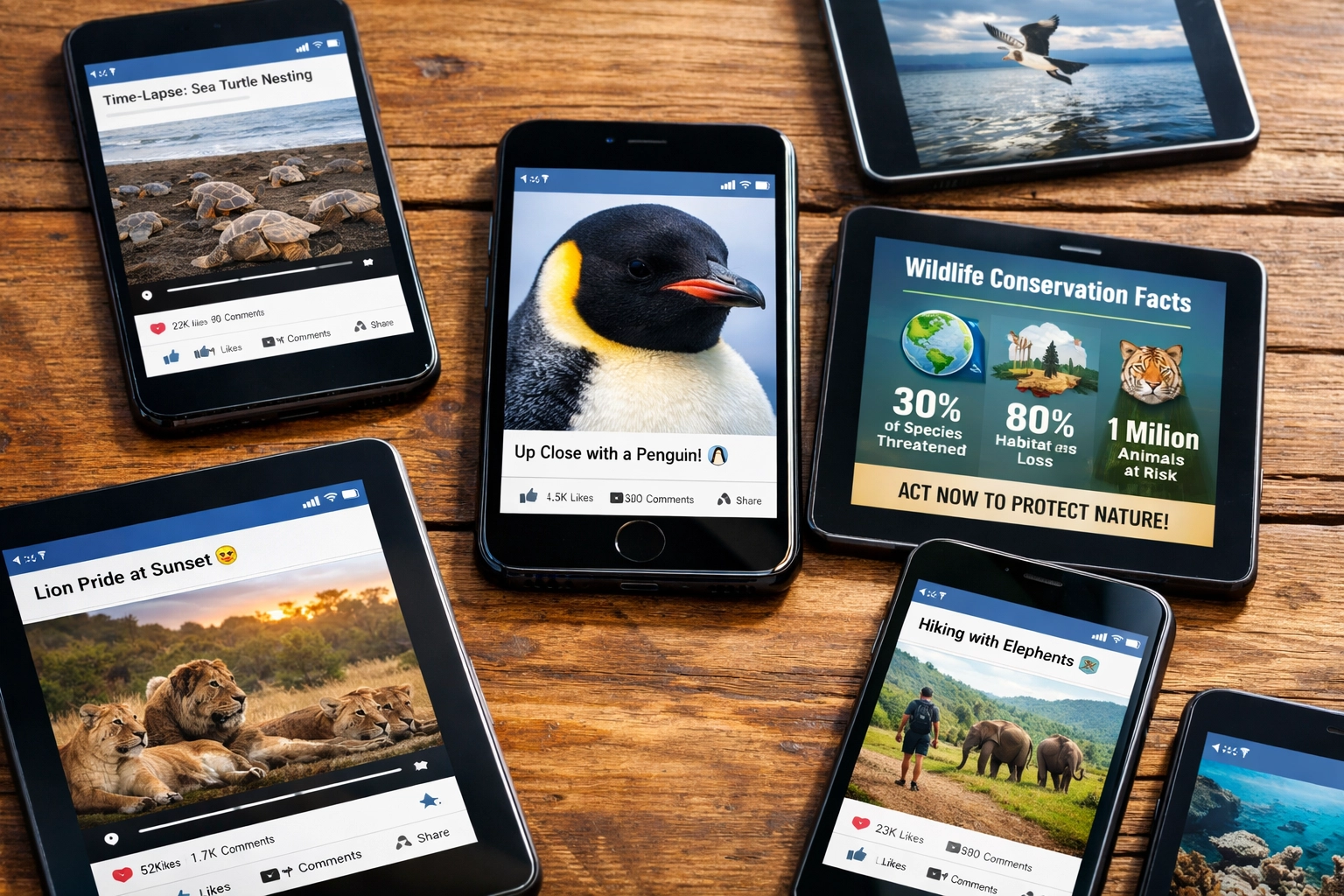
Wildlife content dominates social platforms. But not all content performs equally.
What works:
Short video clips of animal behavior (15-30 seconds). No narration needed. Let the animals be interesting on their own.
Before/after conservation stories. Show the rescued animal when it arrived. Show it thriving now. People want to see their support working.
Staff spotlights. Your keepers, veterinarians, and researchers are more interesting than you think. Let them explain their work in their own words.
What doesn't work:
Overly produced marketing videos. Long explanatory captions. Posting only during operating hours.
Wildlife moments happen all day. Share them when they happen.
The Photography Opportunity
Wildlife photography experiences are becoming significant revenue drivers. Not through ticket sales: through creating content worth sharing.
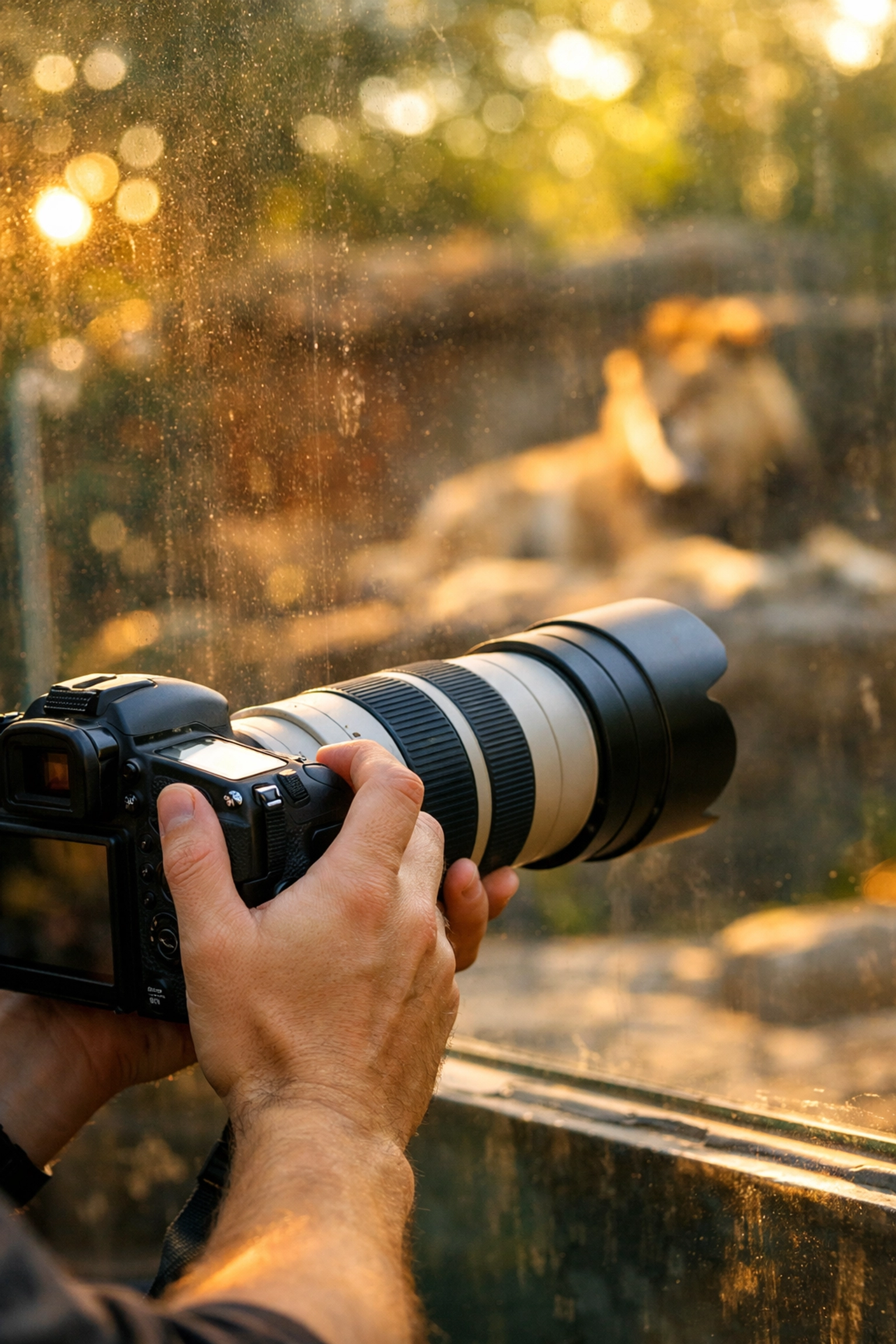
Visitors take thousands of photos at your facility. Most are mediocre phone shots through glass. But some visitors want better.
Consider:
- Early morning photography sessions before opening
- Dedicated viewing areas designed for camera equipment
- Partnership content with local photographers
- Species-specific photo workshops
When visitors capture great shots at your facility, they share them. Tag your location. Bring their networks into your marketing orbit.
High-quality wildlife imagery drives interest. Make it easy for your visitors to create it.
What Aquariums Are Doing Differently
Marine facilities are seeing particularly strong growth. Why?
Ocean conservation messaging resonates. Climate impact. Plastic pollution. Habitat loss. These topics connect with younger demographics who want their entertainment to mean something.
Successful aquariums frame every exhibit through conservation. Not as an afterthought. As the primary story.
The jellyfish exhibit isn't just beautiful. It's a chance to discuss ocean acidification.
The coral reef display isn't just colorful. It's documentation of ecosystems under threat.
Your visitors want to feel their admission supports something larger. Show them exactly what.
Technology Integration Done Right
Wildlife tracking technology isn't just for research anymore. It's a marketing tool.
GPS tracking on migratory species. Real-time location updates for roaming animals in larger habitats. Movement pattern data visualization.
This information engages visitors before they arrive and keeps them connected after they leave.
One zoo's penguin tracking app generated more social media engagement than their entire previous year's content. Why? Because it gave visitors a reason to check in daily.
Technology works when it creates ongoing connection, not one-time novelty.
The Geographic Element
North America dominates wildlife tourism spending. But Asia Pacific facilities are investing heavily in eco-tourism infrastructure.
What this means: Competition for attention is global now. Your facility competes with wildlife experiences worldwide: not just locally.
Your marketing needs to emphasize what makes your location unique. Native species. Regional conservation challenges. Local ecosystem stories.
Don't try to compete with African safaris or Amazon expeditions. Highlight what visitors can only experience in your specific area.
Making It Actionable
Here's what you can implement this week:
Monday: Audit your social media. Count how many posts show real conservation work versus generic animal photos. Adjust the ratio.
Tuesday: Review your mobile experience. Can visitors access live cams? Track animal locations? Get real-time updates?
Wednesday: Document one behind-the-scenes conservation activity. Film it. Post it. No script needed.
Thursday: Talk to your staff. Ask what stories they wish visitors knew. Start planning content around those stories.
Friday: Check your website. Does it clearly explain your conservation partnerships? Update it.
Small consistent changes create bigger results than occasional large campaigns.
Moving Forward
The wildlife marketing landscape rewards authenticity and transparency. Visitors support facilities that respect their intelligence and share real information.
Strip away the promotional language. Show the actual work. Let your conservation efforts speak.
Your facility has stories worth telling. Tell them simply and honestly.
Need better visual content for your marketing? Visit zooimagery.com for wildlife photography that actually connects with your audience. Or follow our LinkedIn for daily insights on wildlife marketing that works.
Tomorrow's briefing covers visitor engagement strategies that drive repeat visits.


