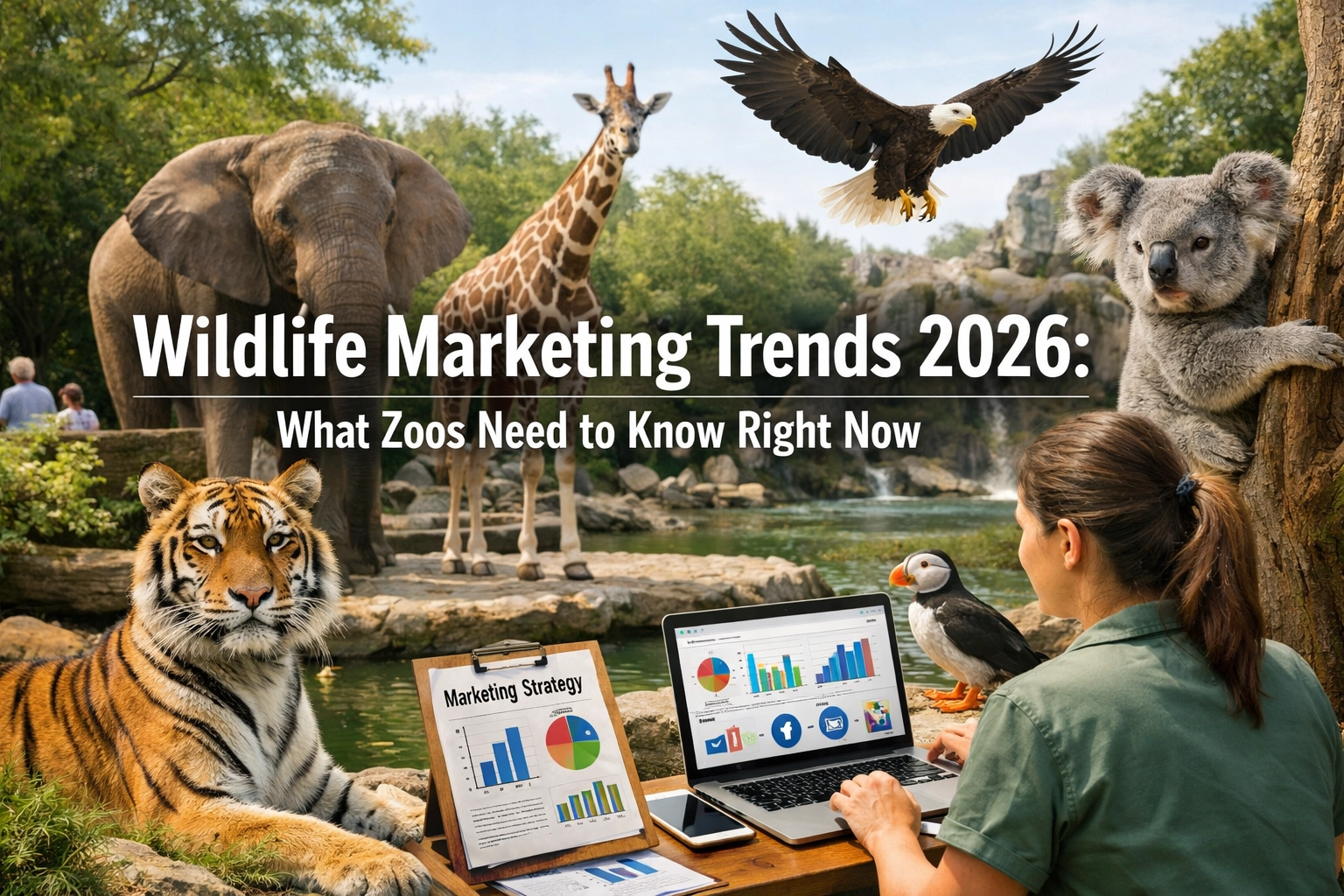
Wildlife Marketing Trends 2026: What Zoos Need to Know Right Now
Marketing your zoo or aquarium isn't what it used to be.
Visitors want more than ticket deals. They want to know what you stand for. They want real stories about real animals. And they're tired of empty promises wrapped in corporate speak.
Here's what's working in 2026.
Real Photography Still Wins
Stock photos feel fake. Visitors can spot them instantly.
Your actual animals have stories. Show them.
A single portrait of your resident tiger tells more than a dozen generic wildlife shots ever could. Those close-up images: the ones where you can see personality in the eyes: those convert browsers into visitors.
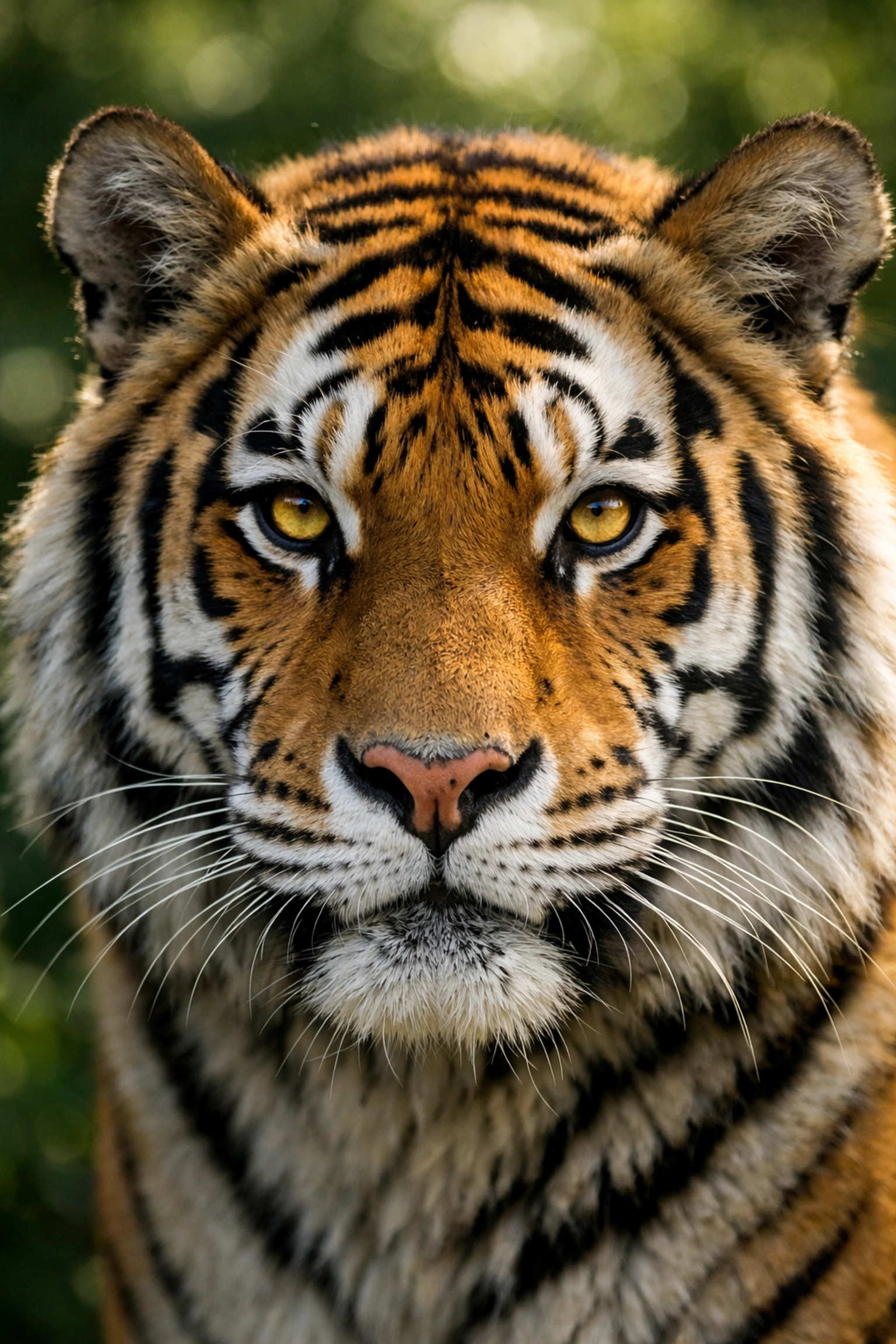
Take the time to shoot your own animals properly:
- Natural light when possible
- Focus on individual personalities
- Capture behavior, not just poses
- Mix portraits and landscapes
Your marketing team doesn't need a Hollywood budget. They need patience and a decent camera.
Sponsored Species Pages Are Evolving
The "Presented by Local Business" model isn't new. What's changed is how visitors interact with it.
2026 visitors expect these partnerships to mean something. They want to see:
- Where the funding actually goes
- What changed because of the sponsorship
- Updates on the specific animals involved
- Behind-the-scenes access to care
A tiger page with a local bank logo at the bottom? That's 2019.
A tiger page showing how that partnership funded a new habitat enrichment program, with photos of the actual improvements? That's what works now.
Make your corporate sponsors part of the conservation story. Not just a logo placement.
Conservation Storytelling Without the Jargon
People care about animals. They don't care about your "multi-stakeholder biodiversity framework."
Tell simple stories:
- This penguin had a health issue. Here's what we did.
- Our breeding program hit a milestone. Here's why it matters.
- We changed how we feed the elephants. They're noticeably happier.
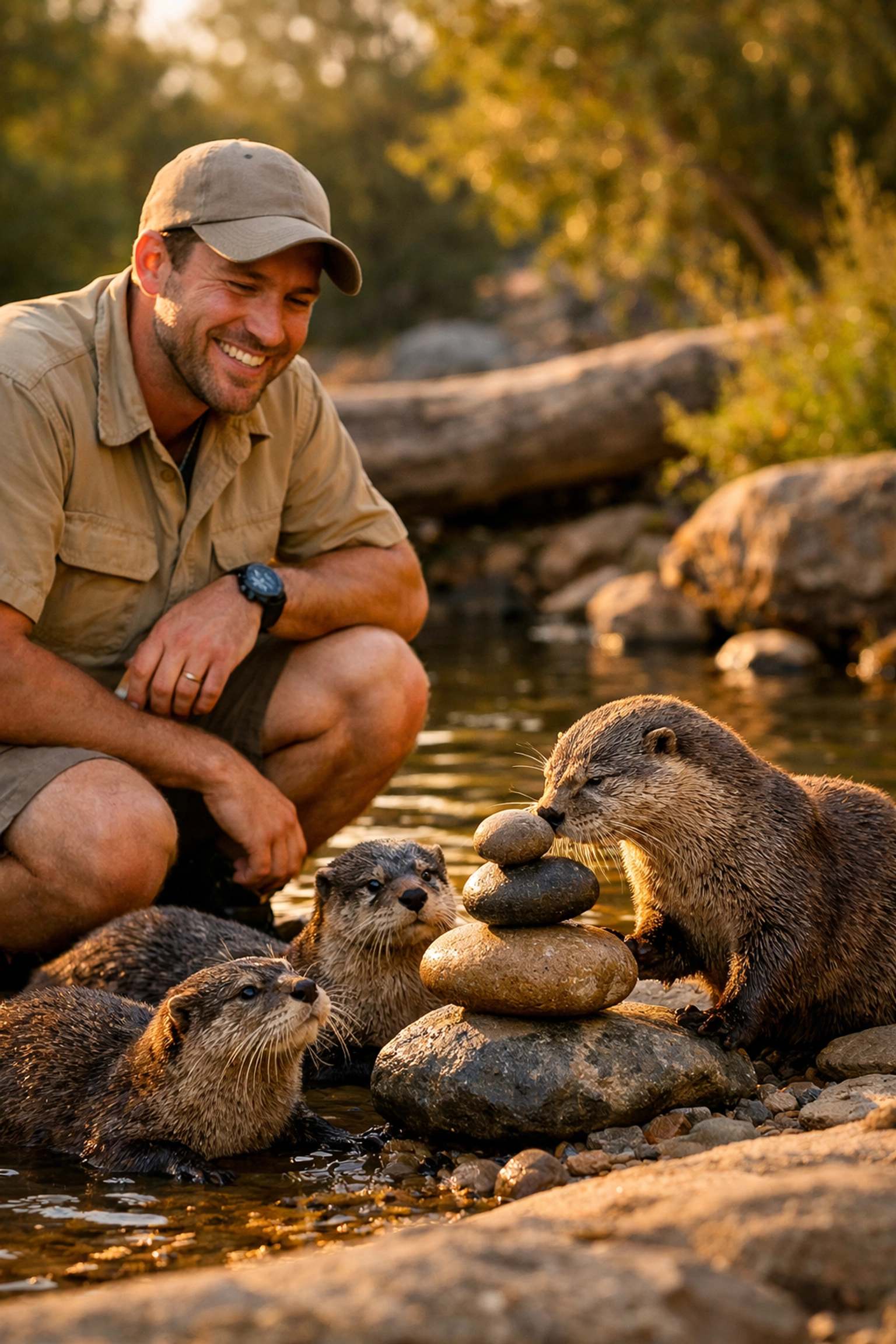
Drop the academic language. Drop the committee-approved messaging. Just tell people what you're actually doing and why it helps.
Share updates regularly. Not quarterly press releases: actual updates that show progress and setbacks. Visitors connect with authenticity, not perfection.
Your social media should feel like field notes, not a textbook.
The ESG Conversation Has Changed
Every company claims they're sustainable now. The word means nothing.
Show the work instead:
- Water conservation numbers from last year vs this year
- Energy use broken down by facility
- Where your animal food comes from
- How you handle waste
Stop saying you "care about the environment." Every zoo says that.
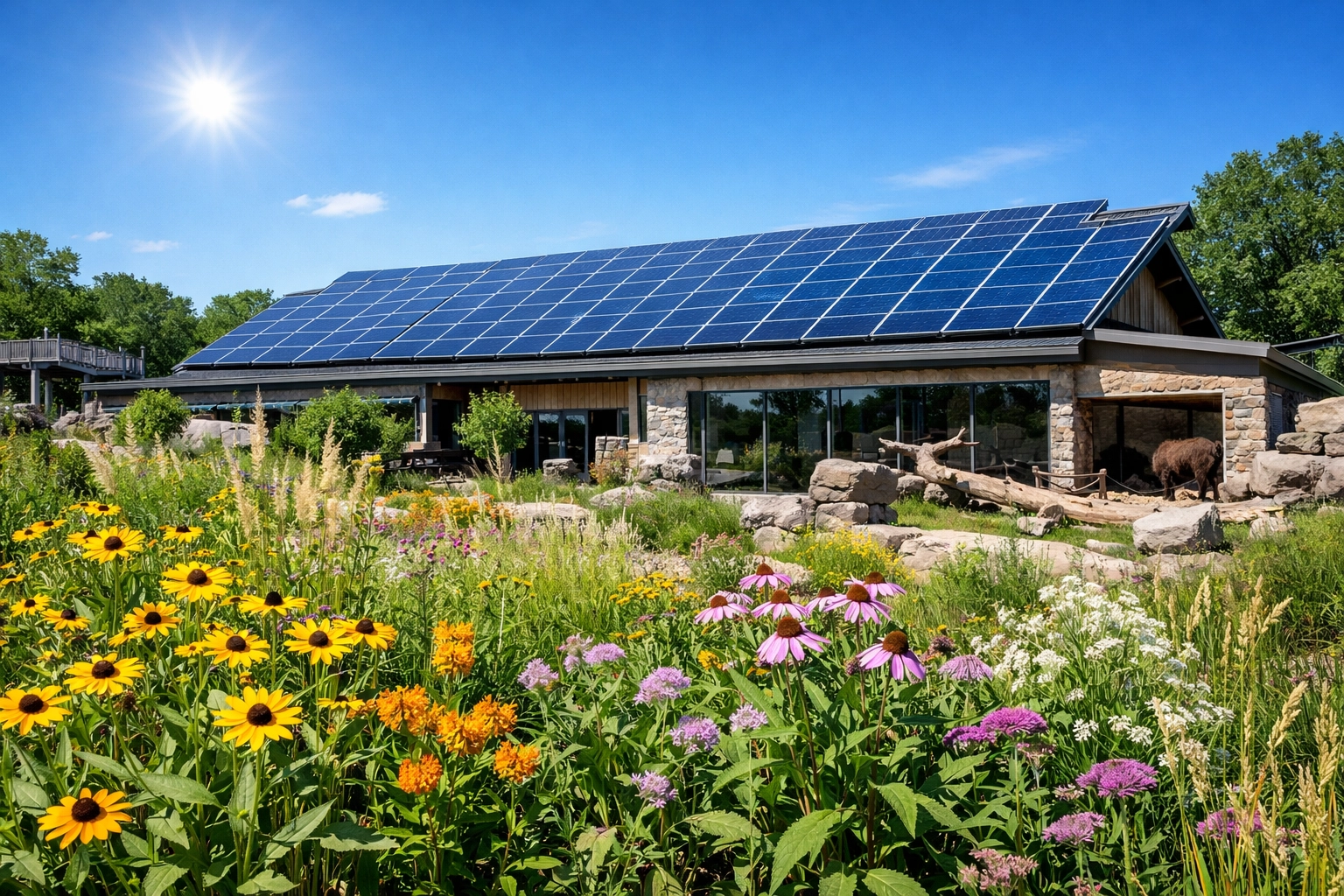
Show receipts. Post photos of your solar panels. Share your composting process. Document your native plant restoration areas.
Environmental responsibility isn't a marketing angle anymore. It's baseline expectation. The zoos that stand out are the ones showing measurable progress on specific initiatives.
And here's the thing: you don't need to be perfect. You need to be transparent about what you're working on and where you're headed.
Video Content Is Non-Negotiable
If you're not posting video in 2026, you're invisible.
Not polished documentary footage. Quick clips:
- Feeding time
- Training sessions
- Baby animal check-ups
- Keeper commentary
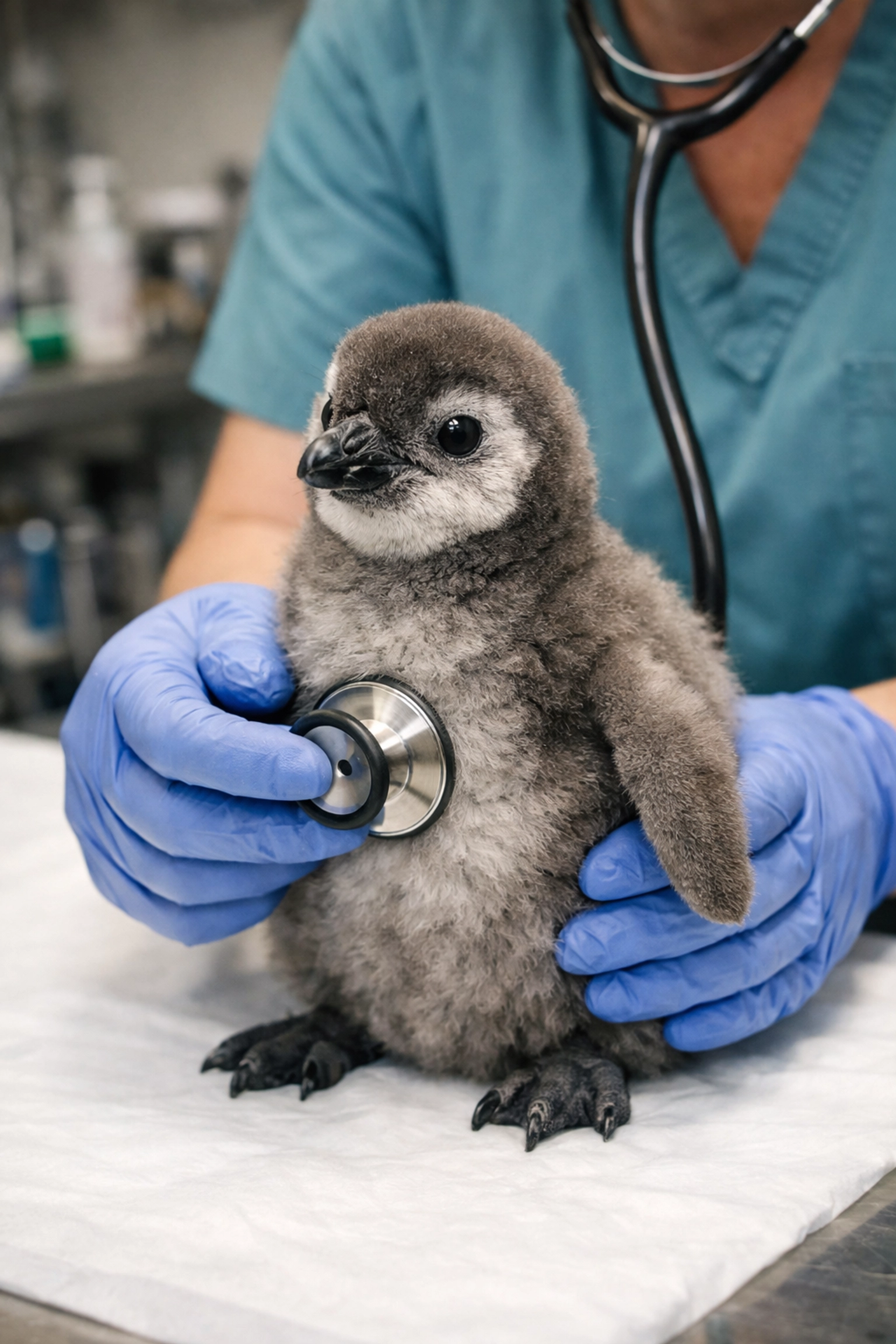
Thirty seconds of a keeper explaining why the otters are stacking rocks beats any scripted promotional video.
Your phone camera is good enough. Your keepers are interesting enough. Just hit record.
Post to Instagram, TikTok, YouTube Shorts, wherever your audience lives. Consistency matters more than production value.
Three rough videos per week outperform one professional video per month. Every time.
Member Engagement Needs Rethinking
Membership drives used to focus on benefits. Free parking. Gift shop discounts. Guest passes.
That still matters. But 2026 members want connection.
They want to feel like insiders:
- Early access to news about specific animals
- Invitations to member-only keeper talks
- Updates when "their" sponsored animal hits a milestone
- Input on naming new arrivals
Create a members-only LinkedIn group or email list. Share content there first. Make them feel like they're part of the team.
Give them stories to share. When a member can tell their friends about the penguin chick they got to name, that's marketing you can't buy.
Educational Content That Actually Educates
Blog posts titled "10 Fun Facts About Giraffes" don't cut it anymore.
Go deeper:
- How your veterinary team diagnosed a rare condition
- Why your nocturnal house uses specific red lighting
- The training process for voluntary blood draws
- How you're adapting habitats for climate change
People want to learn. Give them real information. Explain the "why" behind what you do.
This positions your zoo as an authority. Not just a place with animals, but a place where experts work daily to understand and improve animal welfare.
Educational content also performs exceptionally well for search visibility. When someone googles "why do flamingos stand on one leg," your detailed article with real photos from your facility should be the answer.
Digital Advertising Has Shifted
Blasting "Buy tickets now!" ads to everyone within 50 miles doesn't work.
Target specific interests:
- Parents looking for educational activities
- Photography enthusiasts
- Conservation-minded young adults
- School field trip coordinators
Each group needs different messaging and different imagery.
The photography community wants to know your best shooting locations and lighting times. Parents want to know about stroller accessibility and shaded rest areas.
One ad campaign doesn't work for everyone. Segment your audience. Customize your message.
Partnerships Beyond Corporate Logos
Look for alignment, not just funding.
A camera company partnership makes sense for zoo photography workshops. A conservation nonprofit partnership creates authentic storytelling opportunities. A university research partnership adds scientific credibility.
These relationships generate content: joint blog posts, shared social media, co-hosted events.
The best partnerships create value beyond the check. They open doors to new audiences and add legitimacy to your conservation messaging.
What To Do Monday Morning
Don't try to overhaul everything at once.
Start here:
- Audit your current animal photos: are they actually good?
- Pick one species for a detailed conservation story
- Schedule 15 minutes daily for social video content
- Review your sponsored species pages for authenticity
Small, consistent improvements beat ambitious plans that never launch.
The Bottom Line
Wildlife marketing in 2026 rewards transparency, consistency, and authenticity.
Stop hiding behind corporate messaging. Show your work. Share your expertise. Trust your audience to care about what you're actually doing.
Your animals are already interesting. Your team is already knowledgeable. Your conservation work already matters.
Just show it. Simply and regularly.
Ready to upgrade your zoo's visual content? Visit zooimagery.com to see how professional wildlife photography can transform your marketing: or connect with us on LinkedIn for regular insights on zoo marketing and conservation storytelling.


