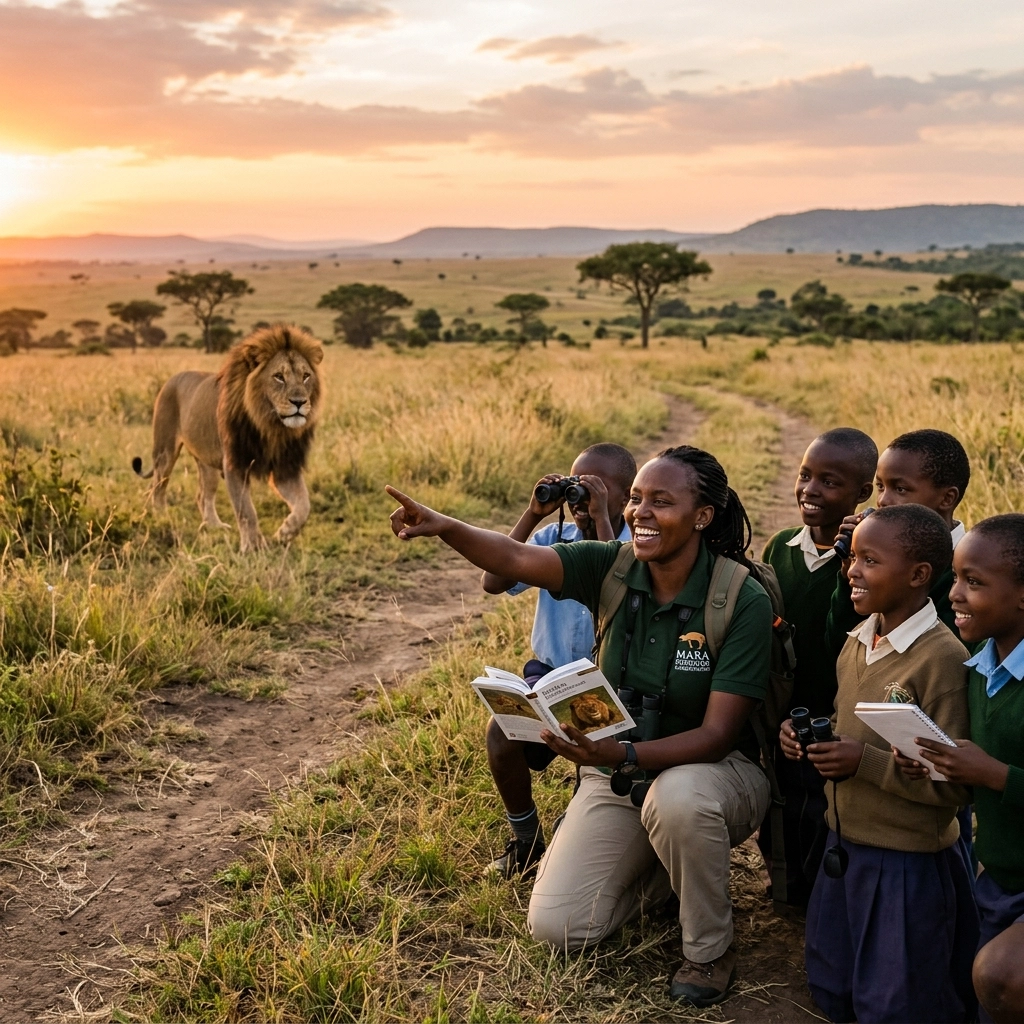
Wildlife Conservation Matters: Why Daily Species Spotlights Drive Real Engagement
Awareness is the first step toward action. In the world of wildlife conservation, distance is the enemy. Most people will never see a wild lion or a polar bear in its natural habitat. This distance creates a gap in understanding.
Daily species spotlights bridge that gap.
At Zoo Imagery, we provide the visual tools to tell these stories. We believe that seeing an animal clearly changes how people think about it. High-quality imagery moves a species from a statistic to a living being.
Why Daily Consistency Works
Frequency matters. A single post about conservation is easily forgotten. A daily rhythm builds a habit.
- Routine. Daily spotlights create a reliable source of information.
- Breadth. Most people know about "the big five." Daily posts introduce lesser-known species.
- Momentum. Small daily interactions lead to long-term advocacy.
Knowledge breeds empathy. Empathy leads to action. When people learn a new fact every day, their connection to the natural world grows.
The Power of the Image
Words describe. Images connect.
Stock photography in the conservation space isn't just about decoration. It is about documentation and representation. A clear photo of a hyena can dispel myths. A crisp shot of a giraffe highlights its unique patterns.

Our library is built to support this mission. We provide the media that conservationists, educators, and brands need to communicate effectively.
Spotlight: The Misunderstood Hyena
Hyenas are often portrayed as villains. They are seen as scavengers and thieves. The reality is different.
- Social Structure. Spotted hyenas live in complex, matriarchal societies.
- Hunters. They are highly skilled hunters, not just scavengers.
- Intelligence. Their problem-solving skills are comparable to some primates.
By spotlighting hyenas through daily content, we replace myths with facts. We use visual storytelling to show their strength and social bonds. This changes the narrative.

Spotlight: The Silent Extinction of Giraffes
Everyone knows what a giraffe looks like. Few realize they are in trouble. This is the "silent extinction."
- Population Decline. Giraffe numbers have dropped significantly over the last 30 years.
- Habitat Loss. Fragmentation is the primary threat.
- Diversity. There are multiple species and subspecies of giraffes, each with distinct needs.
Using giraffe imagery in a daily spotlight keeps this urgent issue at the forefront. It reminds the public that even familiar animals need our help.

Driving Real Engagement
What does "real engagement" look like? It is more than a like or a share.
- Retention. Users return daily to see the next species.
- Education. People learn specific conservation challenges, like poaching or climate change.
- Advocacy. Informed users are more likely to support conservation organizations.
- Behavioral Change. Awareness leads to better choices regarding sustainable products and travel.
At Zoo Imagery, we track how our media is used to drive these results. We see the impact of lions and elephants in educational campaigns. These animals act as ambassadors for their entire ecosystems.
Company Milestones
Zoo Imagery continues to expand. Our goal is to host the most comprehensive library of digital media for the zoo and aquarium industry.
- Expanded Categories. We are adding more specialized categories for researchers.
- New Partnerships. We are working with more conservation groups to provide them with high-end visuals.
- Platform Updates. Improving the user experience for our contributors and clients.
Under the leadership of Dan Kost, we focus on quality. We don't just want more photos. We want the best photos. Photos that tell a story. Photos that make people stop scrolling.
The Science of Empathy
Psychology plays a role in conservation. Humans are wired to respond to faces and eyes. This is why a portrait of a primate or a big cat is so effective.
Daily spotlights leverage this. They provide a steady stream of "personable" wildlife content. This humanizes the animal world without anthropomorphizing it. It respects the animal's nature while making it relatable to the human viewer.

Supporting ESG Initiatives
Companies today are looking for ways to align with environmental goals. Species spotlights offer a clear path.
- Transparency. Use real imagery of actual conservation projects.
- Storytelling. Move away from corporate jargon. Focus on the animals.
- Alignment. Connect a brand's mission to a specific species.
Brands can use our stock library to fuel these campaigns. Authentic imagery builds trust with an audience that is increasingly wary of "greenwashing."
The Impact of Education
Education is the long game. Daily spotlights are a form of micro-learning.
- Accessibility. Simple facts are easy to digest.
- Inspiration. High-quality visuals inspire the next generation of biologists.
- Connectivity. Spotlights show how species are interconnected within an ecosystem.
When we spotlight birds, we talk about seed dispersal. When we spotlight polar bears, we talk about sea ice. The animal is the entry point. The ecosystem is the lesson.
How to Get Involved
Engagement is a two-way street. We encourage our community to stay active.
- Follow Along. Check our daily updates for new species features.
- Use the Media. If you are a creator, use high-quality imagery to tell better stories.
- Share Knowledge. Pass on the facts you learn.
Conservation is a collective effort. It requires scientists, photographers, and the general public working together. Daily species spotlights are the heartbeat of this collaboration. They keep the conversation alive. They ensure that wildlife conservation remains a priority, not an afterthought.
Looking Forward
The digital landscape is crowded. To stand out, conservation messaging must be visual, consistent, and authentic.
Zoo Imagery is committed to this path. We will continue to document the beauty and the struggle of the natural world. Our milestones are tied to the success of the species we represent.
Every photo is an opportunity. Every spotlight is a chance to make a difference.
For more information on our latest species spotlights and to browse our digital media library, visit our website.
Visit us: zooimagery.com
Connect with us: LinkedIn


